
2HR Aquarist · Starter and bacteria
APT Balance
New aquasoil tanks during cycling, or after a big rescape or filter clean.
1 model

Gear catalogue · 20 fertilisers & treatments
Liquid fertilisers, root tabs, remineralisers, starter bacteria and algae treatments. From 2HR Aquarist, ADA. Match them to your tank, then put up to four side by side.
Plants need three things in balance: light, CO2 and nutrients. Fertilisers cover the nutrients. Most tanks do best with one all-in-one liquid dosed a little and often, plus root tabs pushed under heavy root feeders like swords and crypts. Aquasoil feeds roots for its first year or so, but the water column still needs topping up. How much you dose depends on how fast the tank grows: a low-light tank without CO2 needs very little, while a high-light CO2 tank can use far more. If you start from RO water, a remineraliser puts back the calcium and magnesium plants and shrimp need. Treatments like spot algae removers and dechlorinators are here too, because they sit on the same shelf and solve the same problems. When plants show a specific symptom, check the deficiency guide before reaching for a single-nutrient bottle.
2HR Aquarist · Starter and bacteria
New aquasoil tanks during cycling, or after a big rescape or filter clean.

2HR Aquarist · Foliar spray
The dry-start phase of a carpet, and emersed mosses and plants above the waterline.

2HR Aquarist · Nutrient aquasoil
New planted tanks and soft-water shrimp setups that want a feeding substrate from day one.

2HR Aquarist · Algae treatment
Planted tanks with patches of black beard algae or hair algae on hardscape and slow plants.

2HR Aquarist · Algae treatment
Moss-heavy and delicate-plant tanks that still need to tackle algae.
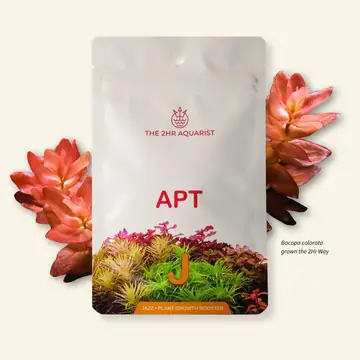
2HR Aquarist · Root feed
Swords, crypts, lilies and other heavy root feeders, especially in older aquasoil or inert gravel.

2HR Aquarist · Water conditioner
Anyone doing water changes with tap water.
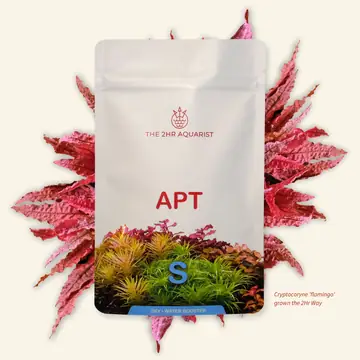
2HR Aquarist · Remineraliser
Soft-water planted tanks and Caridina shrimp tanks started from RO water.
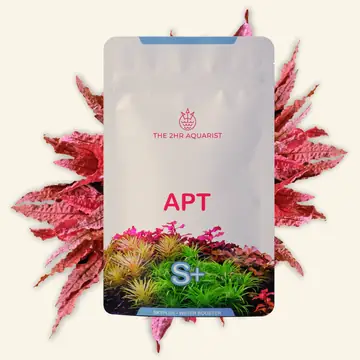
2HR Aquarist · Remineraliser
RO-water tanks keeping Neocaridina shrimp or plants that prefer a little buffering.

2HR Aquarist · Starter and bacteria
Brand-new tanks at the planting stage, before the tank is flooded or filled.

2HR Aquarist · Micro and trace
Well-stocked tanks where nitrate already reads high, or where you dose nitrogen separately.

2HR Aquarist · All-in-one liquid
CO2-injected planted tanks with an average fish load that want one simple fertiliser.

2HR Aquarist · All-in-one liquid
Fast-growing, high-light CO2 tanks where you do a large water change every week.
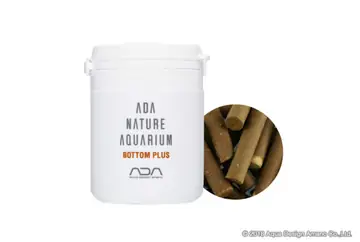
ADA · Root feed
Swords, crypts, vallisneria and other root feeders, especially in older or inert substrate.
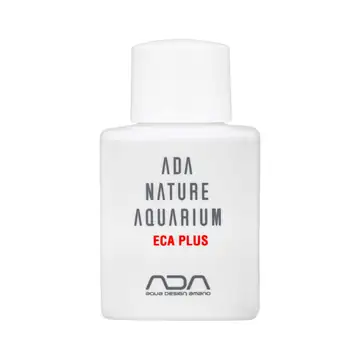
ADA · Single nutrient
Tanks where new growth has gone pale or yellow from an iron shortage.

ADA · Single nutrient
Fast-growing and red plants showing pale new growth from low iron.

ADA · Micro and trace
Planted tanks of any tech level that need trace elements topped up.

ADA · Single nutrient
Tanks with pinholes in older leaves from low potassium, especially with hard tap water.

ADA · Single nutrient
Heavily planted, lightly stocked tanks where older leaves yellow from low nitrogen.
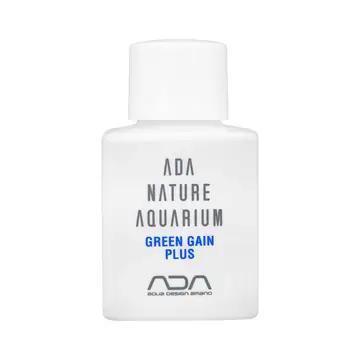
ADA · Supplement
Freshly trimmed or newly planted tanks where you want faster regrowth of new shoots.
Straight answers to the questions people ask most when choosing aquarium fertilisers & treatments.
Almost always, eventually. Fish waste and aquasoil cover some needs at first, but as plants grow they use up nitrogen, potassium, iron and trace elements. A light, regular dose of an all-in-one liquid keeps growth steady and stops deficiencies before they show.
Macros are the nutrients plants use in larger amounts: nitrogen, phosphorus and potassium. Micros and trace elements, such as iron, manganese and boron, are needed in tiny amounts but are just as essential. All-in-one fertilisers contain both.
Rarely on its own. Algae usually comes from too much light for the amount of CO2 and nutrients, or from a nutrient running out. Dose to match your light, keep the photoperiod steady and do regular water changes, and fertiliser helps plants outcompete algae.
Mainstream aquarium fertilisers are generally shrimp safe at normal doses, but avoid products with added copper and introduce any new fertiliser slowly. Shrimp tanks usually need lighter dosing anyway.
Specs come from the maker or a major retailer’s listing and are checked where we can. Makers revise products, so confirm the figures on the product page before you buy. Product photos are supplied by the brands and their distributors.