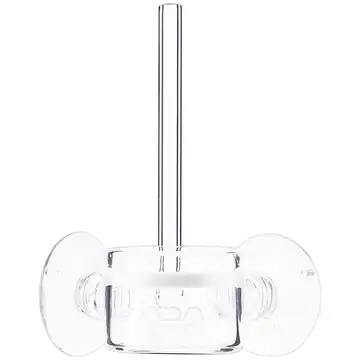
ADA · Diffuser
Pollen Glass Beetle
Pressurised CO2 tanks where you want a neat, nearly invisible diffuser and are happy to clean glass now and then.
3 models

Gear catalogue · 19 co2
Regulators, diffusers, drop checkers and complete kits. From ADA, Qanvee, Twinstar, UNS. Match them to your tank, then put up to four side by side.
Pressurised CO2 is the single biggest upgrade for plant growth, and the parts are simpler than they look: a cylinder holds the gas, a regulator drops the pressure and a solenoid turns it off at night, a needle valve and bubble counter let you set the rate, and a diffuser or reactor dissolves it into the water. A drop checker then tells you roughly how much is in the tank. Dual-stage regulators hold a steadier output as the cylinder empties, which avoids the dreaded end-of-tank dump. Match the diffuser to your tank size, or go inline on the canister outlet for a cleaner look. Always put a check valve between the tank and the regulator.
ADA · Diffuser
Pressurised CO2 tanks where you want a neat, nearly invisible diffuser and are happy to clean glass now and then.
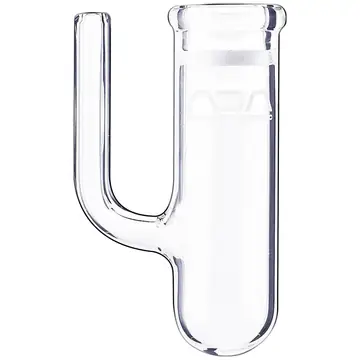
ADA · Diffuser
Small to medium pressurised CO2 tanks where an upright glass diffuser suits the look.
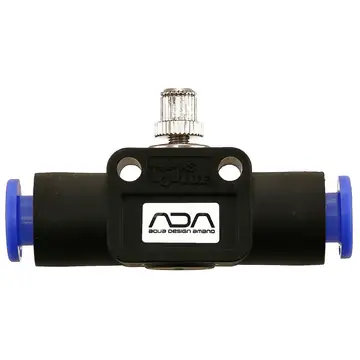
ADA · Regulator
Keepers running pressurised CO2 who want finer adjustment than their regulator gives, or split lines to two tanks.
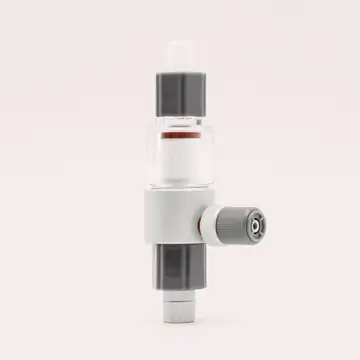
Qanvee · Diffuser
Planted tanks with a canister filter, especially 190 L and up, where you want hidden CO2 hardware.
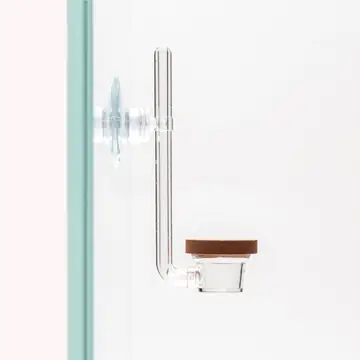
Twinstar · Diffuser
Small to large planted tanks where you want a tough, tidy in-tank diffuser with the bubble counter included.

UNS · Cylinder
Anyone running a Pro or Mini regulator who wants the lowest running cost per fill.
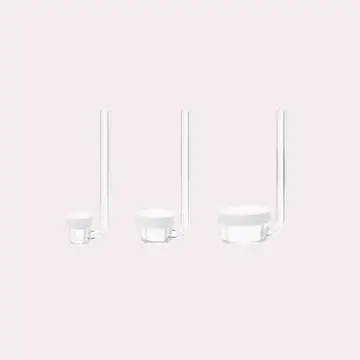
UNS · Diffuser
Any pressurised CO2 tank where you want a simple, low-cost in-tank diffuser.

UNS · Cylinder
Small to medium tanks where a full-size cylinder will not fit in the cabinet.
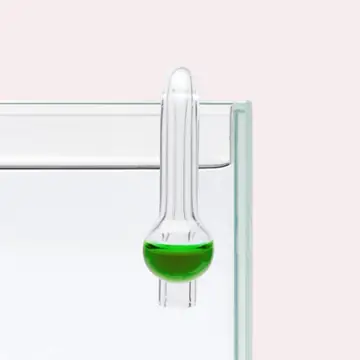
UNS · Drop checker
Anyone running pressurised CO2 who wants a simple visual check.
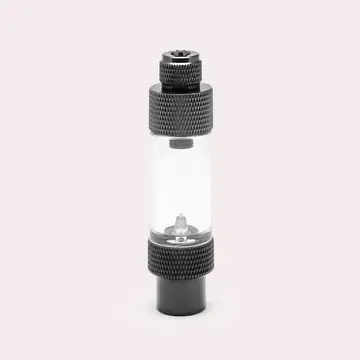
UNS · Bubble counter
Fine-tuning bubble rate on any UNS regulator, or as a spare.
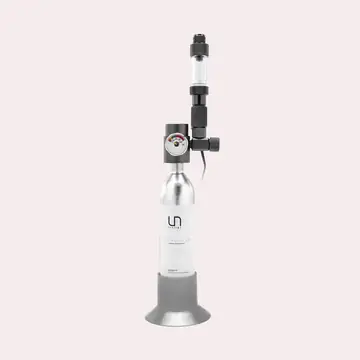
UNS · Complete kit
Nano and desktop planted tanks where you want timed, pressurised CO2 on a small budget.
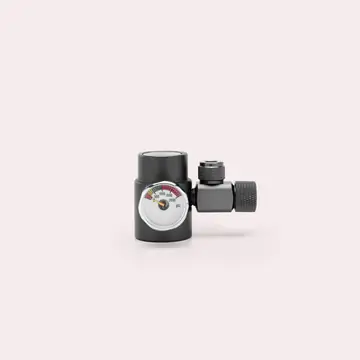
UNS · Regulator
Desktop nanos where every centimetre of space around the tank counts.
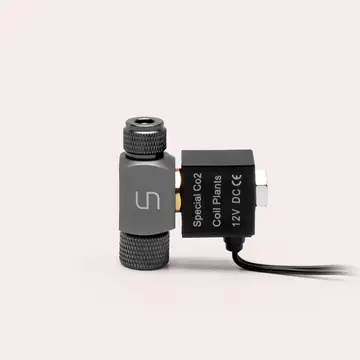
UNS · Regulator
Anyone already running the Micro regulator who wants CO2 on a schedule.
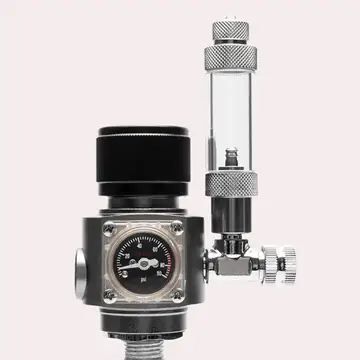
UNS · Regulator
Nano and small tanks, especially if you might switch from cartridges to a refillable cylinder later.
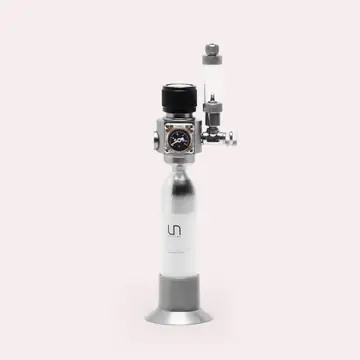
UNS · Complete kit
Tanks of roughly 4 to 40 litres where you want dual-stage stability without a large cylinder.
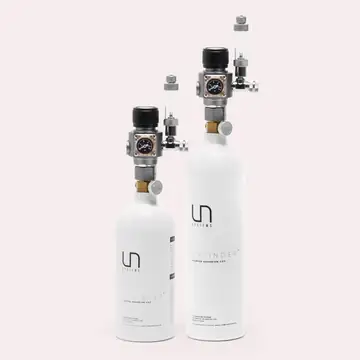
UNS · Complete kit
Small to medium planted tanks where cartridges run out too fast but a full-size cylinder will not fit.
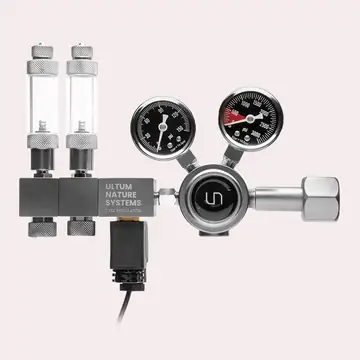
UNS · Regulator
Medium to large planted tanks and fish rooms running refillable cylinders.
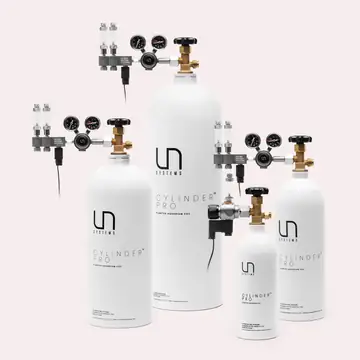
UNS · Complete kit
Medium to large high-tech tanks, or several tanks fed from one cylinder.
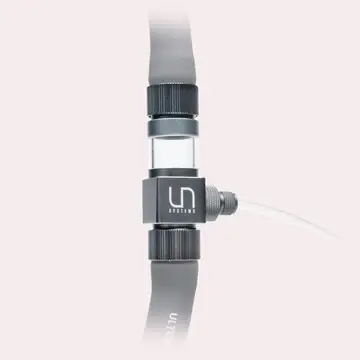
UNS · Diffuser
Canister-filtered CO2 tanks where you want a clean, equipment-free look inside the glass.
Straight answers to the questions people ask most when choosing aquarium co2.
No, plenty of beautiful tanks run without it on low-light plants. You need CO2 when you want high light, dense carpets or demanding red stems. Without it, strong light mostly grows algae.
Dual-stage if you can. A single-stage regulator can release a burst of gas as the cylinder runs low, which can gas fish overnight. Dual-stage holds a steady output right to the end.
One rated for your tank volume, placed low near the filter outlet so the mist circulates. On larger tanks an inline diffuser or reactor on the canister outlet dissolves more gas and keeps the glass clear.
Use a drop checker with 4 dKH reference solution. Blue means too little, lime green is about right (around 30 ppm) and yellow means too much. Watch the fish as well: gasping at the surface means turn it down.
Specs come from the maker or a major retailer’s listing and are checked where we can. Makers revise products, so confirm the figures on the product page before you buy. Product photos are supplied by the brands and their distributors.