Fin & Stem logo
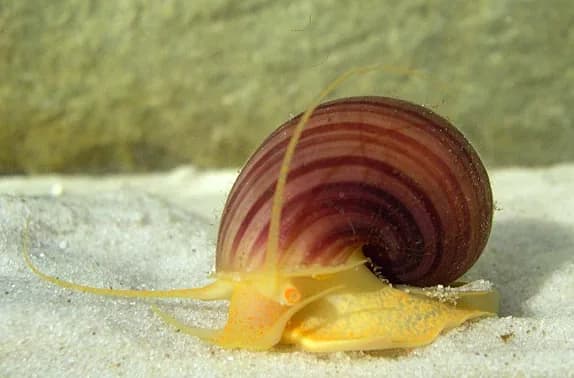
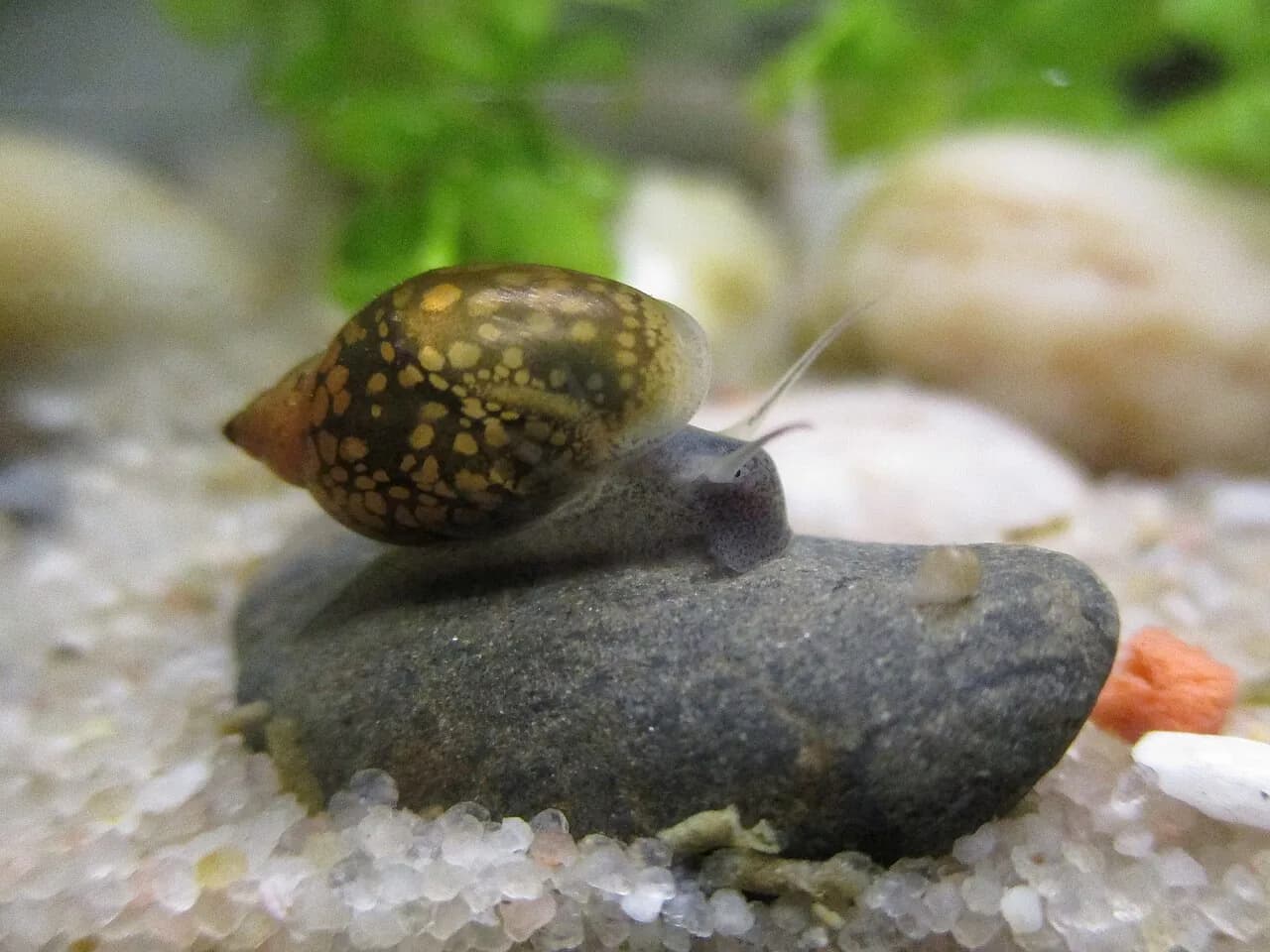
Pond Snail (Physa acuta)
Snail

Pond Snail

Physa acuta

North America (introduced worldwide)Beginner

TL;DR, Pond Snail

Almost always arrives as a hitchhiker on new plants. Often demonised but actually a useful clean-up crew member — eats fish-food leftovers, dead leaves, and biofilm. Population self-regulates with food supply; an outbreak is a feeding-too-much signal, not a snail problem.

Pond Snail (Physa acuta) is an aquarium snail in family Physidae, native to North America (introduced worldwide). Adults reach 0.5–1.5 cm; minimum tank 10 L. Target 10–28 °C, pH 6.5–8.5, 3–25 dGH, 2–15 dKH. Shell calcium demand: medium. Diet: omnivore / scavenger, Eats biofilm, decaying plants, fish food leftovers, fallen fruit, and dead snails. Will graze soft tender plant tissue if hungry. Breeding: Hermaphroditic and prolific. Lays gelatinous egg clutches on glass and leaves. Population scales with food availability. Algae-eating rating: 3/5. Plant-safe: Mostly yes (will nibble very soft tissue). Tank mates: Almost any peaceful community. Vulnerable to assassin snails, loaches, and puffers.

  • Light
  • CO₂

Care at a glance

Almost always arrives as a hitchhiker on new plants. Often demonised but actually a useful clean-up crew member — eats fish-food leftovers, dead leaves, and biofilm. Population self-regulates with food supply; an outbreak is a feeding-too-much signal, not a snail problem.

By Updated 1 min read

Part of our complete planted-aquarium guide.

Tank fit

The parameters that decide whether pond snail fits in your tank.

Parameters

Temperature10–28 °C
15 °C20 °C25 °C30 °C
pH6.5–8.5
4.05.06.07.08.0
Hardness3–25 dGH
0 dGH5 dGH10 dGH15 dGH20 dGH25 dGH

Profile

Family

Physidae

Diet

Omnivore / scavenger

Eats biofilm, decaying plants, fish food leftovers, fallen fruit, and dead snails. Will graze soft tender plant tissue if hungry.

Clean-up crew
Solid
Breeding

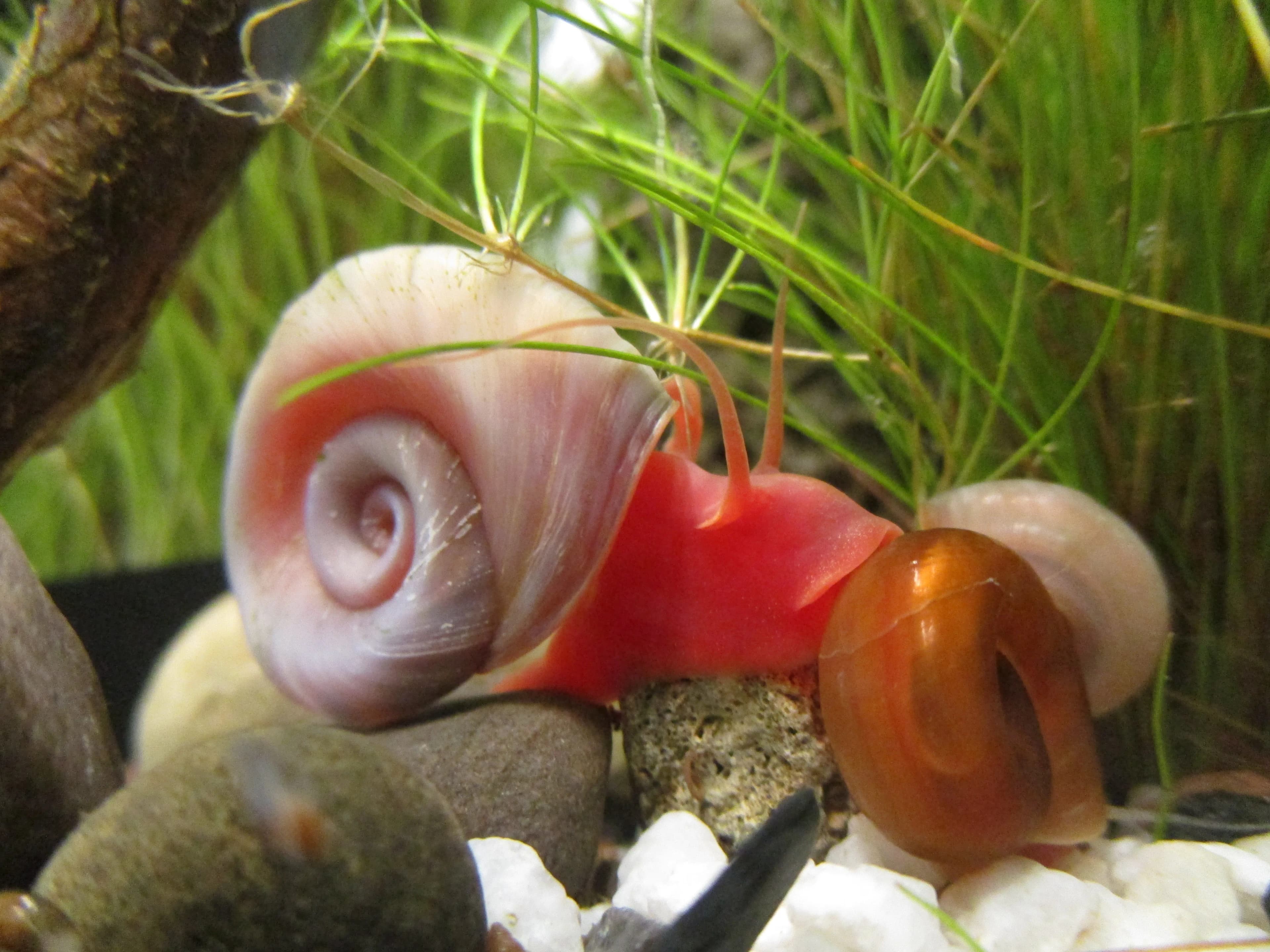
Hermaphroditic and prolific. Lays gelatinous egg clutches on glass and leaves. Population scales with food availability.

Lifespan

1–2 yrs

Shell calcium demand

Medium

Plant safe

Mostly yes (will nibble very soft tissue)

Habitat

North America (introduced worldwide)

North America (introduced worldwide)

Who it lives with

Tank-mate safety and the species this one is documented to thrive (or fail) alongside.

Frequently asked questions

Direct answers to the questions search engines and AI assistants surface most often about this species.

What tank size do Pond Snail need?

Minimum tank: 10 L. Pond Snail (Physa acuta) reach 0.5–1.5 cm as adults.

What water parameters do Pond Snail need?

Target 10–28 °C, pH 6.5–8.5, 3–25 dGH, and 2–15 dKH. Shell calcium demand is medium, supplement with cuttlebone or a mineral stone if your water is soft.

Are Pond Snail plant-safe?

Plant safety: Mostly yes (will nibble very soft tissue). Pond Snail are omnivore / scavenger, Eats biofilm, decaying plants, fish food leftovers, fallen fruit, and dead snails. Will graze soft tender plant tissue if hungry.

What fish can live with Pond Snail?

Tank mates: Almost any peaceful community. Vulnerable to assassin snails, loaches, and puffers.
Do Pond Snail clean algae?

Algae-eating rating: 3/5. Eats biofilm, decaying plants, fish food leftovers, fallen fruit, and dead snails. Will graze soft tender plant tissue if hungry.

Do Pond Snail breed in freshwater?

Hermaphroditic and prolific. Lays gelatinous egg clutches on glass and leaves. Population scales with food availability.

How long do Pond Snail live?

Typical lifespan: 1–2 years in a stable, well-maintained tank.

Sources & further reading

Cross-references

Build the rest of the tank.

A planted tank is a system. Pair this snail with one entry from each other pillar to plan the whole scape.