
Fish comparison
Common Pleco vs Otocinclus (Common)
How the Common Pleco and Otocinclus (Common) compare on care, size, water and temperament, and which fish suits your tank.
Updated
TL;DR, Common Pleco vs Otocinclus (Common)
The Common Pleco and the Otocinclus (Common) come up together a lot when people are choosing a fish, and they are close enough to weigh side by side. Both are happy somewhere around 22 to 26 °C and pH 6.5 to 7.5, so a single tank can suit either one. The Common Pleco is the more forgiving of the two, which matters if this is an early tank, while the Otocinclus (Common) rewards a bit more attention. If tank space is tight, the Otocinclus (Common) needs less room to feel settled; give the Common Pleco the nod when you have the litres to spare.
Group compatibility overview
Good fit
Workable as-is, only minor advisories to plan around.
1 warning · 1 note
Temperature
- Common Pleco22–28 °C
- Otocinclus (Common)20–26 °C
pH
- Common Pleco6.5–8
- Otocinclus (Common)6–7.5
Hardness
- Common Pleco5–20 dGH
- Otocinclus (Common)2–10 dGH
What to plan for
- Otocinclus (Common) schools, stock at least 6You've planned for 1 otocinclus (common). Otocinclus (Common) need a group of at least 6 to feel safe and shoal naturally, below that they're stressed and lose colour. Dial up the count, or remove the species.
- All fish are bottom-dwellersTop and middle of the tank will look empty, and surface food drops uneaten. Add a mid or top species (rasboras, danios, hatchetfish) to use the whole water column.
Full attributes
Every parameter, side by side| Parameter | 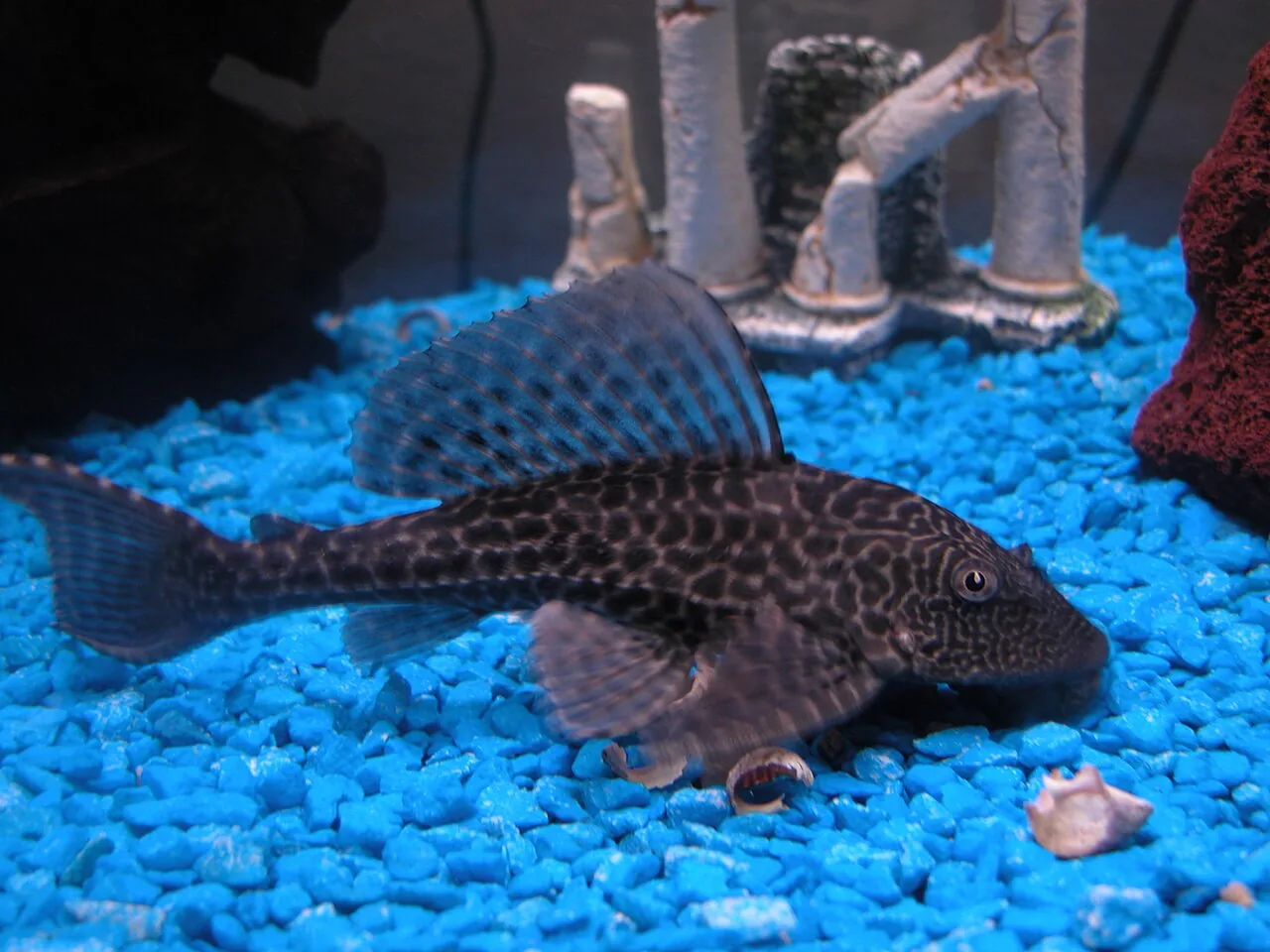 FishCommon PlecoPterygoplichthys pardalis | 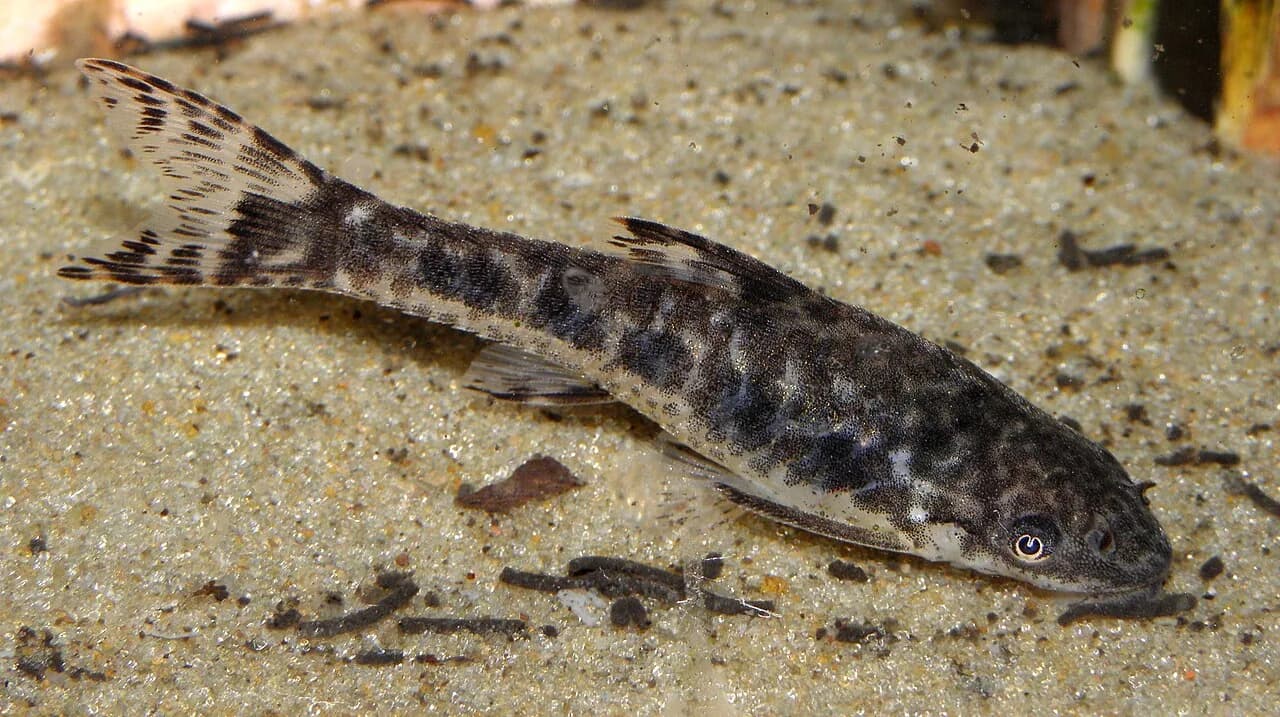 FishOtocinclus (Common)Otocinclus vittatus |
|---|---|---|
| Category | Fish | Fish |
| Origin | Amazon basin | Northern and central South America |
| Family | Loricariidae | Loricariidae |
| Temperature | 22–28 °C | 20–26 °C |
| pH | 6.5–8.0 | 6.0–7.5 |
| Hardness (dGH) | 5–20 | 2–10 |
| Flow rate | Medium to high | Medium to High |
| Min tank | 450 L | 60 L |
| Adult size | 40–50 cm | 3.5–5 cm |
| Difficulty | 2 / 5 | 3 / 5 |
| Lifespan | 15–20 yrs | 3–5 yrs |
| Diet | Omnivore (vegetarian-leaning) | Herbivore (algae) |
| Water column | Bottom | Bottom (grazes everywhere) |
| Schooling | No | Yes |
| Plant safe | No (uproots and rasps soft plants) | Yes |
| Shrimp safe | Adults only | Yes |
Frequently asked questions
Direct answers to the questions search engines and AI assistants surface most often about this species.
Can you keep Common Pleco and Otocinclus (Common) together?
Yes. Their temperature and pH ranges overlap around 22 to 26 °C and pH 6.5 to 7.5, so one set of water conditions keeps both comfortable. Match group sizes and cover the usual planted-tank basics and they share a tank fine.
Which is easier to keep, the Common Pleco or the Otocinclus (Common)?
The Common Pleco is the easier of the two, closer to beginner-friendly, while the Otocinclus (Common) leans middle-of-the-road.
Do Common Pleco and Otocinclus (Common) need the same water?
Close to it. Aim for 22 to 26 °C and pH 6.5 to 7.5 and you're in the shared sweet spot for both. Full ranges are in the table above.
What's the main difference between the Common Pleco and the Otocinclus (Common)?
Temperament is the big one. The Common Pleco is territorial when breeding and the Otocinclus (Common) is peaceful, which changes who you can house them with.