
FAQ deep-dive
Why Are My Aquarium Plants Melting?
Why new aquarium plants melt, dissolve or lose their leaves, when it is normal conversion, when it is crypt melt, and when melting signals a real problem to fix.
Updated 3 min read
Part of our complete planted-aquarium guide.
The short answer
Melting plants are usually not dying, they are converting. Most aquarium plants are farmed emersed, grown in air on a nursery, and when they go underwater they shed those air-grown leaves and grow new submerged ones. This "conversion melt" is normal and temporary. Cryptocorynes take it further with dramatic "crypt melt", dropping every leaf then regrowing from the roots. In both cases, keep the roots and rhizome intact, trim off the mush, and wait, new growth follows in two to four weeks. Melting only signals a real problem when it hits established plants, in which case you look for a trigger.
Conversion melt: the normal kind
Here is the thing nobody tells beginners: the plant you buy was almost certainly grown emersed, out of water, in a nursery, because plants grow faster and cleaner in humid air. Its leaves are built for air. When you submerge it, those leaves cannot cope and dissolve, while the plant grows a fresh set of underwater leaves from the base. So a brand-new plant losing leaves in its first weeks is doing exactly what it should.
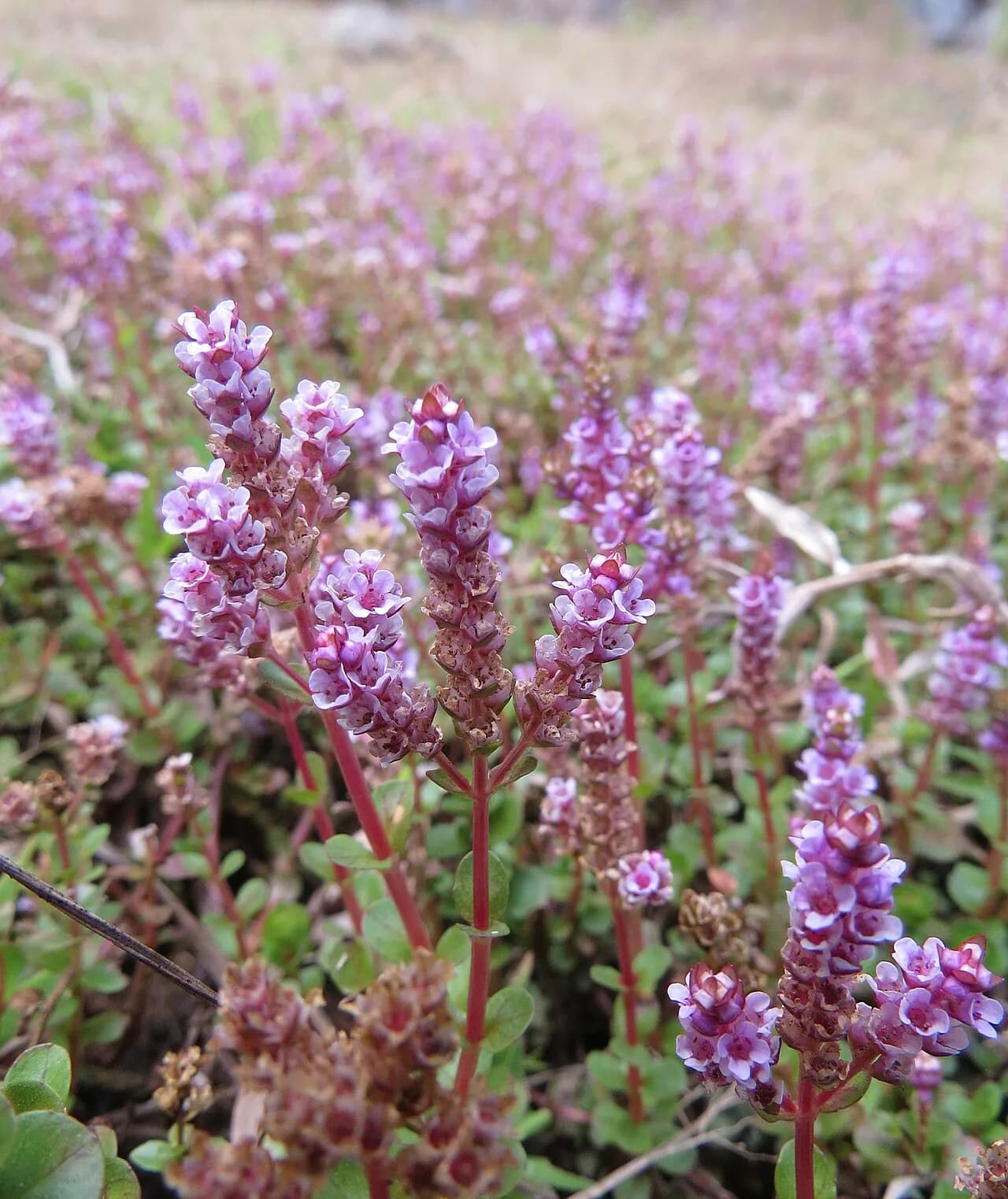
Rotala Rotundifolia
Rotala rotundifolia
Southeast Asia
What to do: nothing dramatic. Trim off any leaves that have gone soft, transparent or slimy so they do not rot, leave the roots and any healthy growth, and be patient. New, tank-adapted growth appears within a few weeks and the plant takes off from there.
Crypt melt: alarming but harmless
Cryptocorynes have a party trick: after being planted, moved, or hit with a change in water parameters, they often drop every leaf almost overnight, leaving bare stems and roots. This is crypt melt, and it fools countless beginners into binning a perfectly healthy plant.
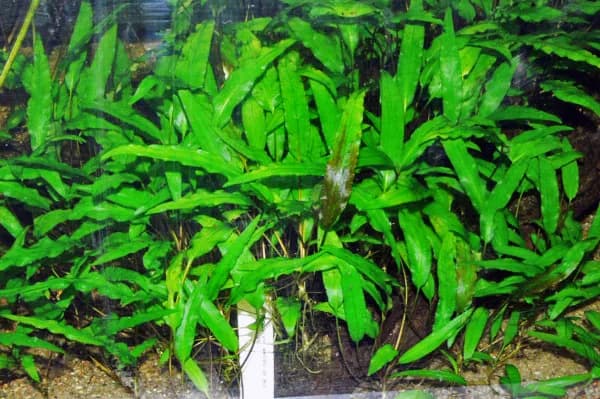
Cryptocoryne Wendtii
Cryptocoryne wendtii
Sri Lanka
The roots survive. Leave the plant exactly where it is, and it regrows a complete set of leaves from the crown within two to four weeks, often better adapted than before. The one rule: do not pull it up "to check", which just resets the clock.
When melt is a real problem
Established plants that suddenly melt, not new arrivals, are telling you something changed. Work through the likely triggers:
- A parameter swing. A big shift in temperature, pH, hardness or TDS, often from a large or careless water change, can trigger a melt. See water chemistry.
- Low or unstable CO2. Demanding plants stall and melt when CO2 drops or swings. Carpets like HC feel this first.
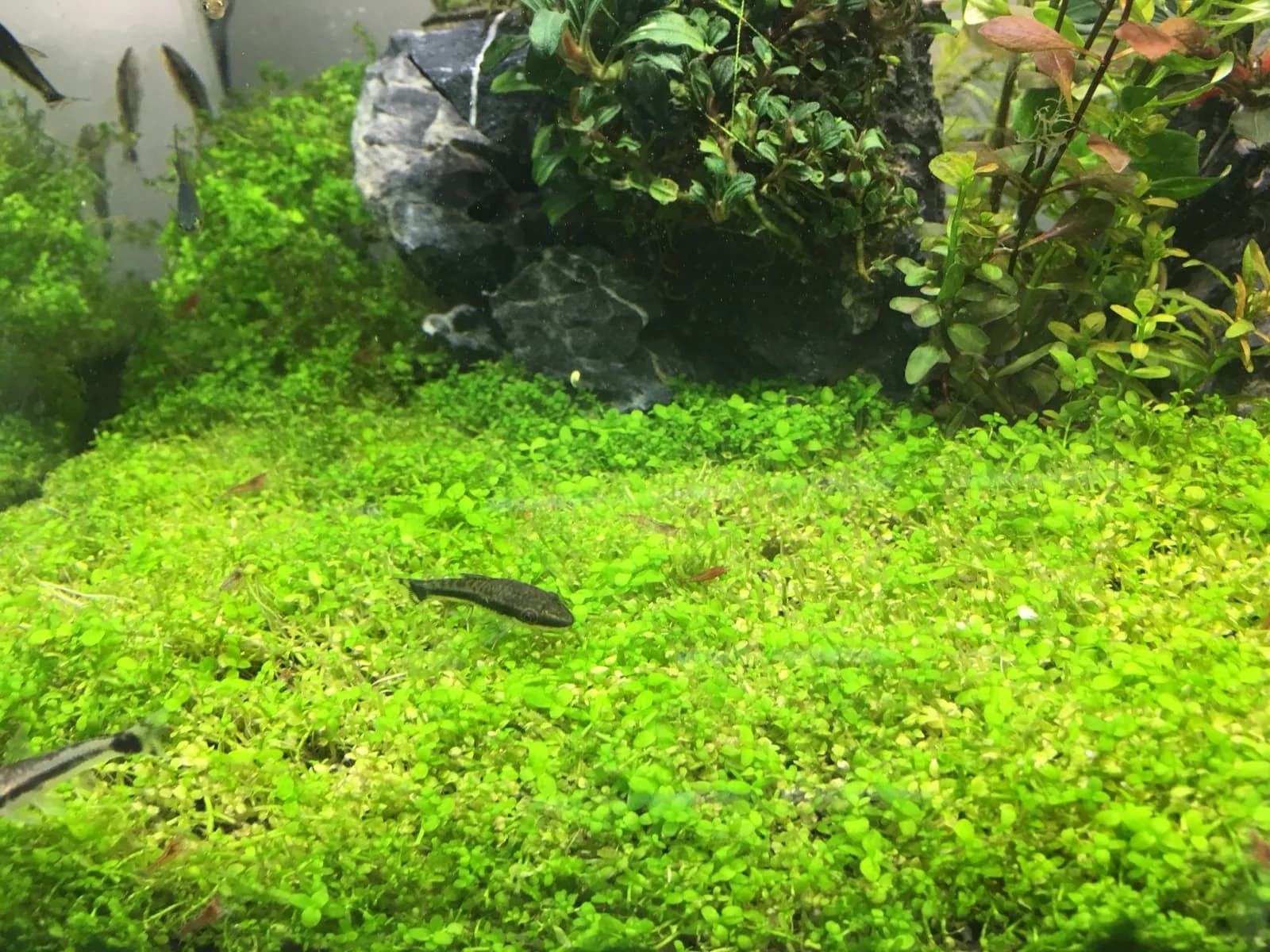
Dwarf Baby Tears (HC Cuba)
Hemianthus callitrichoides 'Cuba'
Cuba
- A nutrient deficiency. Yellowing, holes or pale new growth before the melt point at a shortage. Diagnose it in the deficiency hub.
- Too little light. A plant slowly starved of light thins and melts from the bottom.
- A chemical hit. An algaecide, a copper medication, or an excess-dose of liquid carbon can burn sensitive plants and mosses. Check what went in recently.
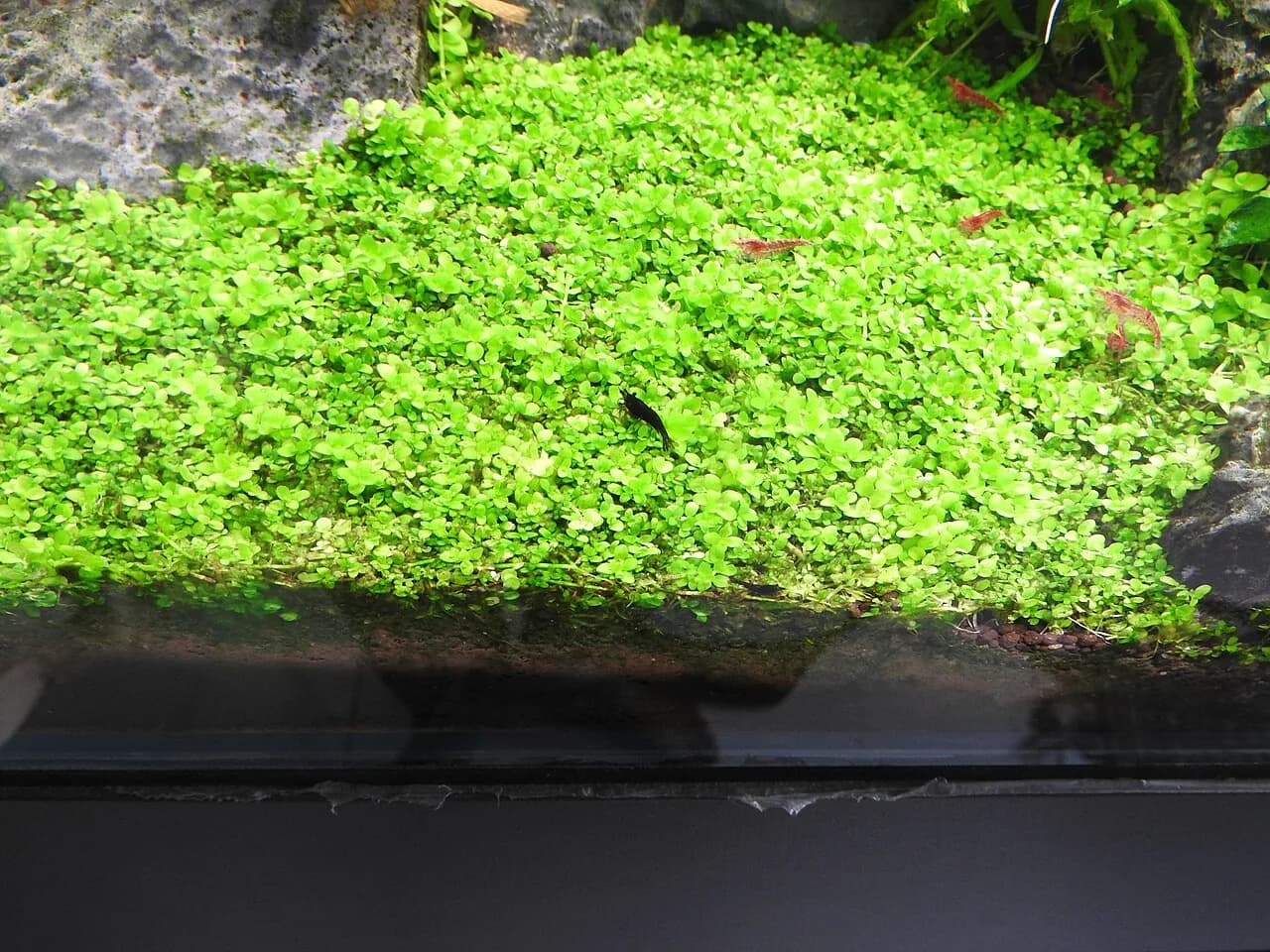
Monte Carlo
Micranthemum tweediei
Argentina
What not to do
- Don't rip out melting plants. The roots are usually alive and regrowing.
- Don't panic-change all the water. A big swing can make melt worse, not better. Keep conditions stable.
- Don't ignore the mush. Rotting leaves foul the water and feed algae. Trim them out.
FAQ
The quick answers are above. If the melt is on established plants, work through water chemistry, CO2 and the deficiency hub to find the trigger.
Frequently asked questions
Direct answers to the questions search engines and AI assistants surface most often about this species.
Is it normal for new aquarium plants to melt?
Yes, very. Most aquarium plants are farmed emersed (grown in air), and when they go underwater they shed those air-grown leaves and grow new submerged ones. This 'conversion melt' looks alarming but is normal. Keep the roots and rhizome intact and new growth follows in a few weeks.
What is crypt melt?
Cryptocoryne plants often drop all their leaves after being planted, moved, or after a change in water parameters, a reaction called crypt melt. The roots stay alive and the plant regrows completely within two to four weeks. Do not pull it out; leave it and it comes back.
Should I remove melting leaves?
Yes, trim off leaves that have gone mushy, transparent or slimy, so they do not rot and foul the water or feed algae. Leave firm, healthy leaves and the roots and rhizome alone. Removing dying leaves also helps the plant put energy into new growth.
When is plant melt a real problem?
When established plants (not new arrivals) suddenly melt, suspect a cause: a swing in parameters, low or unstable CO2, a nutrient deficiency, not enough light, or a die-off from a chemical like an algaecide or copper medication. Diagnose the trigger rather than assuming normal conversion.
How long does plant melt last?
Conversion melt and crypt melt usually resolve in two to four weeks as new submerged leaves grow in. If a plant is still declining after a month, or new growth also melts, something in the tank is wrong and needs diagnosing.