Fin & Stem logo
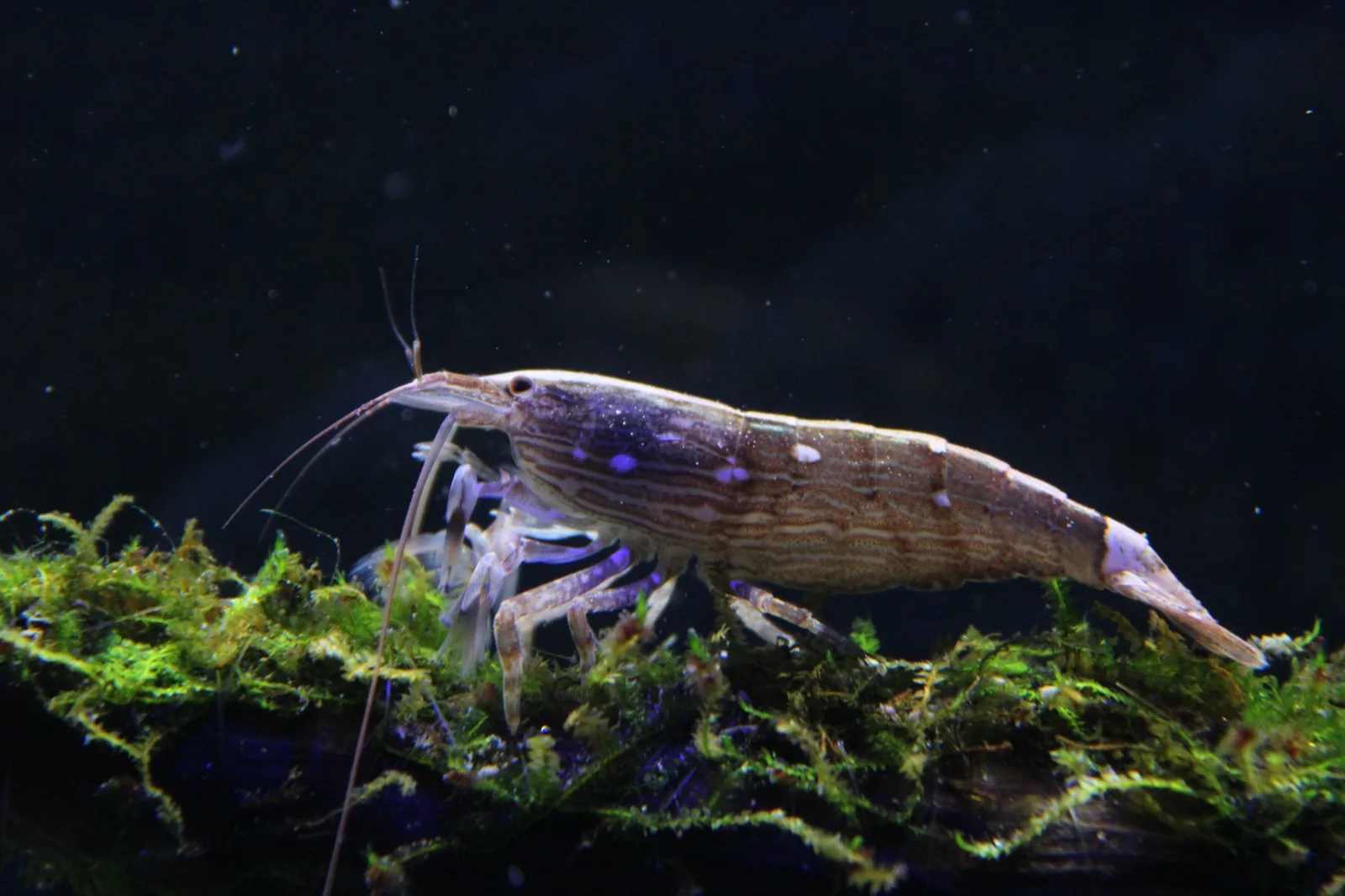
Bamboo / Wood Shrimp (Atyopsis moluccensis)
Shrimp

Bamboo / Wood Shrimp

Atyopsis moluccensis

Southeast AsiaEasy

TL;DR, Bamboo / Wood Shrimp

Huge, gentle, fascinating shrimp. Needs strong flow and suspended food to filter, starves in a clean tank. Sits on hardscape and waves its fans into the current.

Bamboo / Wood Shrimp (Atyopsis moluccensis) reaches 8–10 cm and needs a minimum tank of 75 L with a colony of 1+. Native to Southeast Asia. Aim for 22–28 °C, pH 7.0–7.5, 6–15 dGH, and 200–400 ppm TDS. Lifespan: 2–3 years. Breeding: larvae need brackish, not practical at home. Diet: filter feeder, Catches microscopic particles in fans, powdered fry food, suspended algae, micron particulates in the current. Plant-safe: Yes. Tank-mates: Peaceful community fish only.

  • Colony1+
  • Plant-safeYes
  • Tank-mate safePeaceful community fish only

Care at a glance

Huge, gentle, fascinating shrimp. Needs strong flow and suspended food to filter, starves in a clean tank. Sits on hardscape and waves its fans into the current.

By Updated 2 min read

Part of our complete freshwater shrimp guide.

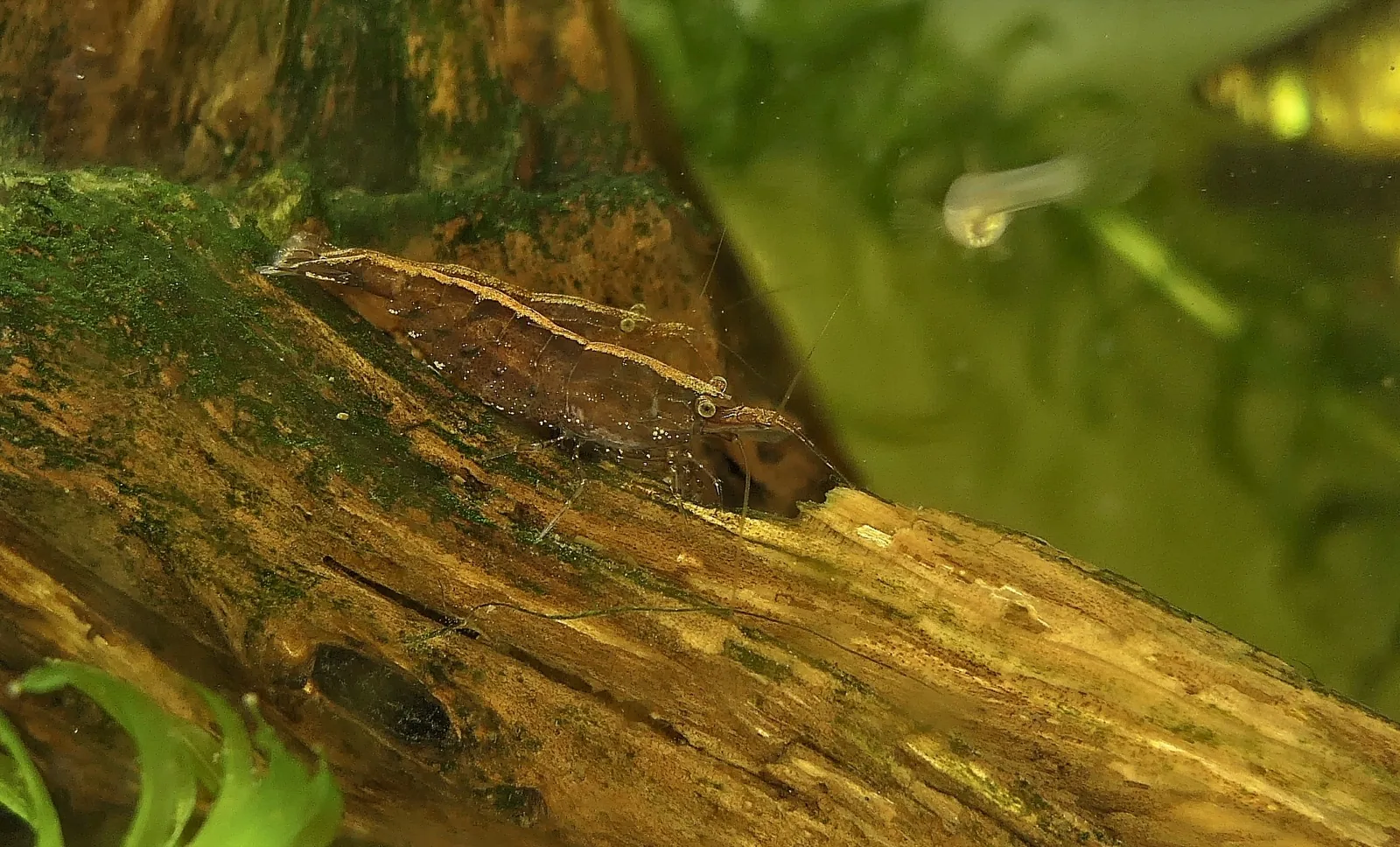
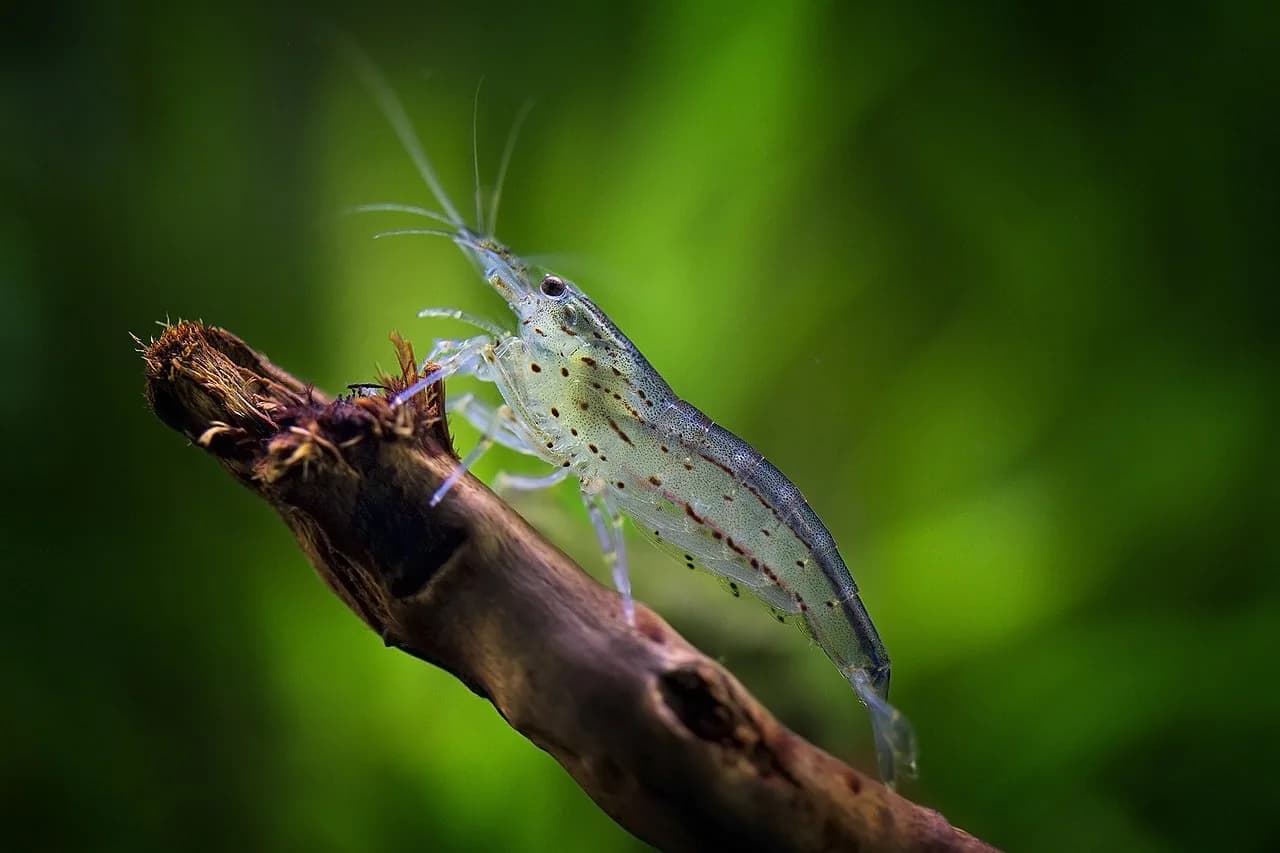
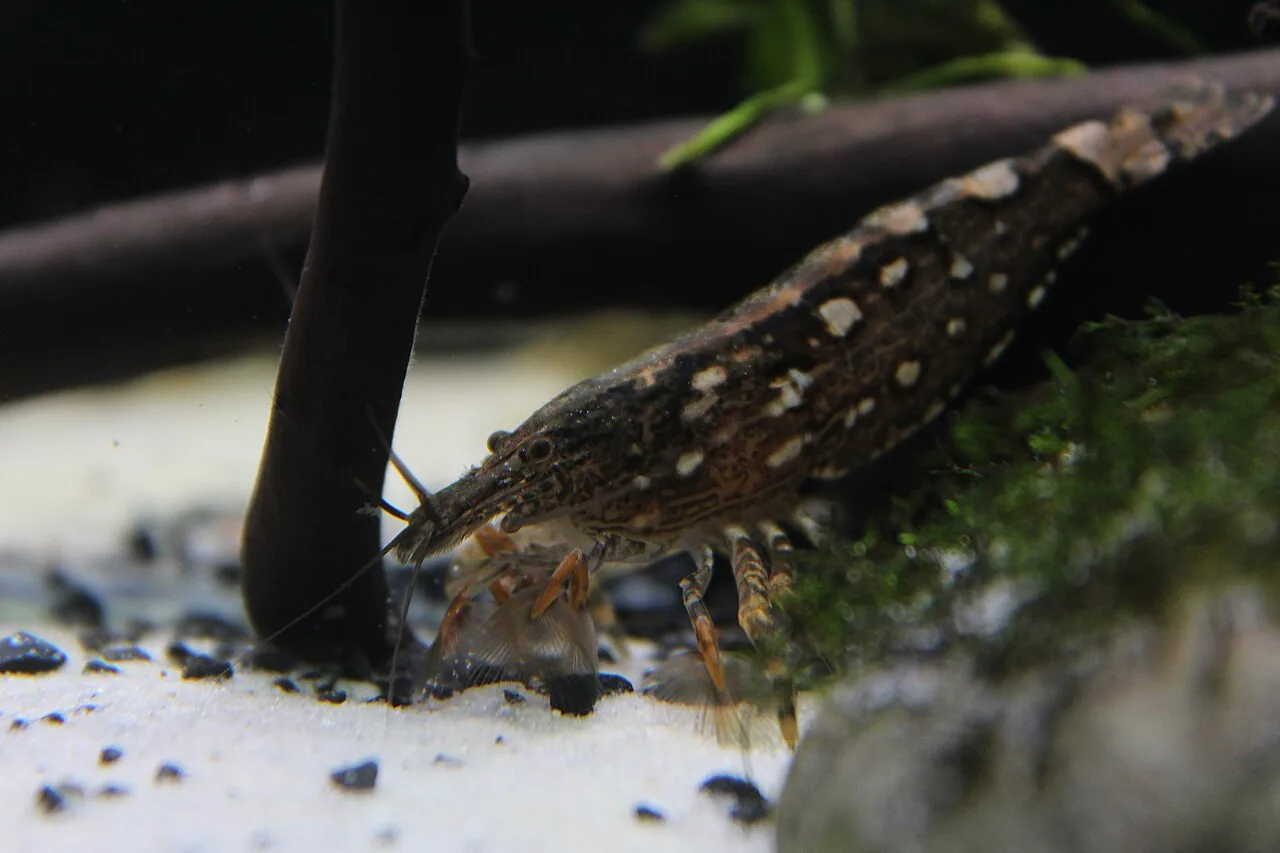
Bamboo / Wood Shrimp (Atyopsis moluccensis)
5snake5 · CC0Source
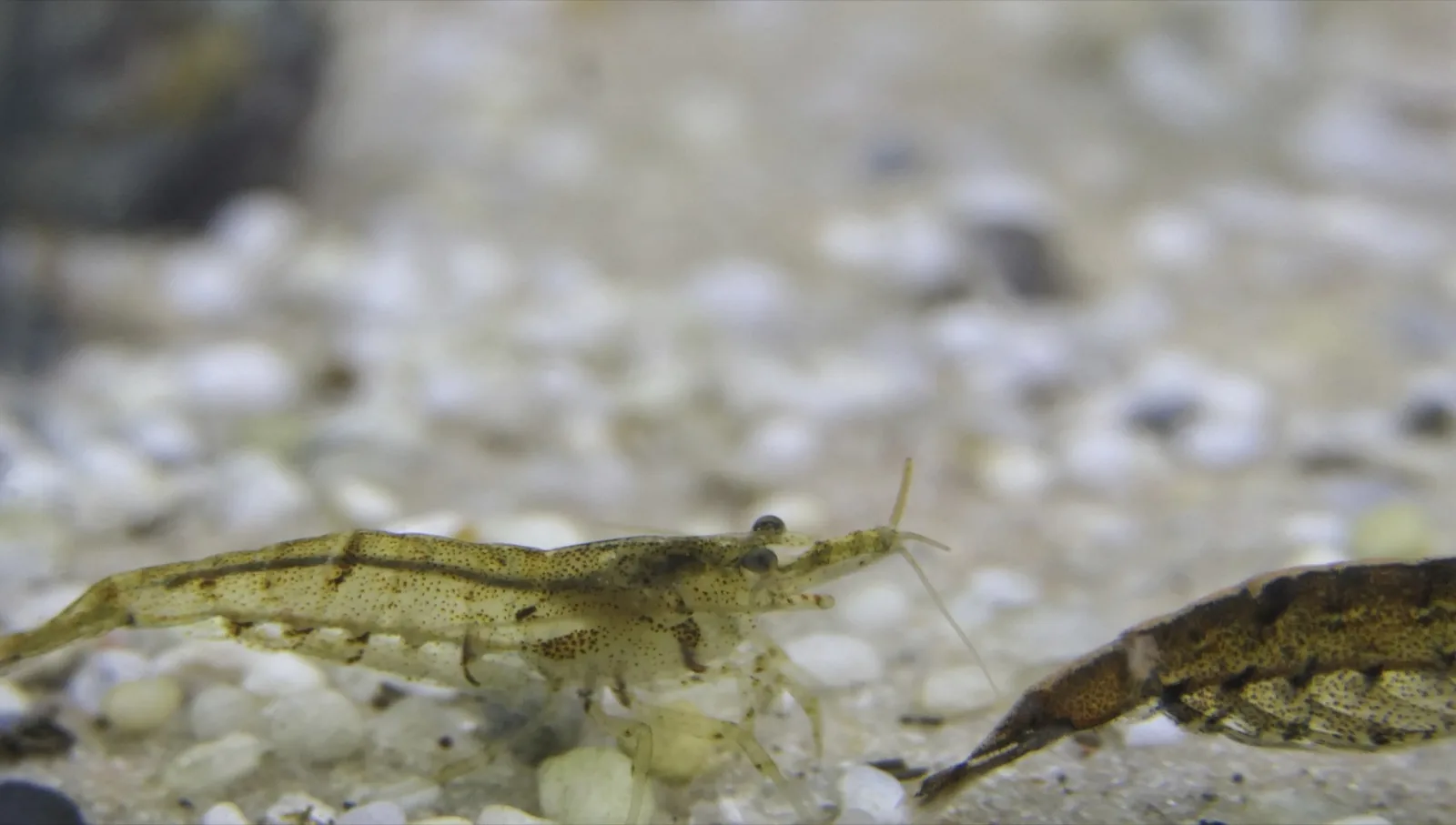
Bamboo / Wood Shrimp (Atyopsis moluccensis)
5snake5 · CC0Source
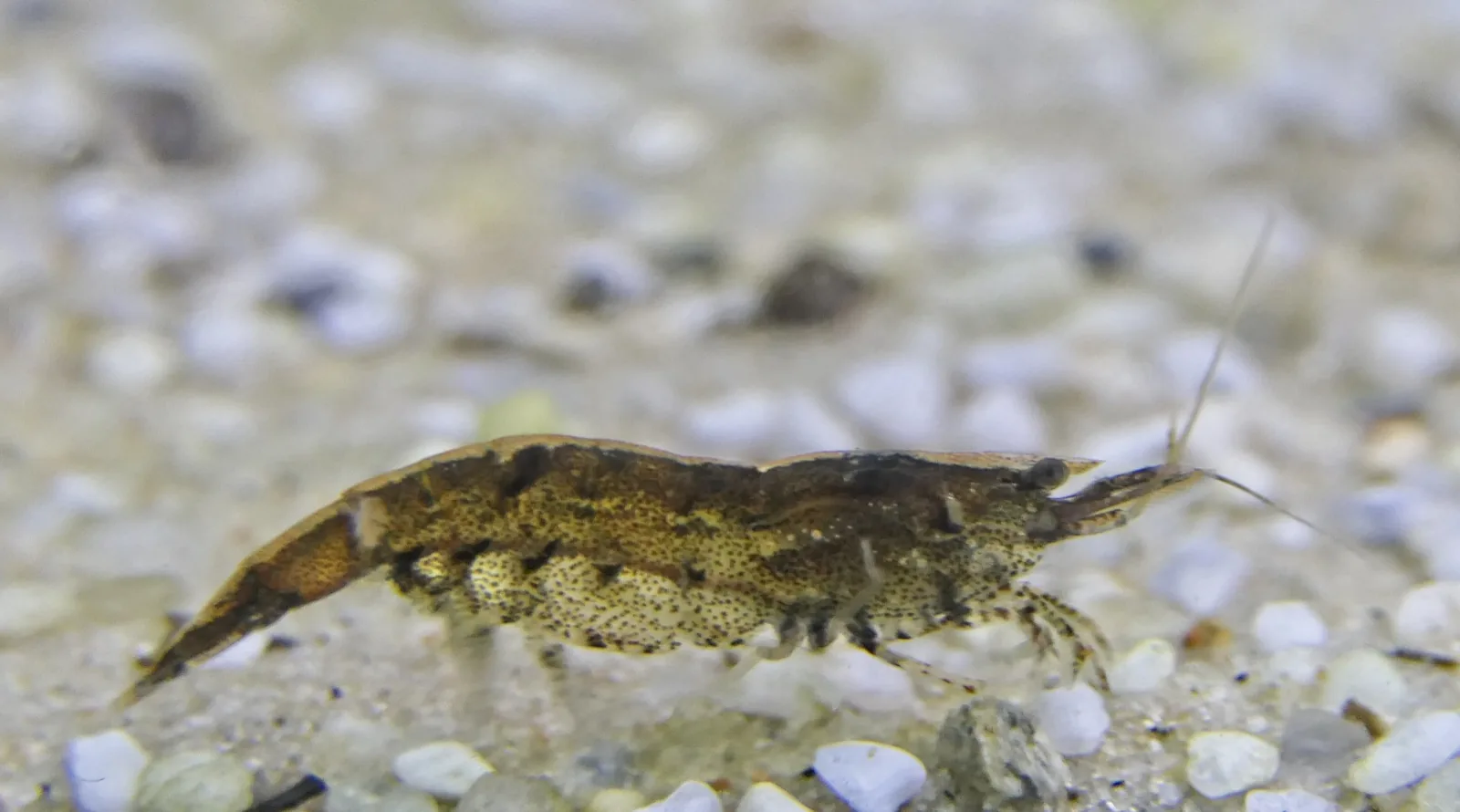
Bamboo / Wood Shrimp (Atyopsis moluccensis)
5snake5 · CC0Source
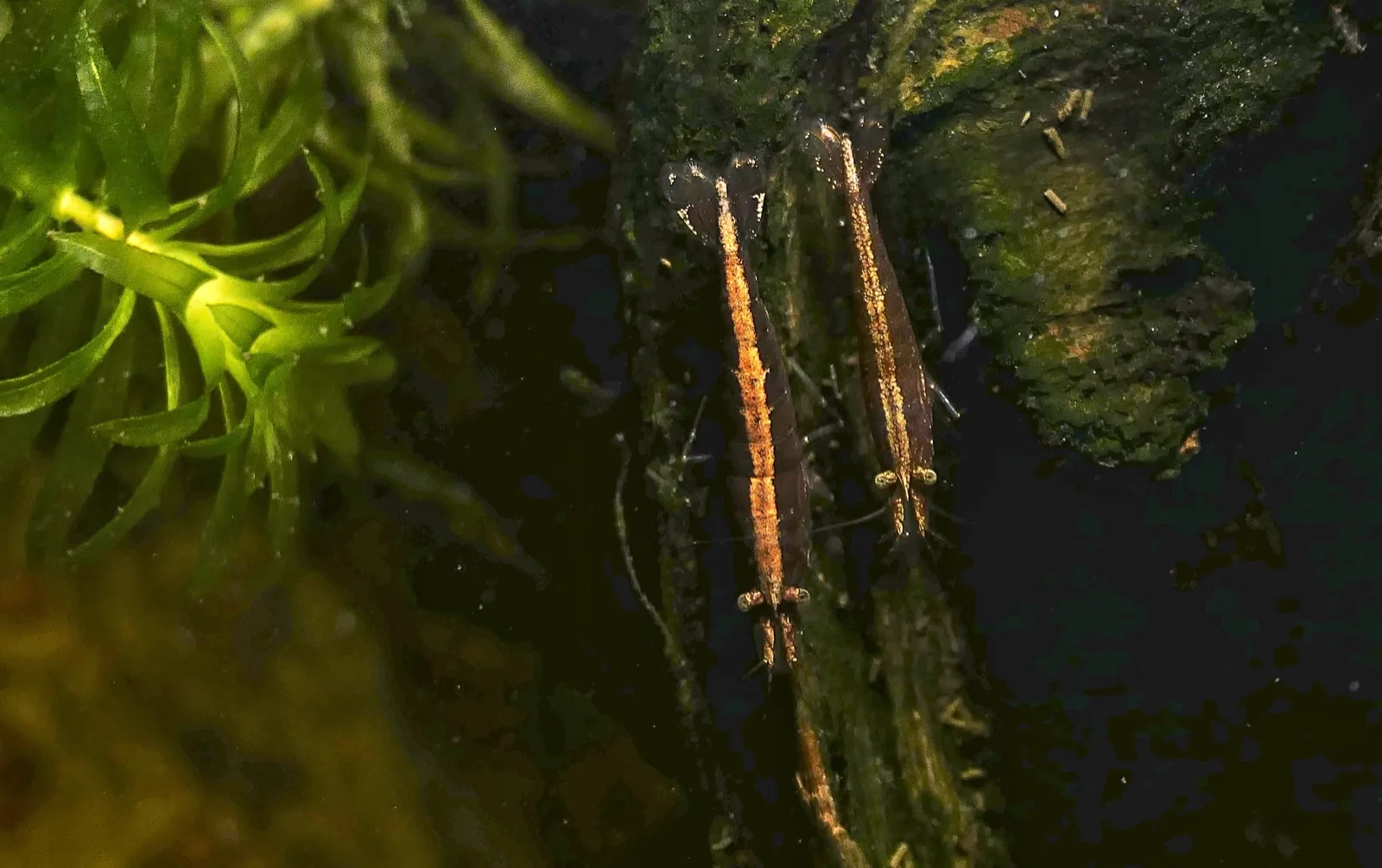
Bamboo / Wood Shrimp (Atyopsis moluccensis)
5snake5 · CC0Source
Bamboo / Wood Shrimp (Atyopsis moluccensis)
Kacper Aleksander · CC BY-SA 4.0Source

Hero photo by Kacper Aleksander · CC BY-SA 4.0 · Wikipedia

Tank fit

The parameters that decide whether bamboo / wood shrimp fits in your tank.

Parameters

Temperature22–28 °C
15 °C20 °C25 °C30 °C
pH7.0–7.5
4.05.06.07.08.0
Hardness6–15 dGH
0 dGH5 dGH10 dGH15 dGH20 dGH25 dGH
Adult size8–10 cm
035810
TDS200–400 ppm
50 ppm150 ppm250 ppm350 ppm500 ppm
FlowMedium to High
Still
Low
Medium
High
V. high

Profile

Colony minimum

1+

Diet

Filter feeder

Catches microscopic particles in fans, powdered fry food, suspended algae, micron particulates in the current.

Clean-up crew
Light help
Breeding

Larvae need brackish, not practical at home

Lifespan

2–3 yrs

Habitat

Fast clear rivers of Southeast Asia

Southeast Asia

Who it lives with

Tank-mate safety and the species this one is documented to thrive (or fail) alongside.

Good tank mates

Almost any peaceful community fish — they're 10 cm adults and rarely bothered. Each other.

Avoid

Anything aggressive enough to nip their fans.

See full compatibility cross-reference

Pro tips

Hard-won lessons from the tank.

Star feeders — sit on hardscape and wave fan-like appendages to catch particulates in the current. STARVE in clean tanks because there's no suspended food. Feed by dosing powdered fry food or whisking ground-up flake into the water column near them. Watch closely — they show distress (hunching, lethargy, white discolouration) days before death.

Things to watch for

What can go wrong and how to spot it.

Things to watch for

Failure modes, in order of how dramatic the fix is.

Health

Diseases

Sensitive to copper. Often arrive stressed — quarantine and observe for 2 weeks before display tank.

Common mistakes

Common mistakes

1) Putting them in a low-flow tank — they need current to feed. 2) Assuming they'll scavenge — they don't, they filter. 3) Not supplementing food after a tank deep-clean removes biofilm.

How to care for it

The practical routine, read top to bottom.

  1. Tank setup

    75 L+. Strong directional flow (a powerhead or stream pump) is essential — they perch in the current and fan-feed. Hardscape perches: driftwood, stones at varying heights.

Background

Where it comes from, how it behaves, and the variants you'll see at retail.

Show background

In the wild

Where it lived before it came home.

Native rangeSoutheast Asia
Origin · Southeast Asia

Fast-flowing streams across Southeast Asia (Indonesia, Malaysia, Philippines).

Behavior & breeding

How they pair, reproduce, and grow.

  1. Stage 1
    Telling them apart

    Sexing

    Males have visibly enlarged first pair of legs. Females smaller, with the first pair more delicate.

  2. Stage 2
    Molting cycle

    Molting

    Every 6–10 weeks. Slower than dwarf shrimp.

  3. Stage 3
    Life stages

    Lifecycle

    Females carry hundreds of larvae that require brackish/marine water — not feasible at home. Almost all retail stock is wild-caught.

Variants & identification

The named cultivars and the lookalikes worth flagging.

Color grades / variants

Reddish-brown to mottled tan, slight banding. They can change colour slightly based on diet and mood.

Frequently asked questions

Direct answers to the questions search engines and AI assistants surface most often about this species.

What tank size do Bamboo / Wood Shrimp need?

Minimum tank: 75 L with a colony of 1+. Bamboo / Wood Shrimp (Atyopsis moluccensis) reach 8–10 cm as adults.

What water parameters do Bamboo / Wood Shrimp need?

Target 22–28 °C, pH 7.0–7.5, 6–15 dGH, and 200–400 ppm TDS. Mature, cycled, low-nitrate water is non-negotiable.

Are Bamboo / Wood Shrimp safe with fish?

Tank-mate notes: Peaceful community fish only. Plant safety: Yes.

How do Bamboo / Wood Shrimp breed?

Breeding: Larvae need brackish, not practical at home. In a stable colony of 1+ adults you will see berried females naturally once parameters and food are right.

What do Bamboo / Wood Shrimp eat?

Diet: filter feeder, Catches microscopic particles in fans, powdered fry food, suspended algae, micron particulates in the current. Algae-eating rating: 2/5.

How long do Bamboo / Wood Shrimp live?

Typical lifespan: 2–3 years.

Sources & further reading

Cross-references

Build the rest of the tank.

A planted tank is a system. Pair this shrimp with one entry from each other pillar to plan the whole scape.