
FAQ deep-dive
Do Otocinclus Really Eat Algae? What to Know Before You Buy
Otocinclus eat soft brown algae and biofilm, not the hair algae most aquarists want gone. Here is when to actually buy them and when to skip.
Updated 6 min read
Part of our complete aquarium-fish guide.
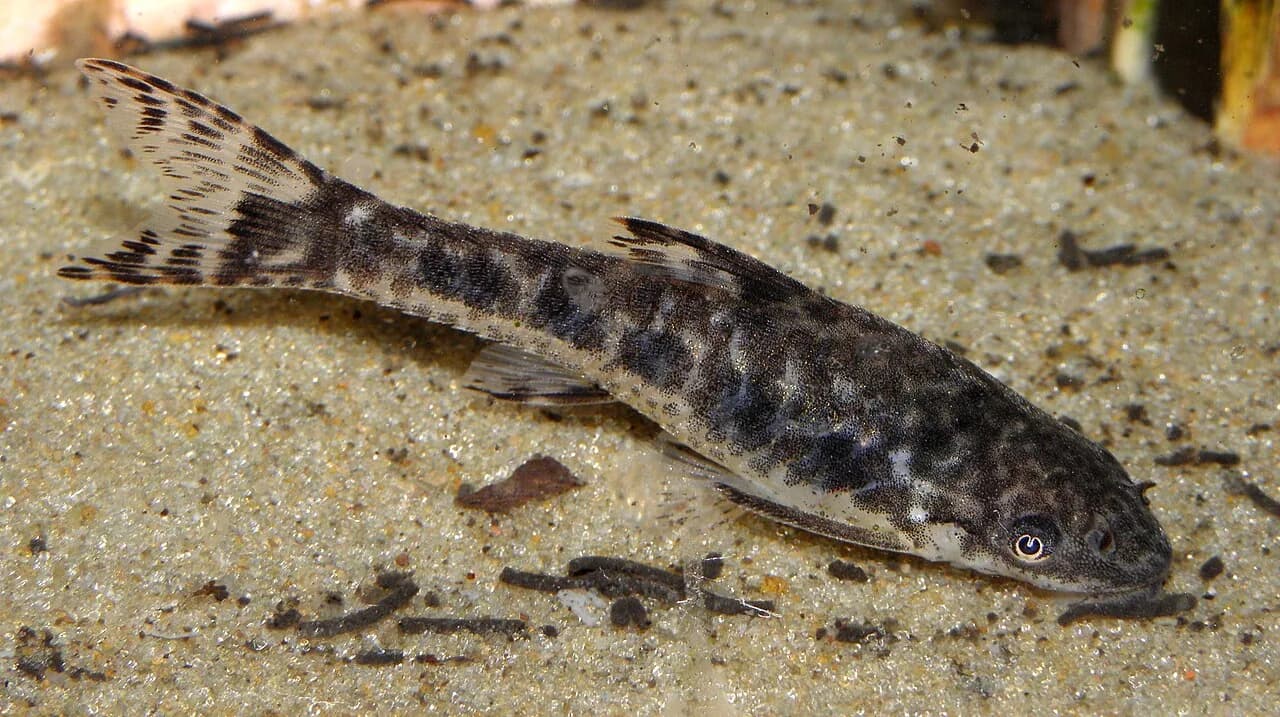
The short answer
Otocinclus eat diatoms (soft brown algae) and biofilm. That is it. They will not touch the algae most aquarists actually want gone. Hair algae, black beard algae, green spot algae, and cyanobacteria are all off the menu. Otocinclus also starve in a clean, newly-cycled tank because there is no biofilm yet to graze on. A two-month-old tank with an algae problem is the wrong moment to buy otos. The right moment is after three months of tank maturity, in groups of six or more, only when soft brown film is visible on the glass and leaves. Even then, supplementing with Repashy Soilent Green and blanched zucchini matters, because they need calories beyond what algae alone provides. Otocinclus are excellent peaceful tankmates for shrimp and small fish, but they are a maintenance tool, not an algae solution. The actual fix for a hair algae or BBA outbreak is light and CO2 balance, not a hungry catfish.
The algae types otos eat
Otocinclus are specialised browsers. Their mouths and gut are built for one job: scraping a thin film of soft material off smooth surfaces.
What they eat:
- Diatoms. Brown, dusty, slightly slimy film that appears on glass, hardscape, and plant leaves in young tanks. Diatoms are silica-loving algae that bloom heavily in the first two to three months of a tank's life, then taper off as the silica in the water gets consumed.
- Biofilm. The thin, invisible-to-the-eye microbial layer that coats every wet surface in a mature tank. Biofilm is what shrimp eat. It is also what otos eat as their primary food.
- Soft green dust algae. The faint green haze on glass that appears in mid-stage tanks. Otos will graze this when it is soft and recent. Once it hardens into green spot algae, it is too tough for them.
What they will not eat:
- Hair algae. Long stringy green filaments. Otos lack the jaw structure to bite through it.
- Black beard algae (BBA). Dark tufts on leaf edges and hardscape. Caused by CO2 instability. No fish or invertebrate eats it reliably except the Siamese algae eater (Crossocheilus oblongus), and even that one is hit or miss.
- Green spot algae (GSA). Small hard green dots on glass and leaves. Caused by phosphate deficiency. Manual scraping is the fix.
- Cyanobacteria. Slimy blue-green sheets, often smelling like swamp. Not actually an algae. Treatable with a blackout, an antibiotic, or by fixing flow and nitrate levels.
When the algae type is unclear, a clear photo against a white background posted to r/PlantedTank for identification will save the cost of otos that die in two weeks.
Why otos starve in new tanks
The species is built for grazing. Otocinclus eat constantly, all day, in small amounts. A wild oto in a forest stream picks at biofilm on roots and submerged wood for most of its waking hours.
A new tank does not have enough biofilm to feed a group of otos. The bacterial layer takes weeks to months to develop into something thick enough to graze meaningfully. Otos added in week two will rapidly graze through whatever biofilm exists, then have nothing to eat.
The signs of a starving oto:
- Sunken belly (concave between the pelvic and anal fins).
- Listless behaviour, hanging on a leaf without grazing.
- Lethargy in the mornings (a healthy oto is busy from lights-on).
By the time these signs appear, the fish is usually too far gone to recover. Otos die from starvation in week one to three of being added to a too-young tank.
When to actually buy them
The rule: at least three months of running planted tank, with visible biofilm or diatom film on glass and hardscape.
A tank that meets the criteria:
- Has been cycled and stable for 12+ weeks.
- Shows a faint brown film on glass that can be scraped off with a finger.
- Has driftwood with visible white-to-tan biofilm patches.
- Is moderately to heavily planted (more leaf surface area means more biofilm).
A tank that does not show diatom film cannot feed otos. Another month of maturity, or aggressive supplemental feeding, is needed.
How many to buy
Otocinclus (Common)
Otocinclus vittatus
Northern and central South America
Six minimum. Otocinclus are obligate shoaling fish. Solo otos hide constantly and stop eating. A group of six in a 60 litre planted tank shows the natural behaviour: grazing in loose formation across glass, leaves, and hardscape, occasionally darting up in unison.
The species sold most commonly is Otocinclus vittatus (the "Common Oto"). Several closely-related species enter the trade under the same name (O. cocama "Zebra Oto", O. macrospilus, O. vestitus). For care purposes the same approach applies to all of them.
A single source on a single day is the right way to buy. Acclimation runs slowly over 90+ minutes via drip. One or two lost to acclimation stress is the baseline expectation.
Supplementing their diet
Even in a tank with visible algae, supplementing twice a week is the right move. Otos eat constantly and bare-tank biofilm production rarely keeps up.
Best supplemental foods:
- Repashy Soilent Green. Gel food formulated for plant-eating fish and invertebrates. The powder mixes with hot water, pours into a mould or onto a plate, and sets in the fridge. A small piece dropped into the tank draws otos and shrimp to swarm it.
- Blanched zucchini or courgette slices. A 1cm-thick slice microwaved for 30 seconds, weighted down with a stainless skewer, left overnight. Uneaten remains come out the next morning.
- Blanched cucumber, spinach, or carrot. Same method.
- Hikari Algae Wafers. Easy fallback when fresh veg is not on hand.
A well-fed oto has a slightly rounded belly and stays visibly active throughout the day.
Better algae solutions for common problems
For aquarists buying otos hoping to fix a specific algae problem, the table below shows what actually works.
Hair algae:
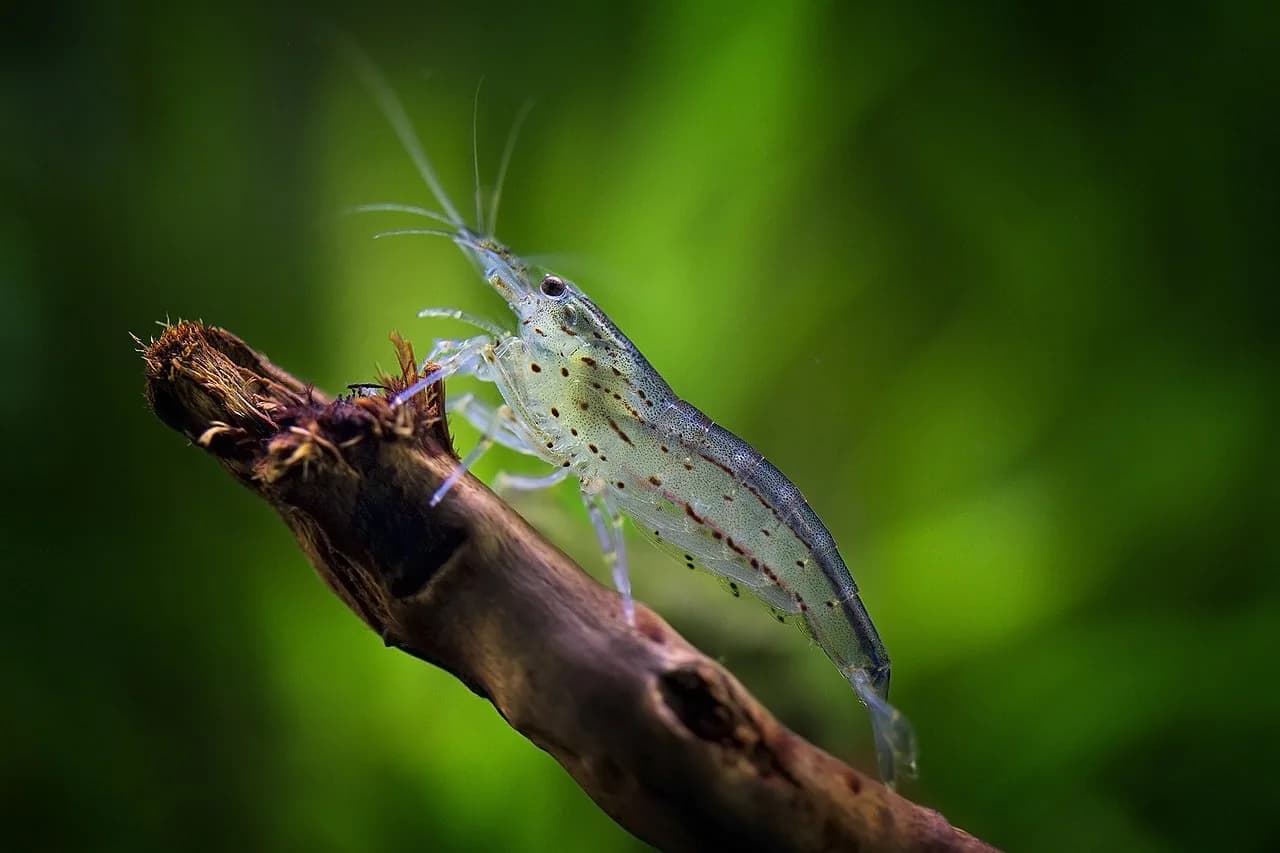
Amano Shrimp
Caridina multidentata
Japan, Taiwan
A group of 6 to 10 Amano shrimp will demolish a hair algae bloom. The shrimp are large enough (4 to 5cm) to bite through filaments that otos and Neocaridina shrimp cannot manage. They are also better at it than any fish in the catalogue.
Biofilm and diatoms:
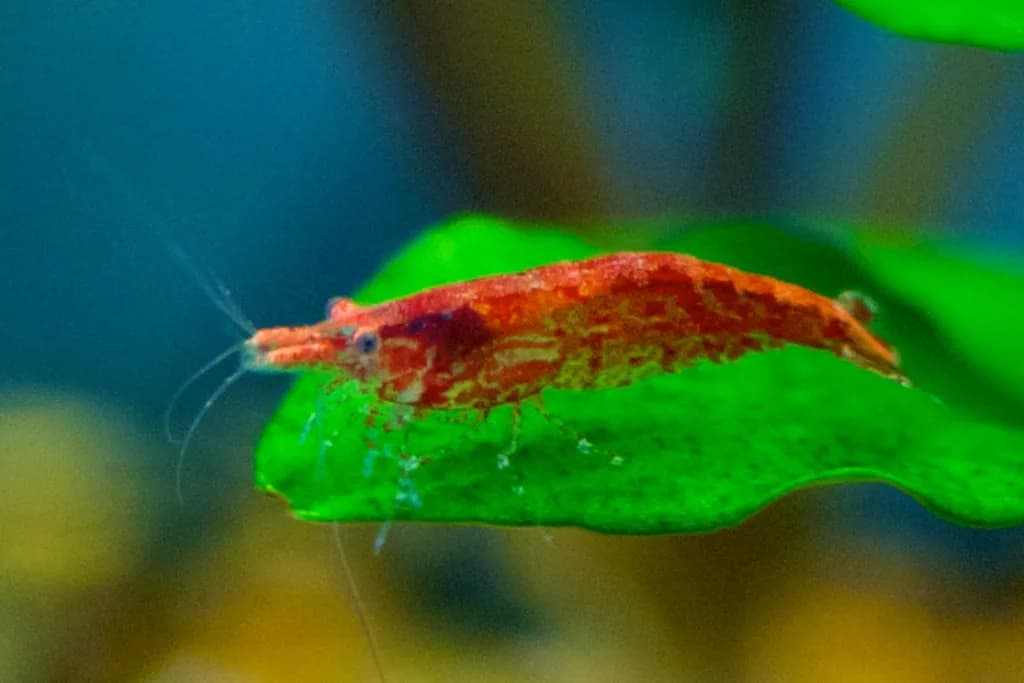
Red Cherry Shrimp
Neocaridina davidi
Taiwan (selectively bred)
A cherry shrimp colony grazes the same biofilm otos eat, plus they multiply to match the food supply. 15 to 20 cherries in a planted tank will keep the glass and hardscape biofilm at a low maintained level forever.
Black beard algae (BBA):
Fix the CO2. BBA appears when CO2 drops or fluctuates. Adding CO2 injection (or liquid carbon like Easy Carbo or Excel), turning down the lights by an hour per day for two weeks, makes the BBA recede. Manual removal of affected leaves accelerates the recovery.
Green spot algae (GSA):
More phosphate. GSA blooms when PO4 is too low relative to NO3. A weekly phosphate dose (KH2PO4 at 1 to 2 ppm target) clears it over a month. The 2HR Aquarist algae diagnosis guide covers the chemistry in depth.
Plan around otocinclus
The compatibility tool anchored to otocinclus shows every plant, shrimp, and fellow fish that overlaps oto parameters. They pair well with most peaceful nano fish.
Related reading
- Best fish for a 30 litre planted tank
- Can neon tetras live with cherry shrimp?
- Stocking a 60 litre community planted tank
Sources
Frequently asked questions
Direct answers to the questions search engines and AI assistants surface most often about this species.
Will otocinclus eat hair algae?
No. Otocinclus eat diatoms (soft brown algae) and biofilm. They will not touch hair algae, black beard algae, green spot algae, or cyanobacteria. For hair algae, Amano shrimp or fixing the underlying CO2 and light balance is the right answer.
How long should a tank be set up before adding otocinclus?
Three months minimum. Otocinclus need established biofilm and soft brown algae as their primary food. A new tank simply does not have enough of either, and otos starve in the first two weeks. The right signal is visible brown film accumulating on glass and leaves.
How many otocinclus per tank?
Six is the minimum group size. They are obligate shoaling fish and become stressed in smaller groups. At least six added at once, in a tank of at least 60 litres, is the baseline. Smaller tanks rarely support enough biofilm to feed a group.
Do otocinclus need food besides algae?
Yes. Even in a tank with visible algae, otos benefit from supplemental feeding with Repashy Soilent Green (or similar plant-based gel food), blanched zucchini, courgette, or cucumber slices. Two to three supplemental feedings per week keeps them well-fed.
Are otocinclus and cherry shrimp safe together?
Completely safe. Otocinclus ignore shrimp and shrimplets entirely. They are one of the best fish to combine with a breeding cherry shrimp colony because they help graze the same surfaces without competing for food in a meaningful way.