
Compatibility
Can Neon Tetras Live With Cherry Shrimp?
Adult neon tetras and adult cherry shrimp coexist fine. The only problem is shrimplets. Here is how to set up the tank so both populations actually thrive.
Updated 5 min read
Part of our complete aquarium-fish guide.
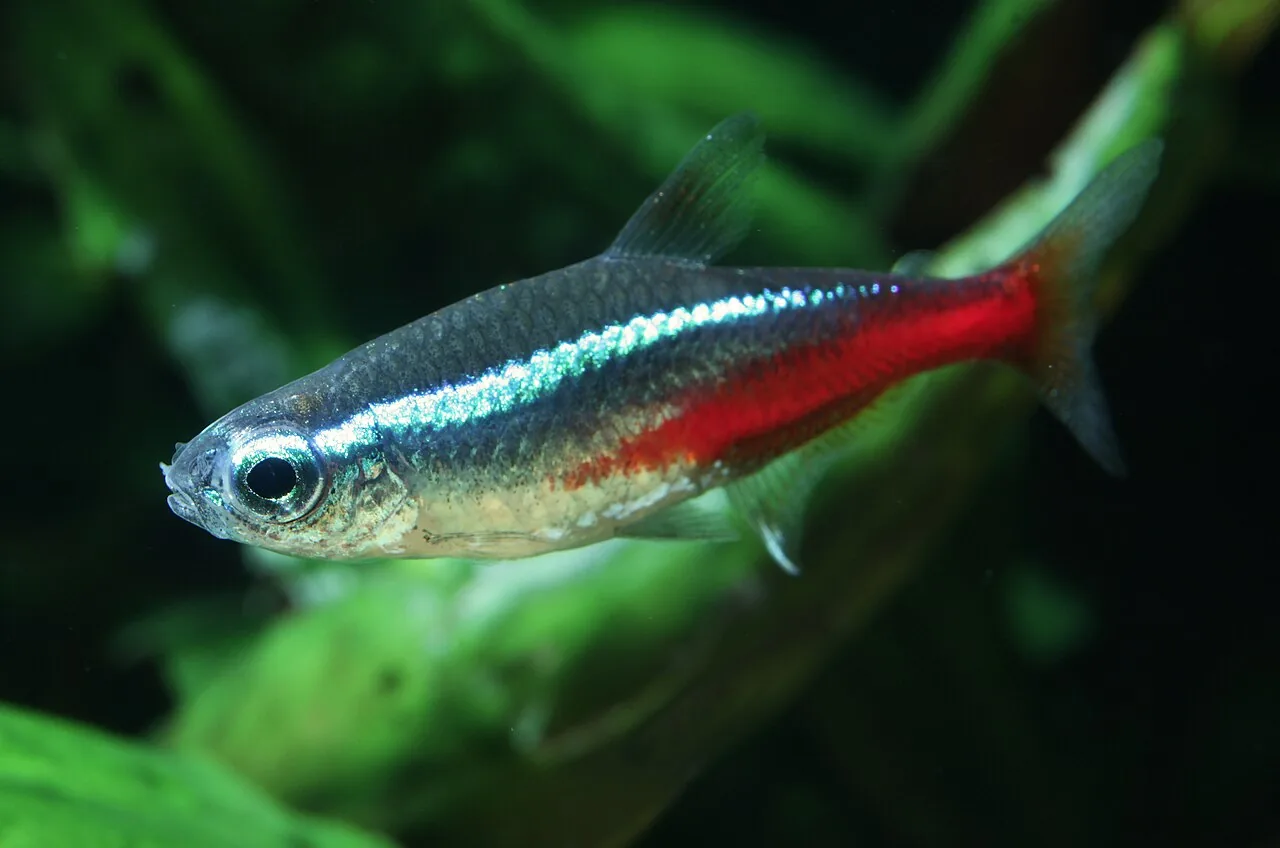
The short answer
Adult neon tetras and adult cherry shrimp coexist in a planted tank without trouble. The pairing has one specific failure mode: newly hatched shrimplets sit inside a neon tetra's prey-size window and get eaten if they cannot find cover. For a tank where colony growth is not a priority, this is a fine combination. For a tank where the shrimp population needs to multiply, the answer is dense moss cover for the babies, or swapping the neons for a less predatory fish like otocinclus. Stocking ratio matters too. Neon density on the lower side of normal and shrimp density on the higher side lets both populations run alongside each other indefinitely.
What the science says
Adult neon tetras (Paracheirodon innesi) reach about 3.5 to 4cm in the aquarium (FishBase). They are micropredators in the wild. Their natural diet is small invertebrates, insect larvae, and anything tiny enough to fit in the mouth. An adult cherry shrimp (Neocaridina davidi) at 2 to 2.5cm sits well above that threshold and registers as scenery rather than food.
Shrimplets are a different story. A freshly hatched Neocaridina davidi is around 1 to 1.5mm and looks like a slow-moving piece of debris. That is exactly what neons eat. There is no behavioural switch that teaches the fish to ignore them. Predation is the default response.
Shrimp colony dynamics work on overwhelming numbers. A bonded female cherry shrimp produces 20 to 30 eggs per clutch every 30 days. Even in a tank with mild predation pressure, enough shrimplets survive in dense moss to keep the colony stable. In a tank with heavy cover and a moderate neon school, the colony will grow.
What experienced keepers report
Across aquascaping forums and YouTube tank tours, the consistent pattern is the same. Tanks with thick moss and a moderate neon school produce shrimp colonies that grow visibly over six months. Tanks with sparse plants, strong flow, and a heavy fish stocking produce stable adult shrimp counts but no recruitment. Tanks with too few moss volume see colonies slowly shrink as adults age out without replacement. The trade-off curve is consistent enough that it can be predicted from tank setup alone.
The shrimplet survival trick
Cover and food are the two variables that decide whether a colony grows.
Cover means dense moss, ideally Taxiphyllum barbieri Southeast Asia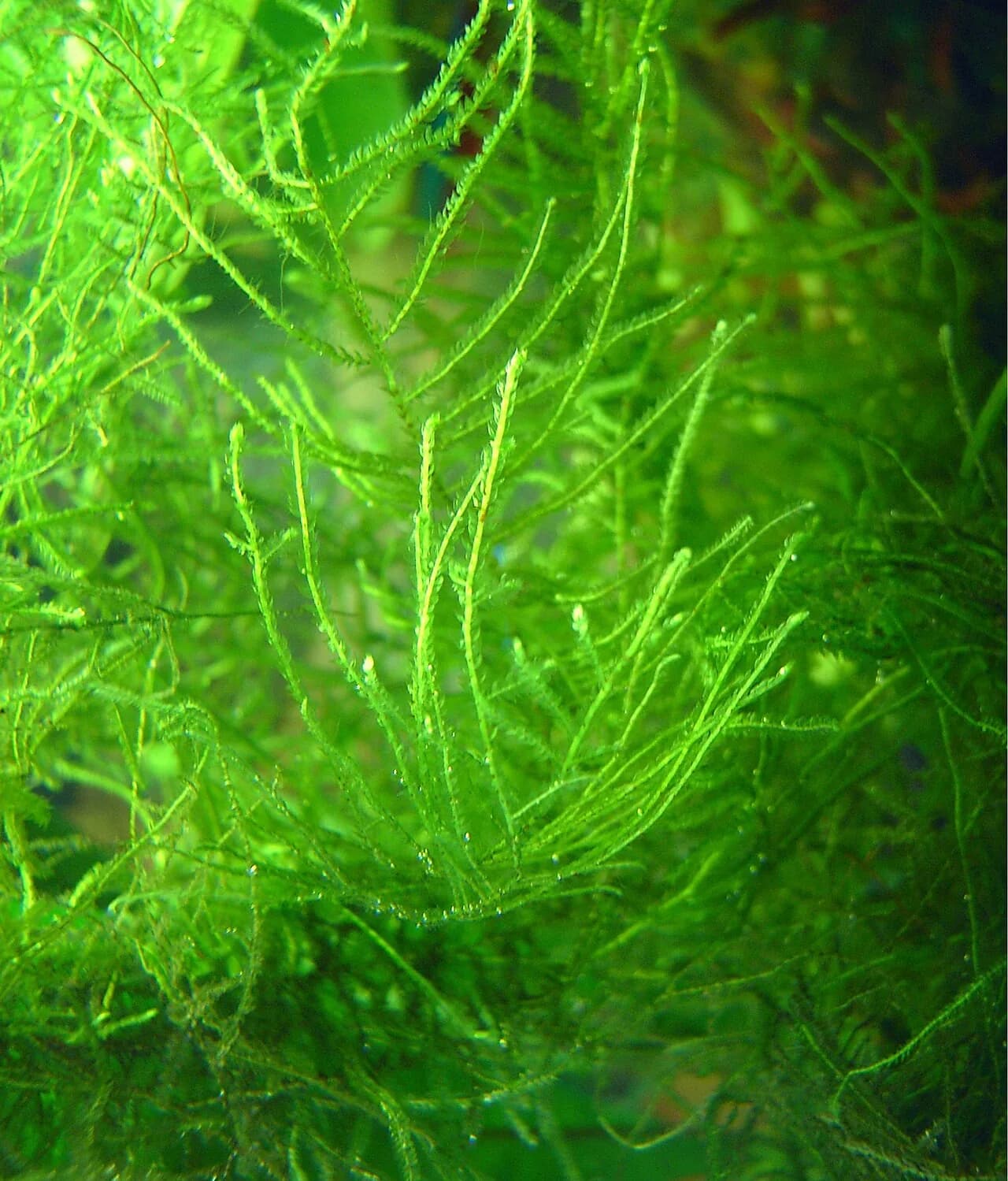
Java Moss
Food means biofilm and fine particulate. Cherry shrimp eat what falls past the fish, the algae that grows on hardscape, and anything biological that accumulates over time. Direct feeding is not required in a planted tank with a moderate fish bioload. The shrimp eat the leftovers.
Flow is the other variable. Strong directional current pushes shrimplets out into open water where the neons can pick them off. A sponge filter or a gentle canister return with a spray bar works. Powerheads cause problems.
Better fish for a dedicated shrimp colony
When the shrimp colony is the goal and the fish are secondary, three species do better than neons:
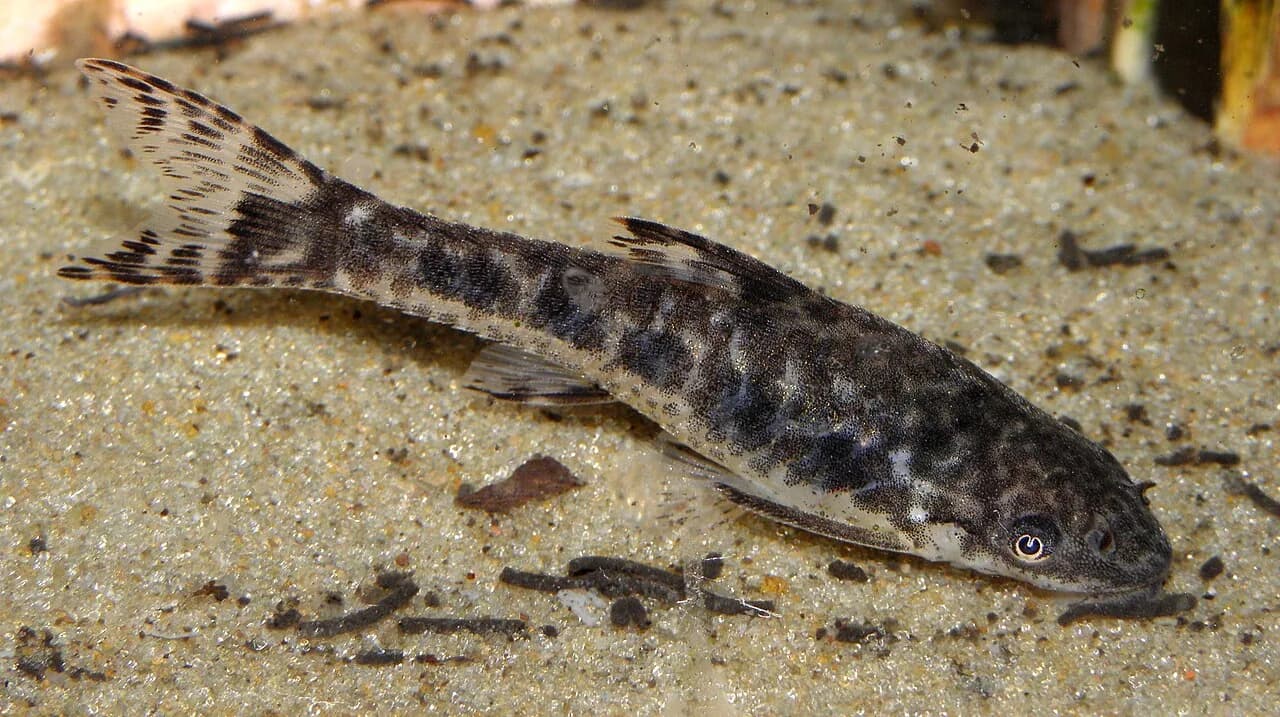
Otocinclus (Common)
Otocinclus vittatus
Northern and central South America
Otocinclus completely ignore shrimplets. They graze biofilm off the same surfaces the shrimp do, both species occupy similar parameter ranges (20 to 26 degrees Celsius, soft to moderate water, pH 6 to 7.5), and the visual pairing of orange shrimp and small grey grazing catfish is striking. The only requirement is a tank with biofilm already established (running it for at least three months before adding otos).
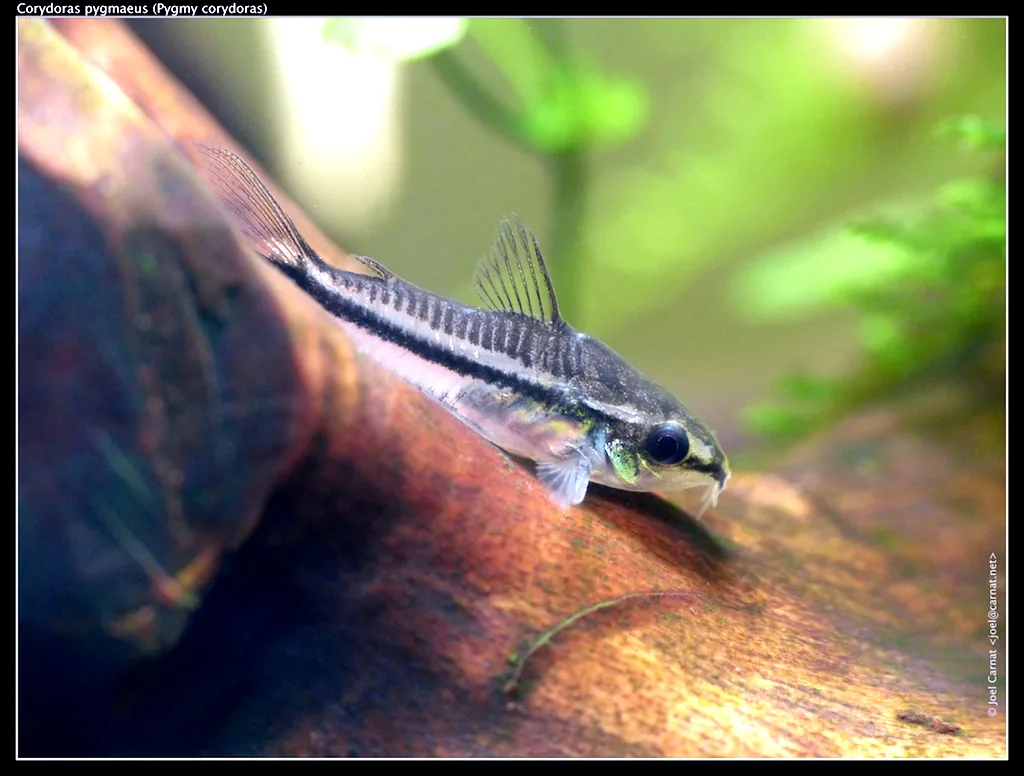
Pygmy Corydoras
Corydoras pygmaeus
Madeira River basin, Brazil
Pygmy corys are the second pick. They swim in mid-water shoals (unusual for the genus), top out at 2.5cm, and only target food once it hits the substrate. They occasionally take a shrimplet but the rate is far lower than with neons.
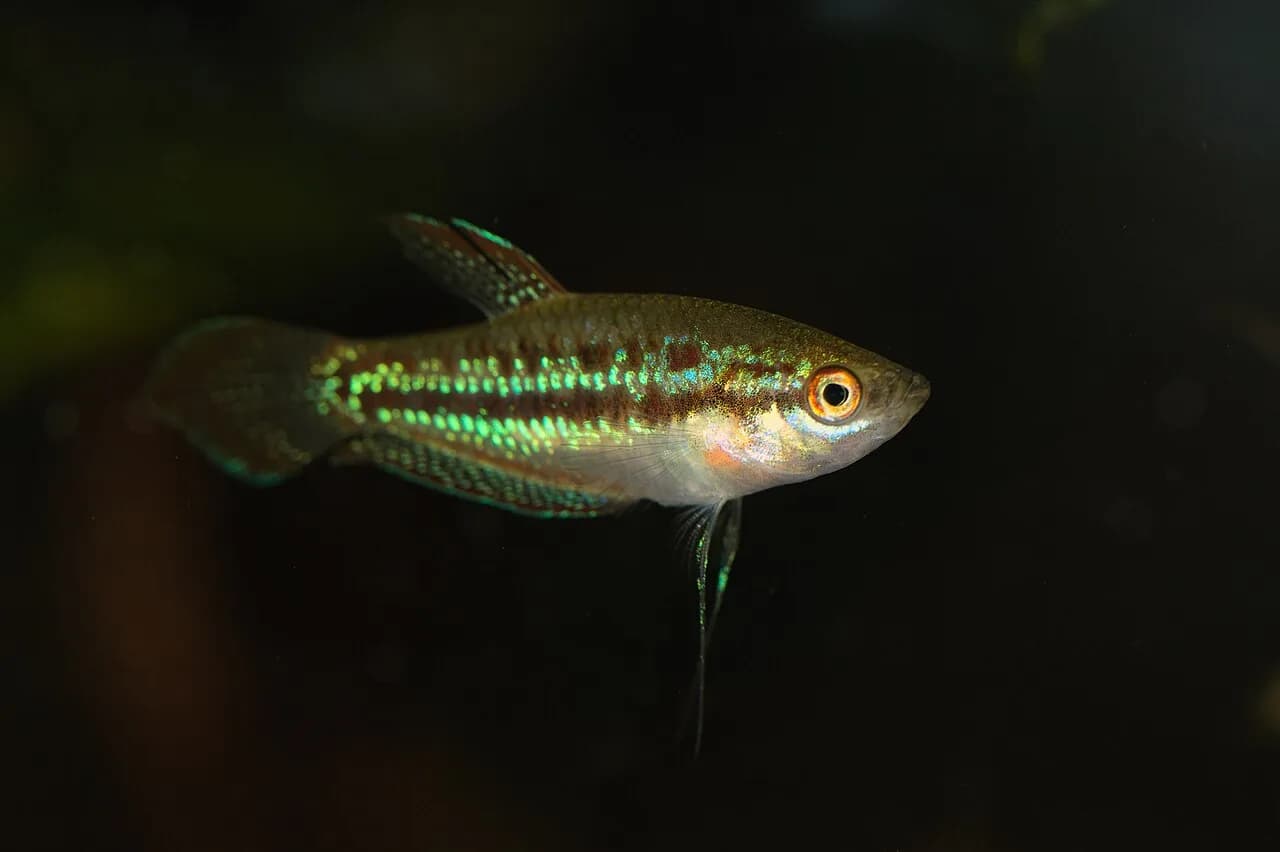
Sparkling Gourami
Trichopsis pumila
Southeast Asia (Mekong, Chao Phraya)
A trio of sparkling gouramis adds a centrepiece without the school pressure. They take some shrimplets but they hunt slowly and inefficiently. A well-covered tank with sparkling gouramis routinely produces growing shrimp colonies.
Stocking ratios that work
For a planted tank with both species, these numbers work in practice. The ratios should drop if the tank is heavily stocked with other fish.
- 40 litre tank: 8 neon tetras and a starter colony of 10 to 15 cherry shrimp. An extra wad of Java Moss helps before fish go in.
- 60 litre tank: 10 to 12 neons and 15 to 20 shrimp. Plant heavily, run a sponge filter.
- 100 litre tank: 15 to 20 neons and a colony of 30+ shrimp. At this volume, shrimplets have enough refuge that the colony grows visibly month over month.
The planner at /planner accepts a tank volume and pressure-tests other combinations.
What about other tetras?
The same logic applies to every nano tetra at different intensity levels.
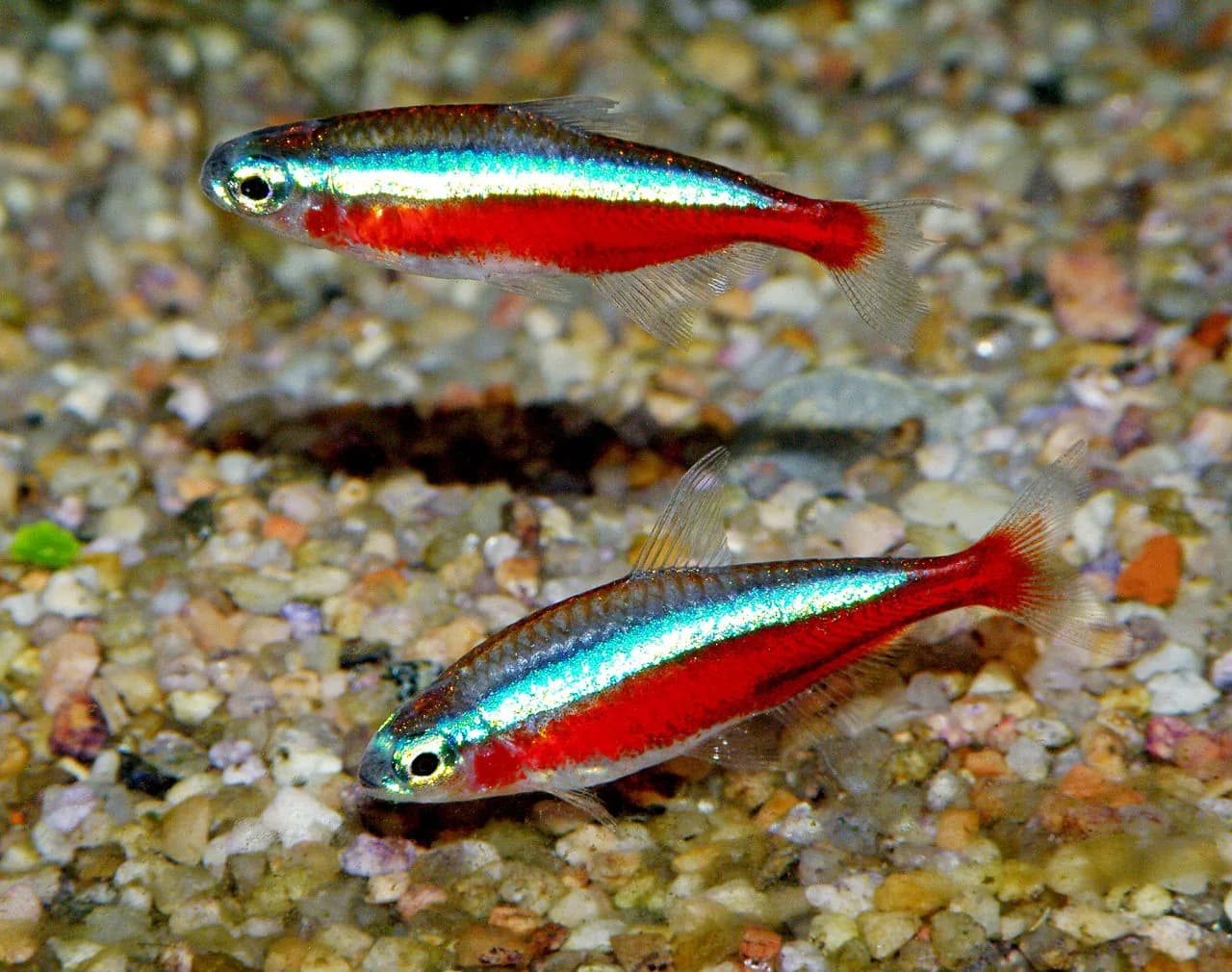
Cardinal Tetra
Paracheirodon axelrodi
Upper Orinoco and Rio Negro basins
Cardinal tetras are slightly bigger than neons (4 to 5cm) and slightly more predatory on shrimplets. The pairing works but with a higher cover requirement. See the neon vs cardinal comparison for the rest of the differences.
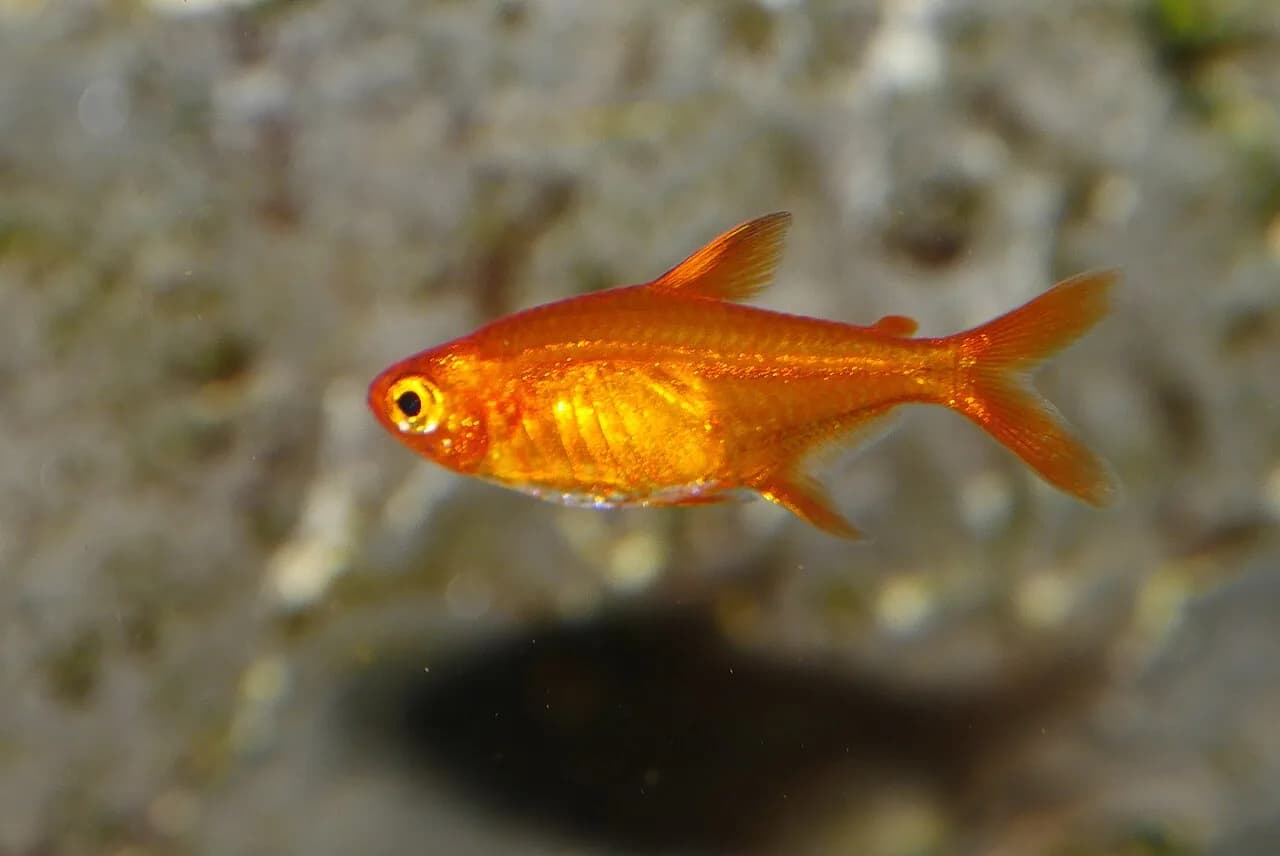
Ember Tetra
Hyphessobrycon amandae
Rio das Mortes basin, Brazil
Ember tetras are smaller (2cm) and only take the smallest shrimplets. The pairing with cherries is the most shrimp-friendly of the tetra options. See How many ember tetras should you keep together for the schooling math.
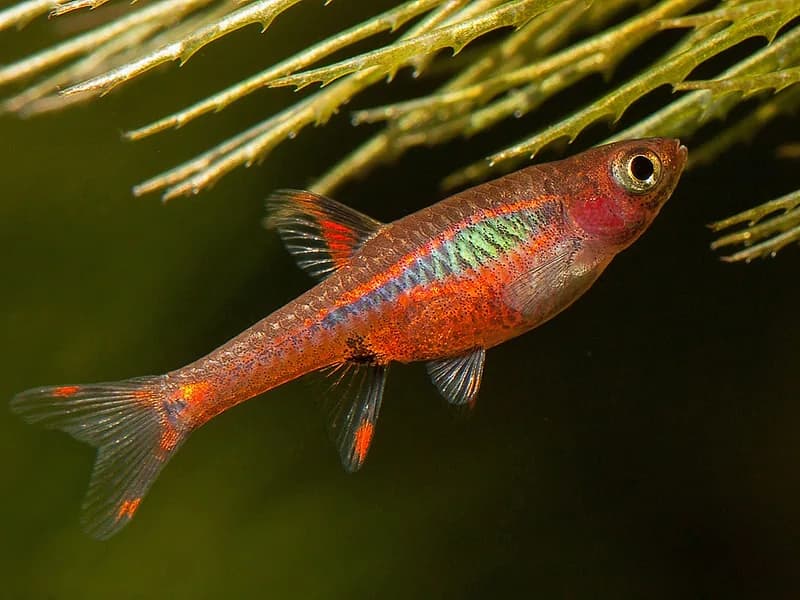
Chili Rasbora
Boraras brigittae
Southwestern Borneo blackwater swamps
Chili rasboras are even smaller (under 2cm) and almost never take shrimplets. For a colourful nano school in a dedicated shrimp tank, this is the safest fish in the catalogue. The trade-off is parameters: chilis want soft, acidic, blackwater conditions that cherries tolerate but do not love.
How to plan the rest of the tank
Once the two main species are picked, the compatibility tool will surface every plant, moss, and other species that overlaps with neon tetra parameters. The same tool anchored to cherry shrimp shows the same intersection from the shrimp side. Cross-checking both gives a clean list of safe co-residents.
For a complete worked stocking with neons, shrimp, and a community plant scape, see Stocking a 60 litre community planted tank.
Sources
Frequently asked questions
Direct answers to the questions search engines and AI assistants surface most often about this species.
Will neon tetras eat baby cherry shrimp?
Yes. Newly hatched shrimplets are roughly 1mm long, well within a neon tetra's prey size. Adult cherry shrimp around 2 to 2.5cm are too large for a neon to swallow and are ignored. For the colony to grow, the shrimplets need dense cover (Java Moss is the classic choice) or the population will stay flat as the adults age out.
How many neon tetras can fit with shrimp in a 40 litre tank?
Six to eight neons work in a 40 litre planted tank alongside a cherry shrimp colony. Below six the neons stop schooling properly. Above ten in 40 litres and shrimp predation pressure goes up enough that the colony stops growing even with cover.
Do cherry shrimp do better with otocinclus or neon tetras?
Otocinclus, by a wide margin. Otos ignore shrimplets entirely. Neons hunt them when they spot one. If breeding the shrimp colony is the goal, pick otos.
What moss is best for hiding baby shrimp?
Java Moss. Its dense, untidy structure traps biofilm (the shrimplets' first food) and gives the babies somewhere predators cannot reach. Christmas Moss works too but is slightly less dense; Java is the standard pick for a dedicated shrimp tank.
Will the tetras and shrimp stress each other out?
No. Both species prefer dim, planted, slow-flow water and ignore each other in a well-set-up tank. The adult shrimp will sometimes graze right next to the school. The interaction problems only show up at the shrimplet stage.