
List article
How to Grow Red Aquarium Plants (and Keep Them Red)
Why aquarium plants turn red, and how to grow and keep vivid red plants, the light, CO2, iron and nitrate balance that brings out colour, plus the easiest red plants.
Updated 3 min read
Part of our complete planted-aquarium guide.
The short answer
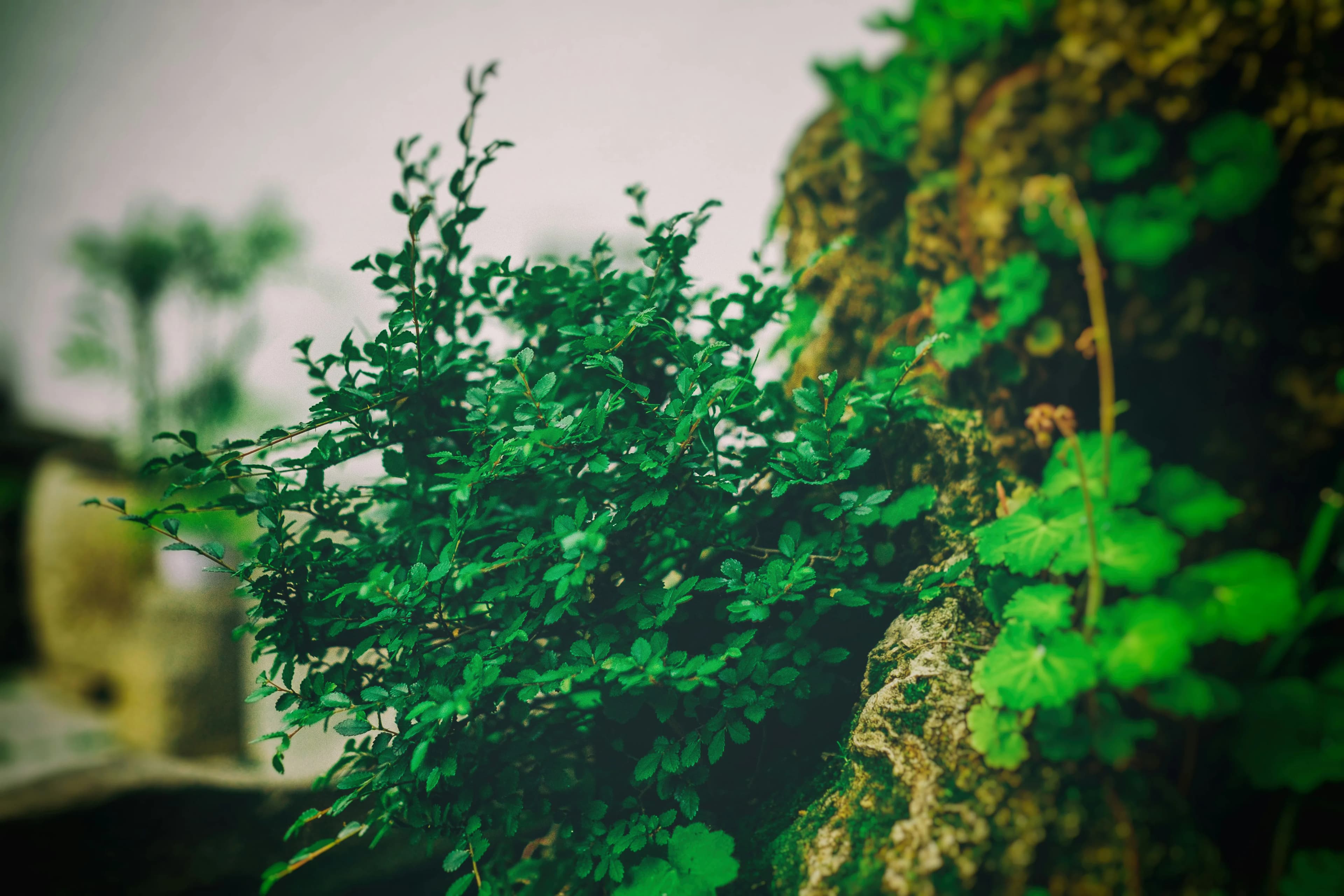
Red plants turn red as a defence against strong light, so the number one lever for colour is light intensity, not iron, whatever the marketing says. Strong light drives the red pigments; CO2 lets the plant handle that strong light without stalling; and iron plus a full micronutrient supply, often with slightly lean nitrogen, lets the colour fully express. Get light and CO2 right first, keep iron and trace topped up, run nitrate a touch lean, and reds glow. Get them wrong and the same plant grows green. Start with a forgiving red like Ludwigia and work up to the demanding stunners.
Why plants turn red
The red and orange pigments in aquarium plants (anthocyanins and carotenoids) act like sunscreen, protecting the leaf from strong light. A plant only bothers making them when the light is intense enough to need them. In dim light, the plant makes only green chlorophyll, because that is all it needs. So the same stem that is deep red under a bright fixture will grow plain green under a weak one. This is why "why are my red plants green" almost always comes down to light.
The recipe for red
Colour is a stack, and each layer matters in order:
- Strong light. This is the trigger. Without enough light reaching the plant, nothing else brings out red. See lighting for PAR.
- CO2. Strong light without CO2 just stalls the plant and grows algae. CO2 lets the plant use the light it is given. This is why serious reds live in high-tech tanks.
- Iron and full trace. Reds are hungry for iron and micronutrients. Under-dose and the colour fades to yellow-green in the new growth. Dose a complete fertiliser or a dedicated trace mix.
- Lean nitrogen. Running nitrate slightly low tips the balance toward red pigments in many species. Push it too far and you get pale, deficient old leaves, so it is a fine line, not a starvation diet.
The easiest reds
Start here if you are new to red plants. These show colour without a perfect high-tech setup.
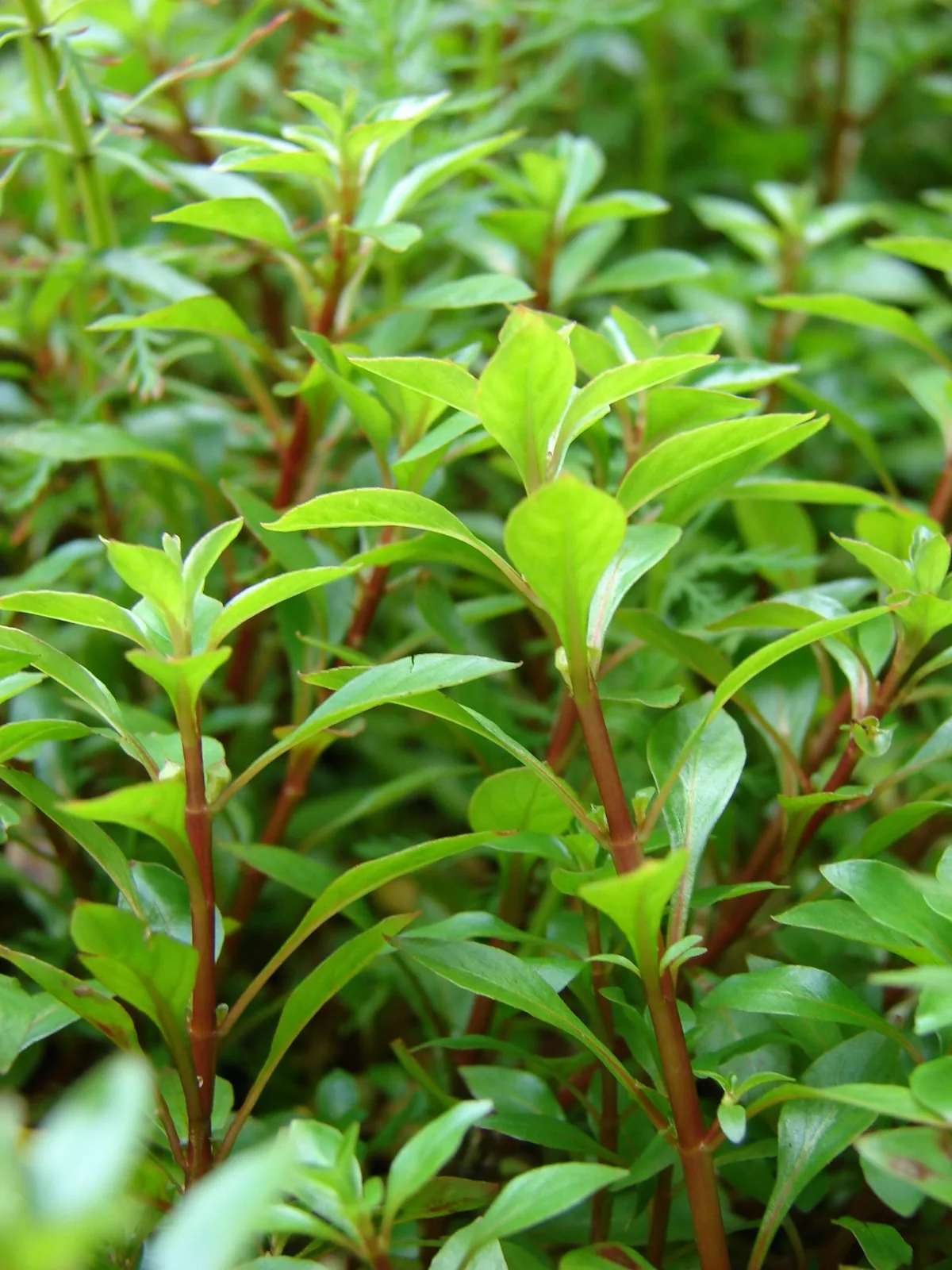
Ludwigia 'Super Red'
Ludwigia palustris 'Super Red'
Selectively bred from L. palustris (global temperate)
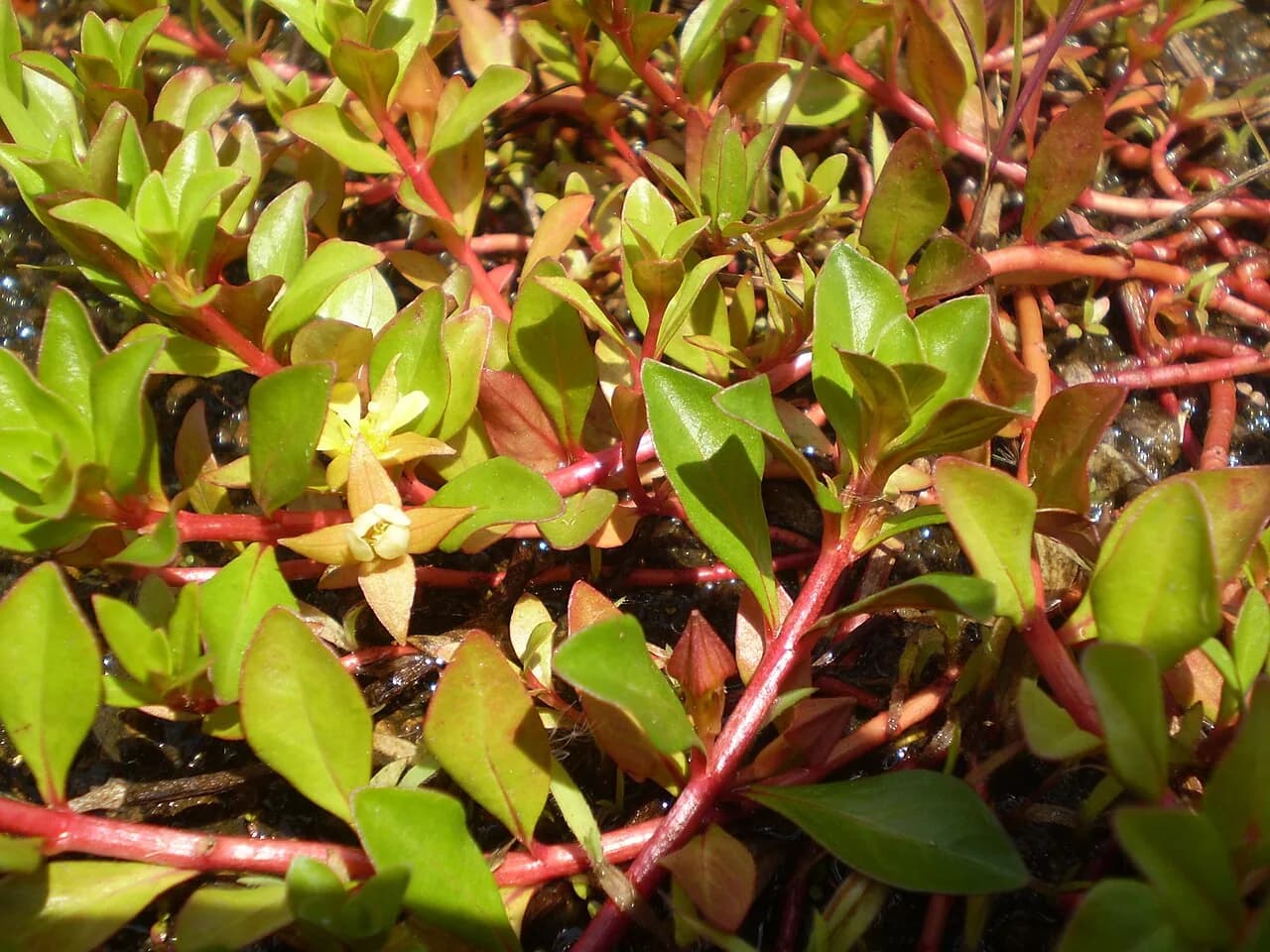
Ludwigia Repens
Ludwigia repens
Central America to southern USA
The Ludwigias are the forgiving reds: bronze-red even in medium light, deep red with strong light and CO2. A great first red.
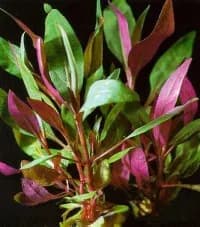
Alternanthera Reineckii 'Mini'
Alternanthera reineckii 'Mini'
Selectively bred cultivar (South American parentage)
Alternanthera reineckii 'Mini' brings a pink-red, compact and relatively hardy, a superb midground splash of colour.
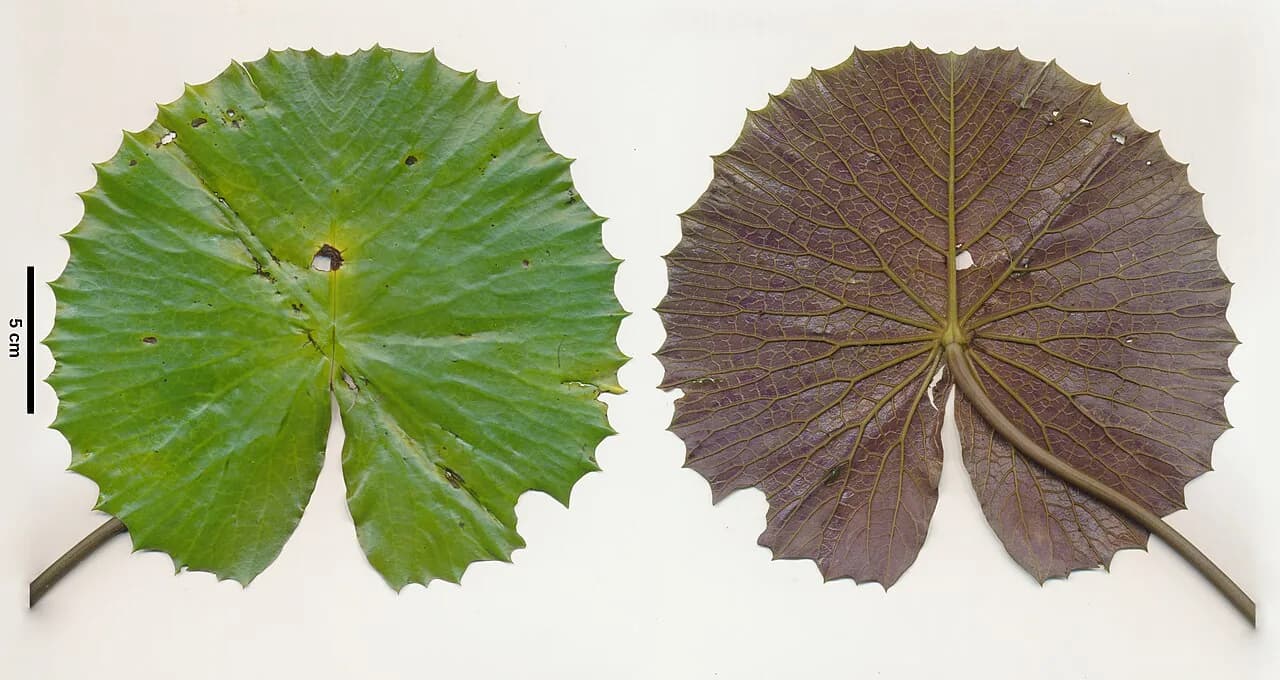
Red Tiger Lotus
Nymphaea zenkeri
West Africa (Cameroon)
The red tiger lotus is a bulb plant that throws up striking red-and-green leaves, and it colours up well even in more modest tanks.
The demanding stunners
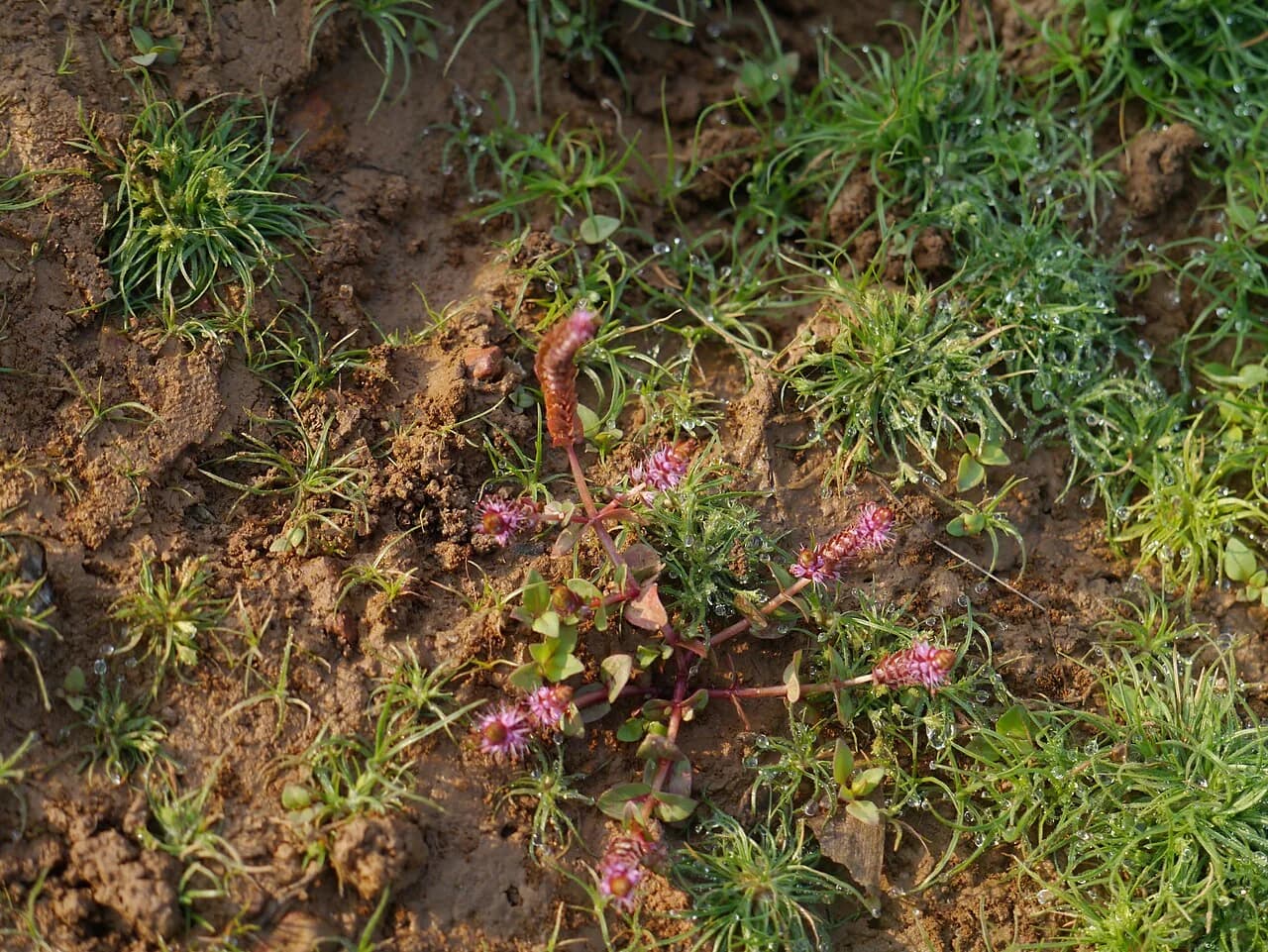
Rotala Macrandra
Rotala macrandra
India
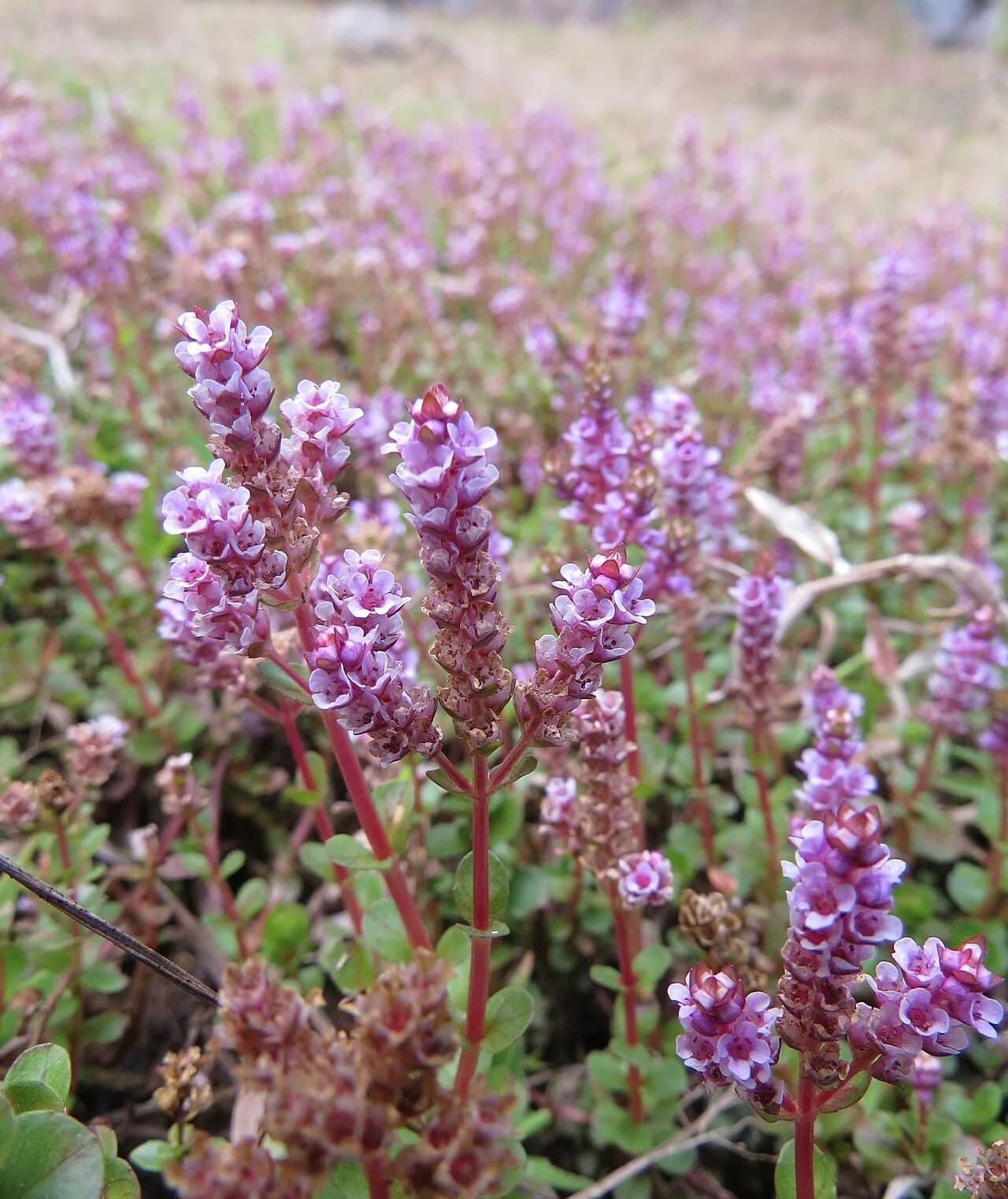
Rotala 'H'ra'
Rotala rotundifolia 'H'ra'
Selectively bred cultivar (Vietnam origin)
Rotala macrandra ('Red') and Rotala 'H'ra' are the plants that make people fall in love with reds, and the ones that punish any weakness. They need strong light, stable CO2 and good dosing, and they are the first to pale and stunt if any of those slip. Grow the easy reds well before you reach for these.
Troubleshooting
- Red plants going green: more light first, then check CO2. See iron deficiency if new growth is pale.
- Pale, washed-out new growth: an iron or trace shortage. Dose a complete fertiliser.
- Reds stunting or melting: unstable or insufficient CO2, or light too strong for the CO2 you supply.
- Old leaves yellowing while you chase colour: you have pushed nitrogen too lean. Ease off.
FAQ
The quick answers are above. To go deeper, read iron deficiency, the CO2 setup guide, and low-tech vs high-tech.
Frequently asked questions
Direct answers to the questions search engines and AI assistants surface most often about this species.
Why are my red aquarium plants turning green?
Not enough light, and usually not enough CO2 either. Red pigments are the plant's sunscreen, produced under strong light. In dim light the plant makes only green chlorophyll. Increase light intensity (and CO2 to let the plant use it), and the reds return in the new growth.
Do you need CO2 to grow red plants?
For deep, reliable reds, effectively yes. Strong light drives the red colour, and CO2 is what lets the plant handle that strong light without stalling. A few hardier red plants show some colour without CO2, but the vivid, demanding reds need it.
Does iron make aquarium plants red?
Iron helps, but it is not the main lever. Light is. Iron and a full micronutrient mix let a plant express colour, but iron on its own in a dim, low-CO2 tank will not turn a plant red. Think light first, then CO2, then nutrients including iron.
Does low nitrate make plants redder?
Yes, in many species. Running nitrogen slightly lean shifts the balance toward red pigments, which is a deliberate technique some aquascapers use. Push it too far, though, and you get pale, deficient old leaves instead of colour, so it is a fine line.
What is the easiest red aquarium plant?
Ludwigia repens and Ludwigia 'Super Red' are the most forgiving reds, showing bronze-red tones even in medium light, and deep red with strong light and CO2. Alternanthera reineckii 'Mini' is another relatively hardy red. The vivid Rotala macrandra is the beautiful but demanding end of the scale.