
Tank setup
How to Attach Plants to Driftwood and Rock
How to attach anubias, java fern, bucephalandra and moss to driftwood and stone, using glue or thread, why you must never bury the rhizome, and how to make moss carpet a surface.
Updated 3 min read
Part of our complete hardscape guide.
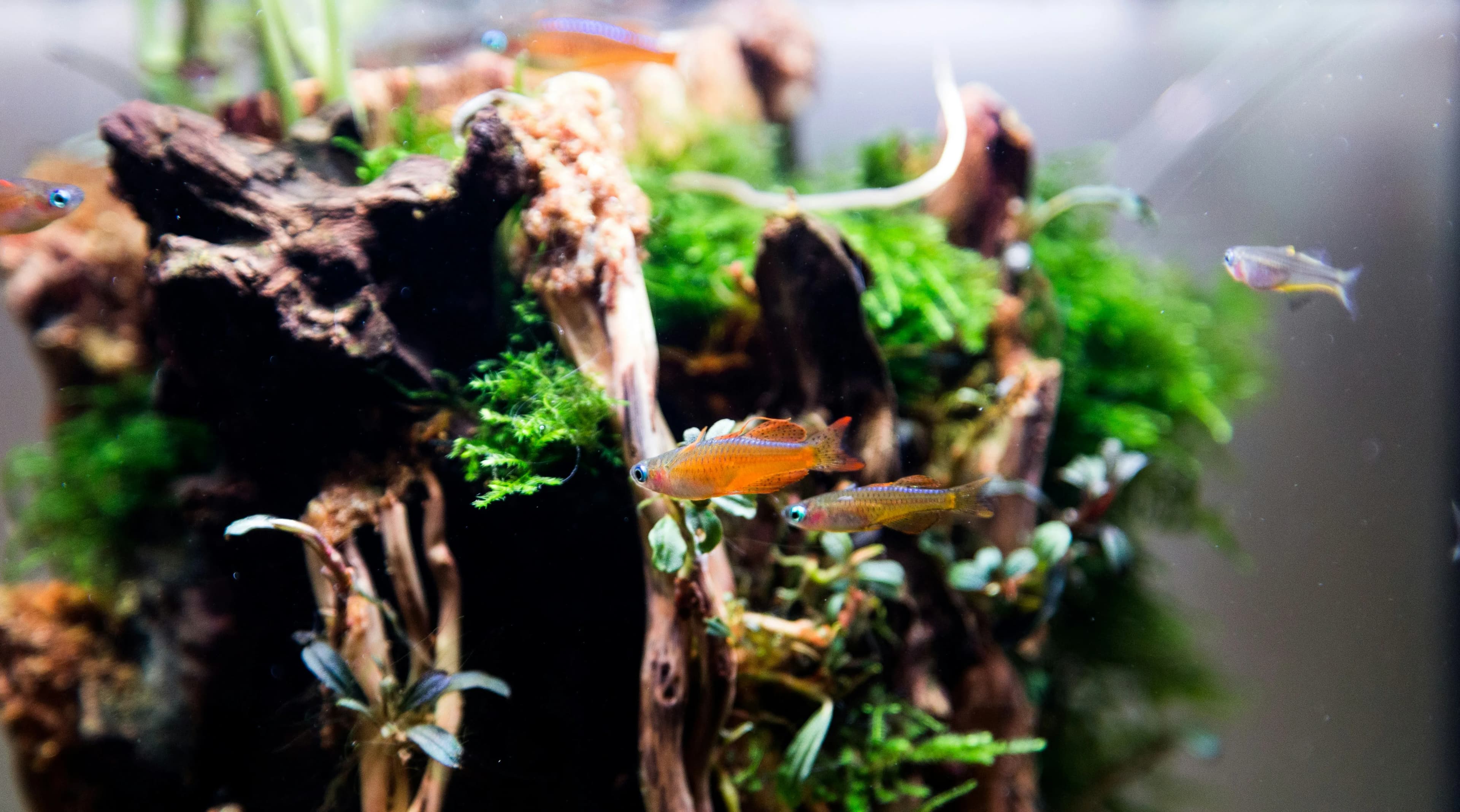
The short answer
Some of the best aquarium plants do not go in the substrate at all, they attach to hardscape. Anubias, java fern, bucephalandra and mosses are epiphytes: they grow from a rhizome or creep over surfaces and feed from the water. You attach them with either a dab of superglue gel (fast) or a wrap of cotton thread (traditional), always keeping the rhizome exposed and never buried. Within a few weeks they grip on with their own roots. This is how you get plants growing up driftwood and across stone, the signature look of a natural aquascape.
Which plants attach
Only epiphytes attach to hardscape. Trying to glue a stem plant or a rosette plant will not work, they need substrate. The classic attachers are:
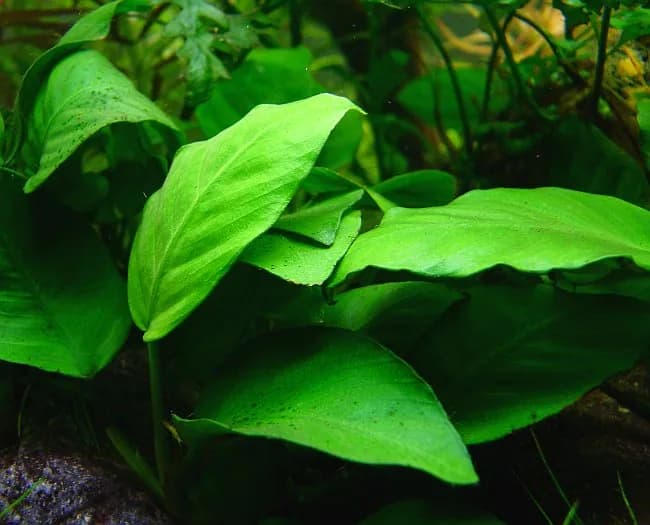
Anubias Barteri Nana
Anubias barteri var. nana
West Africa (Cameroon)
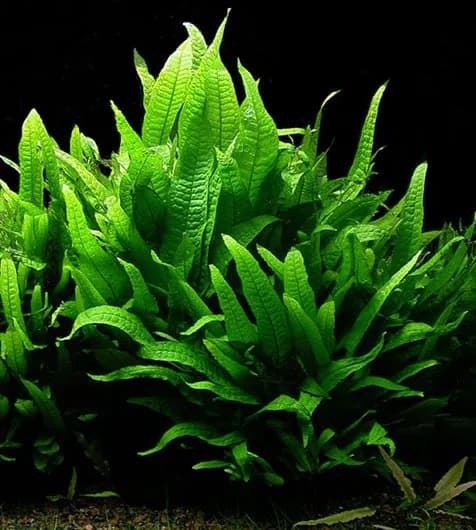
Java Fern
Microsorum pteropus
Southeast Asia
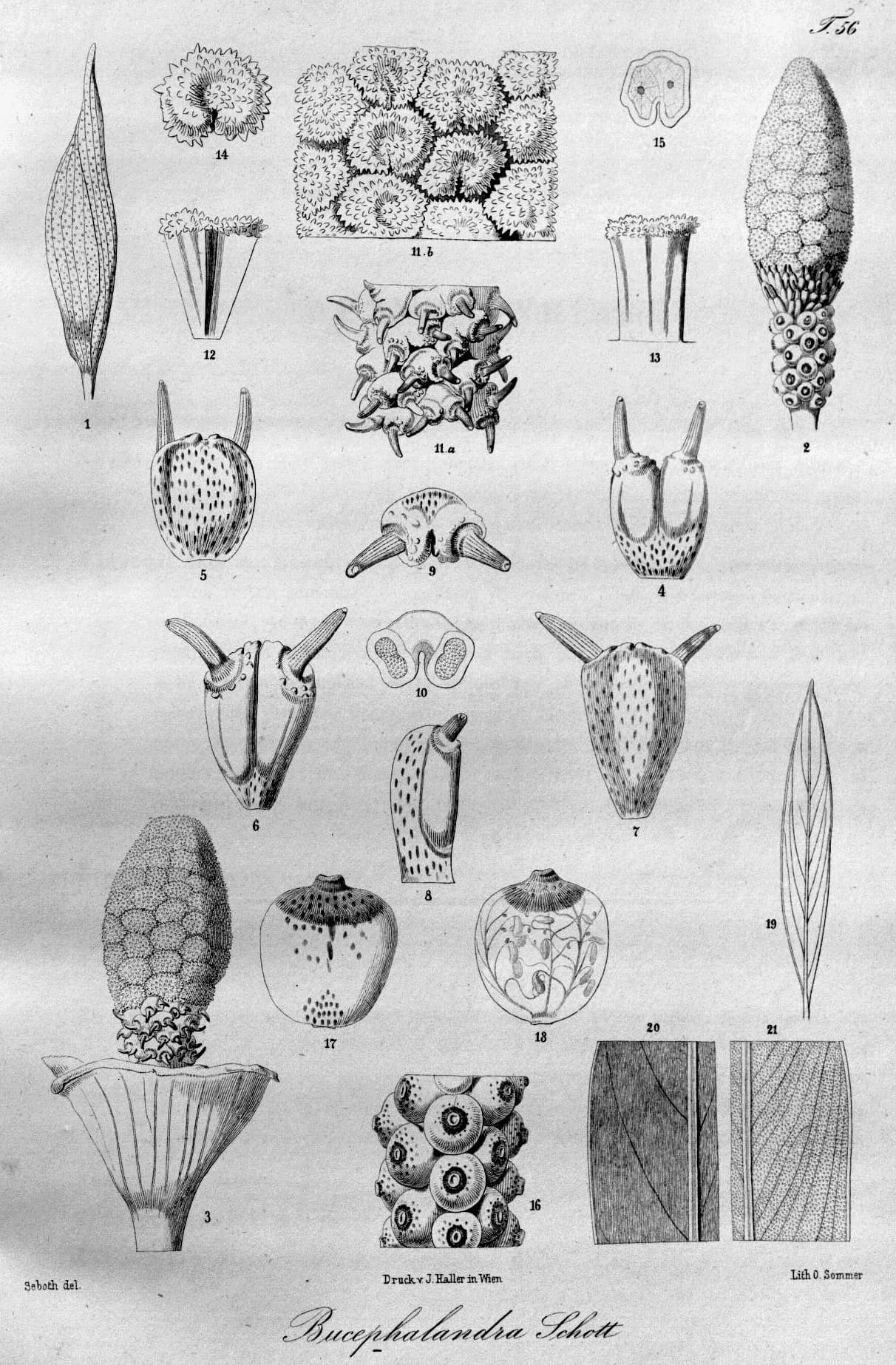
Bucephalandra (mixed)
Bucephalandra sp.
Borneo (rheophytic)
Anubias, java fern (and cultivars like Windelov and Trident) and bucephalandra all grow from a horizontal rhizome, the thick green stem the leaves and roots sprout from. The golden rule: never bury the rhizome, or it rots. Attach it to wood or stone with the rhizome fully exposed.
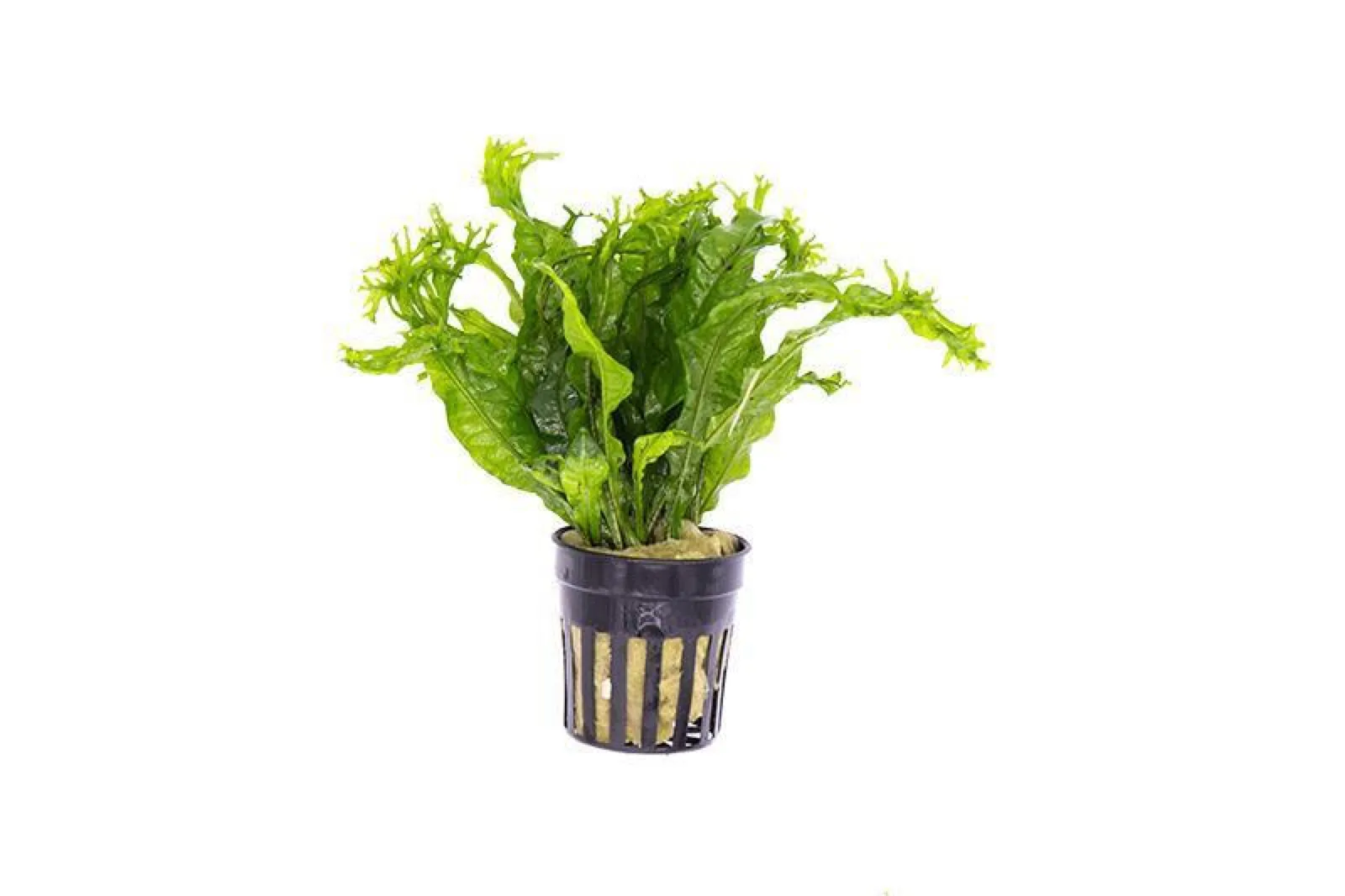
Java Fern 'Windelov'
Microsorum pteropus 'Windelov'
Selectively bred cultivar (originated in Denmark)
Mosses attach differently, they simply creep over any surface you fix them to.
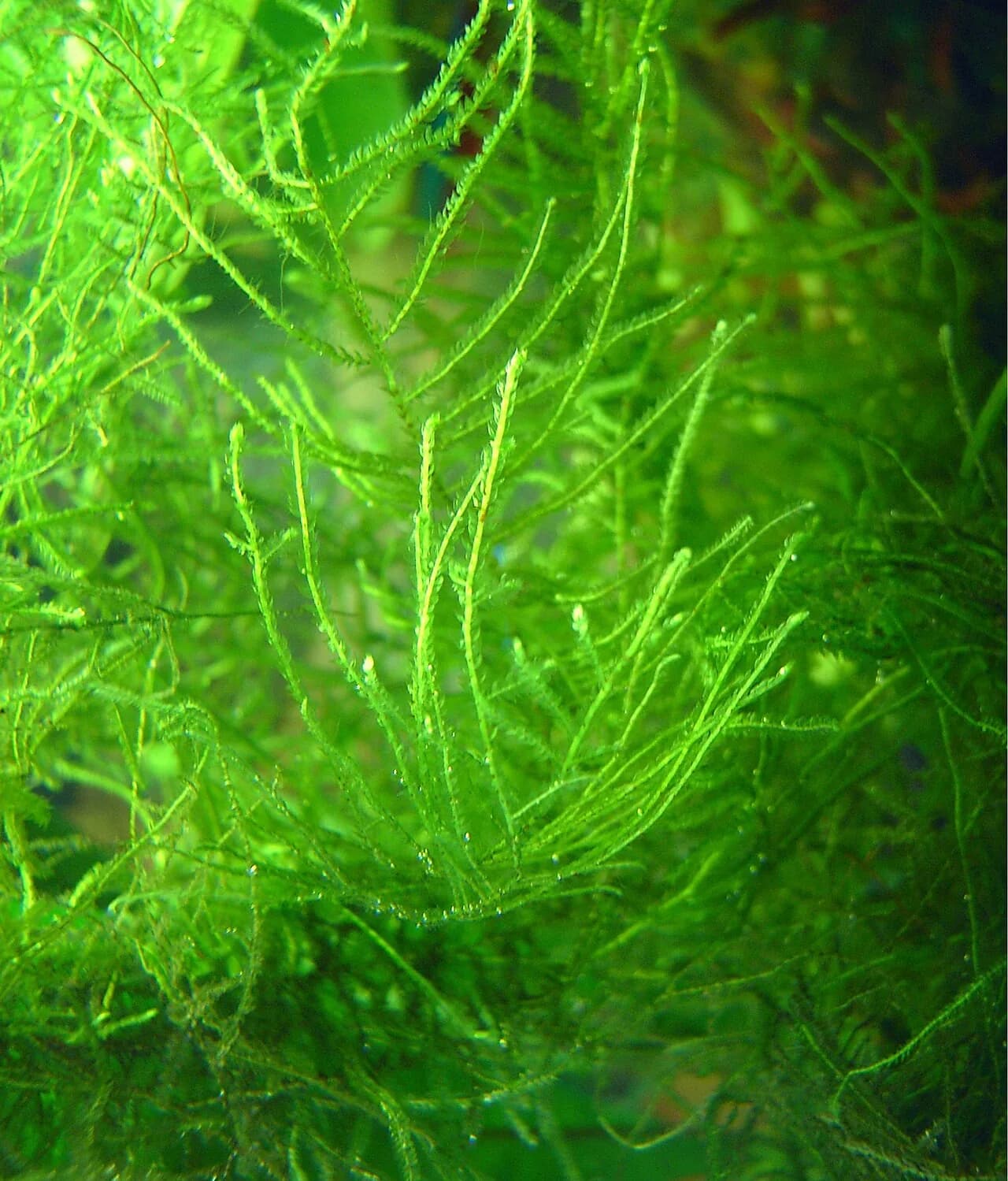
Java Moss
Taxiphyllum barbieri
Southeast Asia
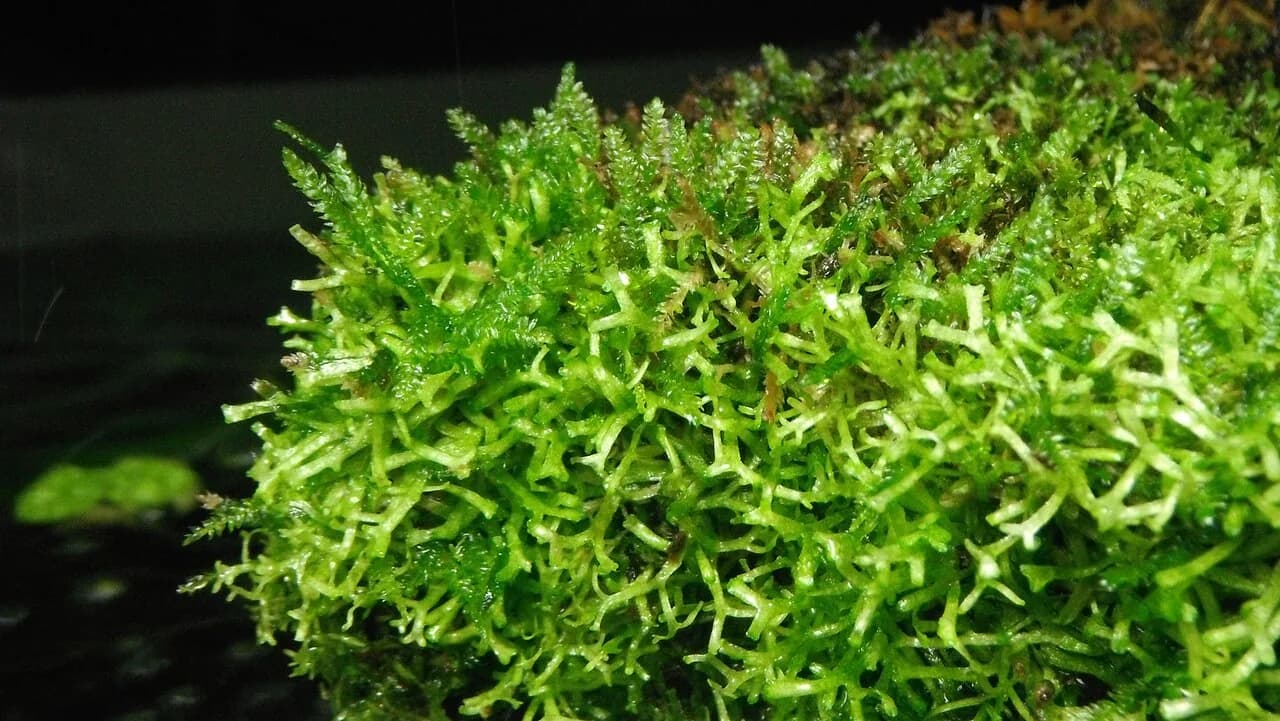
Christmas Moss
Vesicularia montagnei
Asia (tropical)
Method 1: superglue gel (fast)
The quickest, most reliable method. Cyanoacrylate gel, plain superglue gel, is inert once cured and completely aquarium-safe. Use the gel, not the runny liquid.
- Take the plant out and pat the attachment point (the rhizome, or a bare root) dry-ish.
- Put a small dab of gel on the rhizome or the spot on the wood or stone.
- Press the plant onto the hardscape and hold for a few seconds.
- Done. It holds instantly, and the plant grows its own attachment roots over the next month.
The gel turns white where it contacts water, which is normal and hides once the plant grows over it. Keep glue off the leaves and off the growing tip of a rhizome.
Method 2: thread or fishing line (traditional)
If you would rather not glue, tie the plant on.
- Hold the rhizome against the wood or stone.
- Wrap cotton thread or clear fishing line around both, snugly but not crushing.
- Tie it off. Over three to six weeks the plant grips on with its own roots.
- Cotton thread rots away on its own; fishing line is inert and can stay or be snipped out once the plant has attached.
Attaching moss
Moss makes a surface, so it is worth doing well. Spread a thin layer over the wood or stone, a thick clump rots and dies underneath. Fix it with tiny spots of superglue gel dotted across the surface, or tie it on with cotton thread wound back and forth. Then trim it as it grows, which pushes it to branch and form a dense, flat carpet rather than long stringy growth. Moss-covered wood is one of the fastest ways to make a new scape look mature. See java moss vs christmas moss to choose.
Placement tips
- Attach anubias and ferns at an angle so the leaves catch the light and face the front.
- Cover a rhizome's bare roots in a shaded nook, they will hide themselves as they grip.
- Build up layers: moss low and creeping, anubias and buce as mid accents, java fern reaching up.
- Think about the composition as you attach, epiphytes on hardscape are how you soften and green a scape without touching the substrate.
FAQ
The quick answers are above. Next, see how to plant an aquarium for the substrate plants, and the hardscape database for choosing wood and stone.
Frequently asked questions
Direct answers to the questions search engines and AI assistants surface most often about this species.
How do you attach aquarium plants to wood?
Two ways. Superglue gel (cyanoacrylate) is fastest: a dab on the rhizome or a bare root, press onto dryish wood, hold a few seconds. Or tie the plant on with cotton thread or fishing line and let it grip over a few weeks. Both work for anubias, java fern, bucephalandra and moss.
Is superglue safe for aquariums?
Yes. Cyanoacrylate gel (plain superglue gel, the same active ingredient) is inert once cured and completely safe underwater. It is the standard way aquascapers attach epiphytes and moss. Use the gel, not the runny liquid, and it even cures underwater.
Why can't I plant anubias in the substrate?
Anubias, java fern and bucephalandra grow from a horizontal rhizome, and if you bury that rhizome it rots and the plant dies. They are epiphytes that take nutrients from the water, so they must be attached to wood or rock with the rhizome fully exposed.
How do you attach moss to rock or wood?
Spread a thin layer of moss over the surface and either dab it down with tiny spots of superglue gel or tie it on with cotton thread. Keep the layer thin, a thick clump rots underneath. Trim it as it grows to encourage a dense, flat carpet.
How long until attached plants grip on their own?
A few weeks. Glued plants hold instantly but grow their own attachment roots over a month or so. Tied plants grip in three to six weeks, after which you can remove cotton thread (it rots away anyway) or leave inert fishing line in place.