
Tank setup
How to Plant an Aquarium: Technique by Plant Type
How to plant every type of aquarium plant, stems, carpets, rosettes, epiphytes, bulbs and mosses, with the right technique for each and the mistakes to avoid.
Updated 3 min read
Part of our complete planted-aquarium guide.
The short answer
There is no single way to plant an aquarium, because different plants grow in different ways. Push stem plants and rosette plants into the substrate one at a time with tweezers, keeping the crown at the surface. Glue or tie epiphytes like anubias and java fern to hardscape and never bury the rhizome. Rest bulbs on top of the substrate. Tie or glue mosses to wood and rock. Do all of it while the tank is filled just above the substrate, so the water is shallow, the plants stay put and you can see what you are doing. Get the technique right for each type and almost everything else about planted tanks gets easier.
Before you plant
New plants arrive in a few forms, and each needs a quick prep.
- Potted plants in rock wool: pop the plastic pot off and gently tease the rock wool out of the roots. It can trap waste and rot if left in.
- Tissue-culture cups: rinse the gel off the roots and separate the clump into many small portions.
- Bunched stems held by a lead weight: remove the weight and the band, and split the bunch into individual stems.
Always plant while the tank is only shallow-filled, an inch or two of water above the substrate. Damp and shallow keeps the substrate in place and the plants visible.
Stem plants: one at a time
Stem plants grow as cut stems that root where they are planted. The rule is to plant each stem individually, not as a bunch, so light and water reach every one.
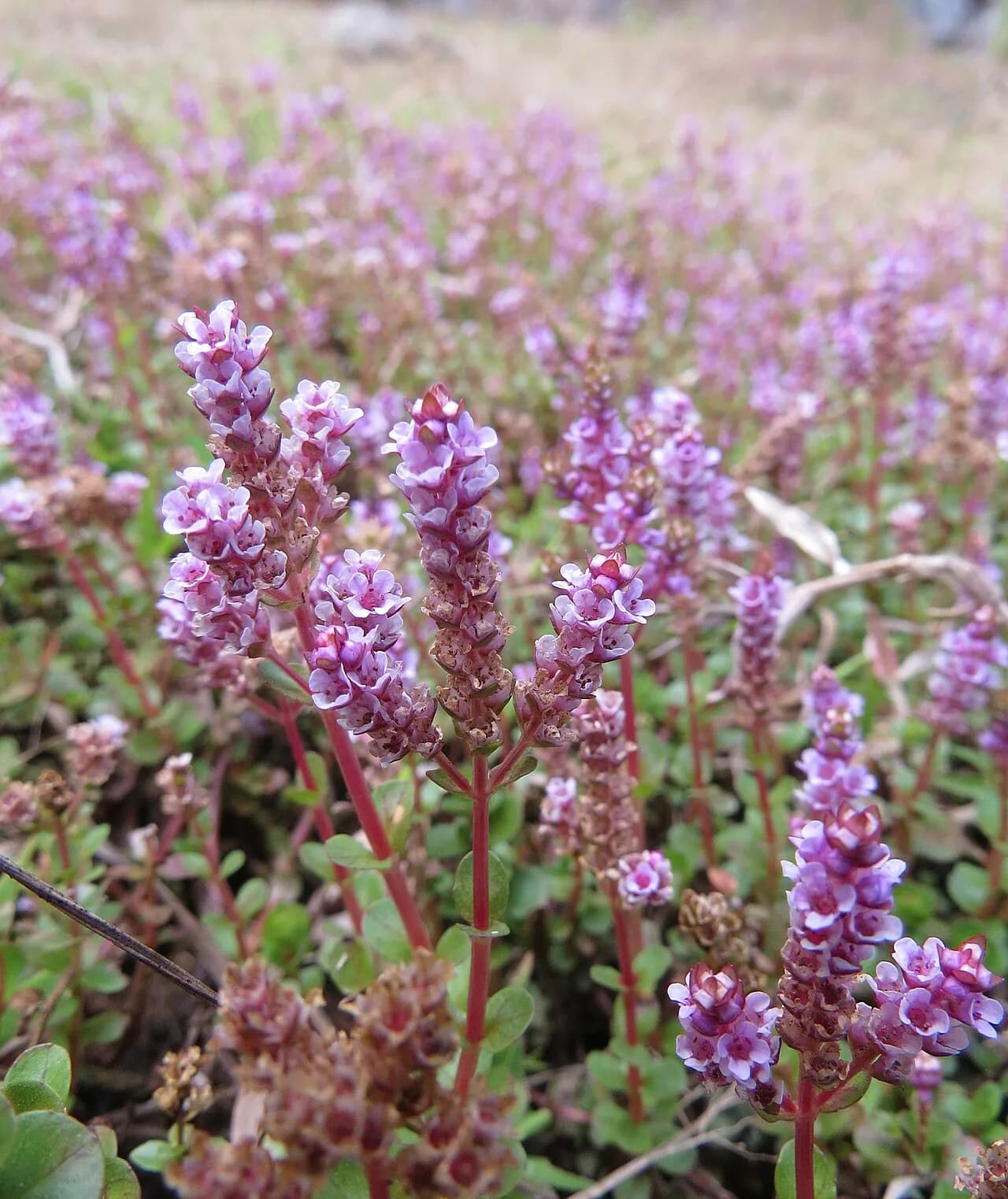
Rotala Rotundifolia
Rotala rotundifolia
Southeast Asia
Strip the leaves off the bottom centimetre of each stem, grip it low with tweezers, and push it a couple of centimetres into the substrate at a slight angle. Space stems a finger-width apart and let them grow into a bush. If they keep floating up, you planted too shallow, push a touch deeper and let the new roots anchor them.
Rosette plants: keep the crown clear
Rosette plants like crypts and swords grow from a central crown. Bury the roots, but keep the crown, where the leaves emerge, at or just above the substrate. Bury the crown and it rots.
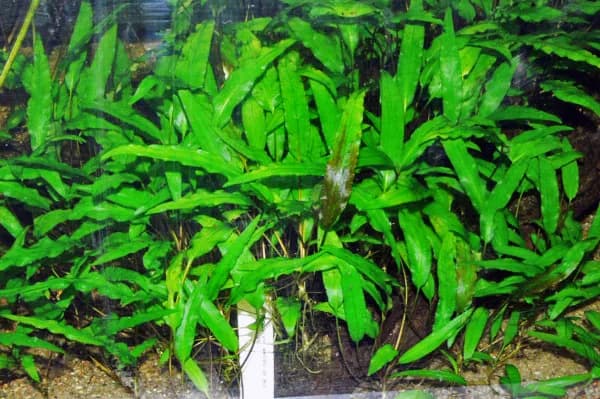
Cryptocoryne Wendtii
Cryptocoryne wendtii
Sri Lanka
These are heavy root feeders, so push a root tab into the substrate near the roots, or plant them in aquasoil. Do not panic if a crypt melts after planting, it regrows from the roots.
Epiphytes: attach, never bury
Anubias, java fern and bucephalandra are epiphytes: they grow from a horizontal rhizome and take nutrients from the water, not the substrate. Burying the rhizome kills them.
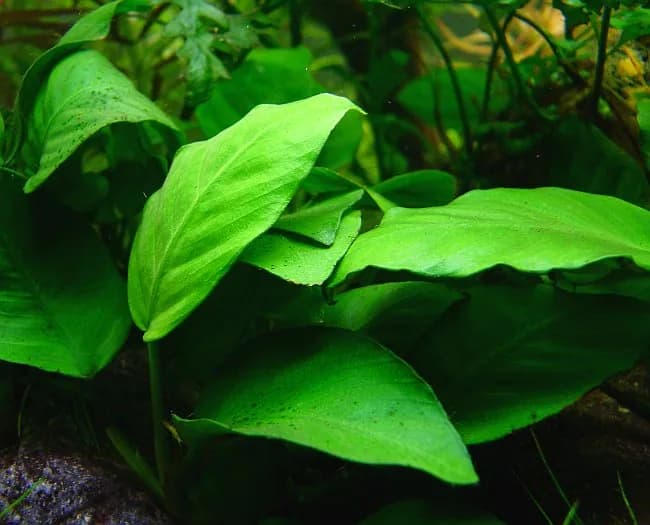
Anubias Barteri Nana
Anubias barteri var. nana
West Africa (Cameroon)
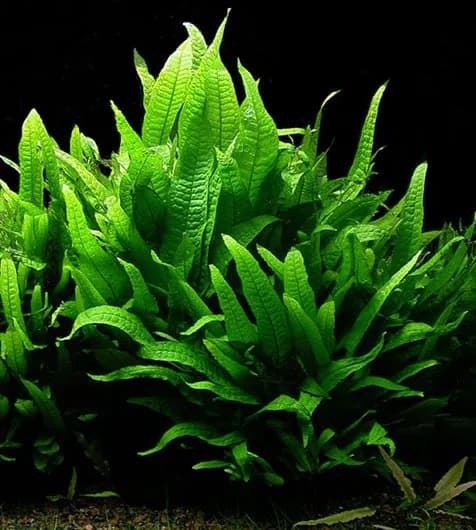
Java Fern
Microsorum pteropus
Southeast Asia
Attach them to hardscape instead. Two ways:
- Glue: a dab of cyanoacrylate gel (superglue gel) on the rhizome or a bare root, press onto dry-ish wood or stone, hold a few seconds. Safe underwater.
- Thread or cotton: tie the rhizome to the hardscape with fishing line or cotton thread; the plant grips on within weeks and you can remove cotton once it does.
Keep the rhizome fully exposed. See attaching plants to driftwood and rock for the full method.
Bulbs, carpets and mosses
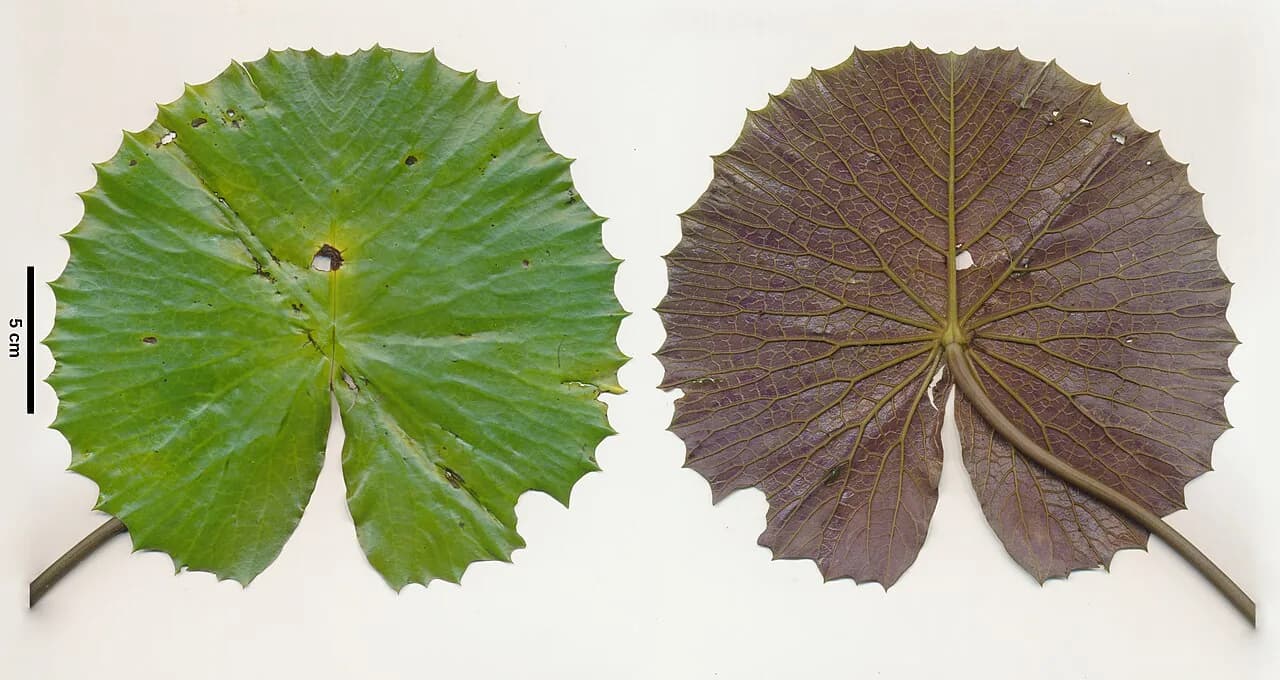
Red Tiger Lotus
Nymphaea zenkeri
West Africa (Cameroon)
Bulbs (like the tiger lotus) are simply rested on top of the substrate or half-buried with the growing tip exposed, never fully buried. They sprout in a week or two.
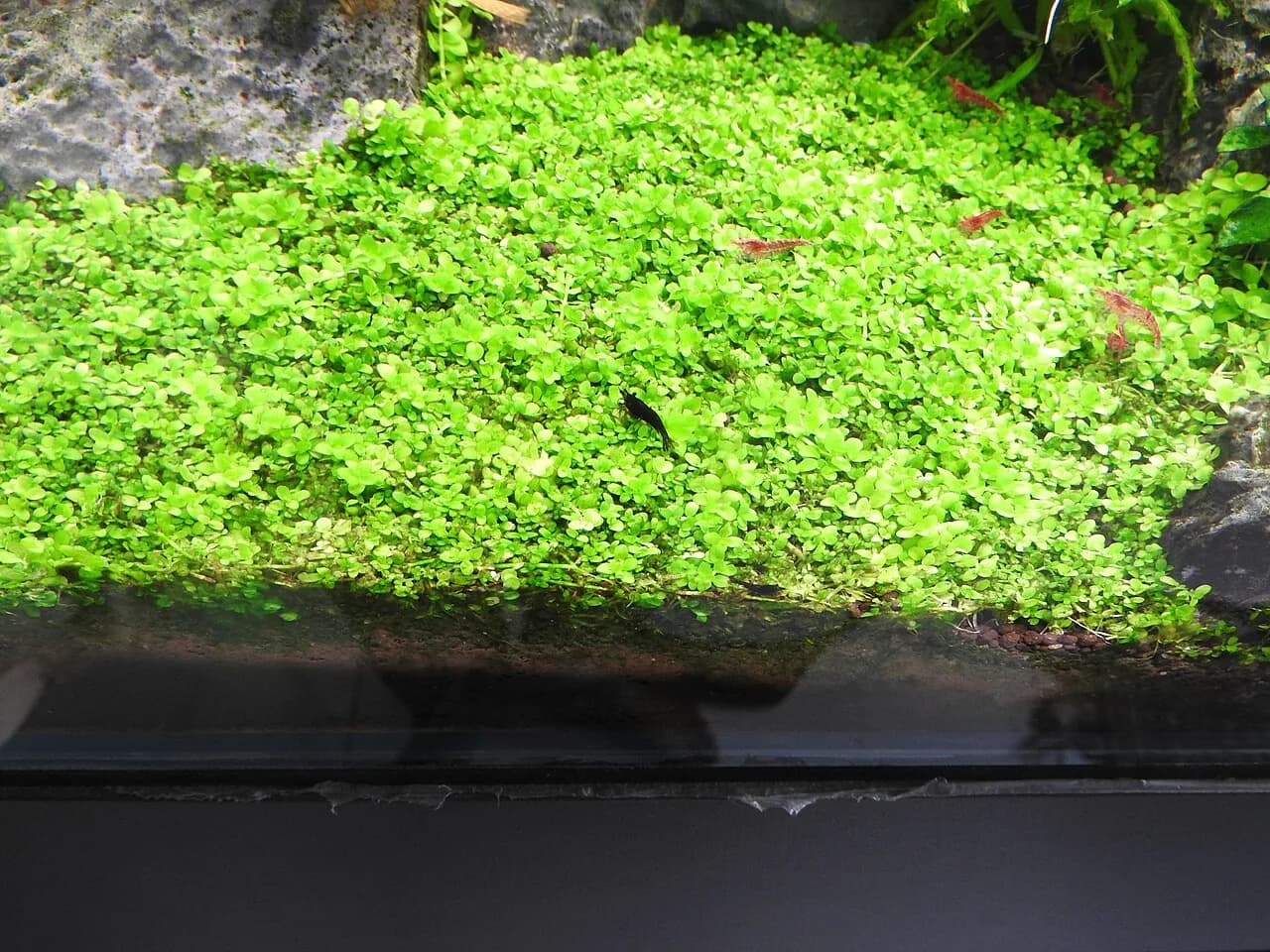
Monte Carlo
Micranthemum tweediei
Argentina
Carpets are planted as many tiny portions pushed into damp substrate a couple of centimetres apart. Small and dense fills in fastest, see how to grow a carpet.
Mosses are tied or glued in a thin layer over wood and stone. A thin layer attaches and grows out; a thick clump rots underneath.
The mistakes that kill new plants
- Burying the rhizome of an epiphyte, or the crown of a rosette plant. Both rot.
- Leaving rock wool in the roots, where it traps waste.
- Planting stems in a tight bunch, which shades and rots the inner stems.
- Planting into a full tank, where the substrate clouds and plants float away.
- Expecting instant results. Most plants melt a little as they convert from farmed emersed growth to submerged. New growth follows.
FAQ
The quick answers are above. Next, see best beginner plants for what to grow, how to grow a carpet, and the aquascaping design guide for arranging it all.
Frequently asked questions
Direct answers to the questions search engines and AI assistants surface most often about this species.
How do you plant aquarium plants for beginners?
Match the method to the plant type. Push stem plants and rosettes into the substrate with tweezers, one at a time. Glue or tie epiphytes like anubias and java fern to hardscape and never bury the rhizome. Rest bulbs on top of the substrate. Tie mosses to wood or rock. Plant while the tank is shallow-filled.
Should I remove the rock wool and pot from aquarium plants?
Yes. Gently remove the plastic pot and tease out the rock wool from the roots before planting, since it can trap detritus and rot. Tissue-culture cups have no rock wool, just rinse off the gel and separate the portions.
How deep should I plant aquarium plants?
Deep enough to hold, no deeper. Bury the roots and the very base of the stem, but keep the crown (where leaves meet roots) at or just above the substrate. Never bury the rhizome of an epiphyte or the crown of a rosette plant, or it rots.
Can I glue aquarium plants to wood?
Yes. Cyanoacrylate gel (superglue gel) is safe underwater and is the standard way to attach anubias, java fern, bucephalandra and moss to wood and stone. A dab on the rhizome or base, press it on, hold for a few seconds, done.
Why do my planted stems float back up?
Usually they were planted too shallow, or the substrate is too loose. Push each stem a couple of centimetres in with tweezers, angled slightly, and plant them individually rather than in a bunch. New roots anchor them within a week or two.