
Tank setup
Cherry Shrimp: The Complete Care Guide
Everything you need to keep and breed cherry shrimp (Neocaridina), water parameters, tank setup, food, tank mates, breeding, and why shrimp die and how to prevent it.
Updated 3 min read
Part of our complete freshwater-shrimp guide.
The short answer
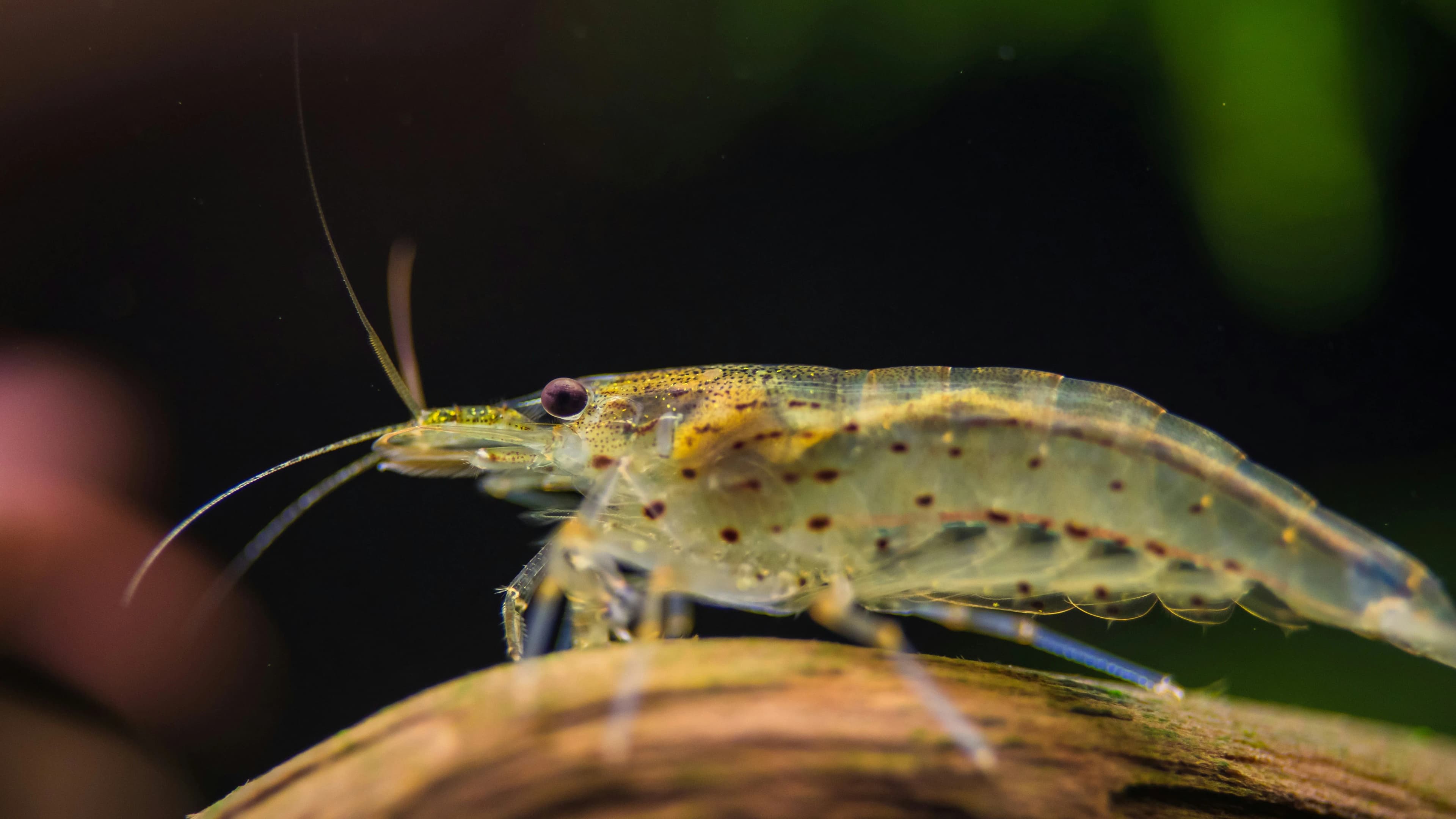
Cherry shrimp (Neocaridina davidi) are the perfect first shrimp: hardy, colourful, and they breed themselves into a colony with no effort. Give them a stable, mature, planted tank with a steady general hardness around 6 to 8 GH, feed lightly, keep them away from fish that can eat them, and avoid copper, and they thrive and multiply. Almost every shrimp death traces back to instability, copper, or a failed moult from soft water. Get the water stable and keep it stable, and cherry shrimp are close to foolproof.
Meet the cherry shrimp
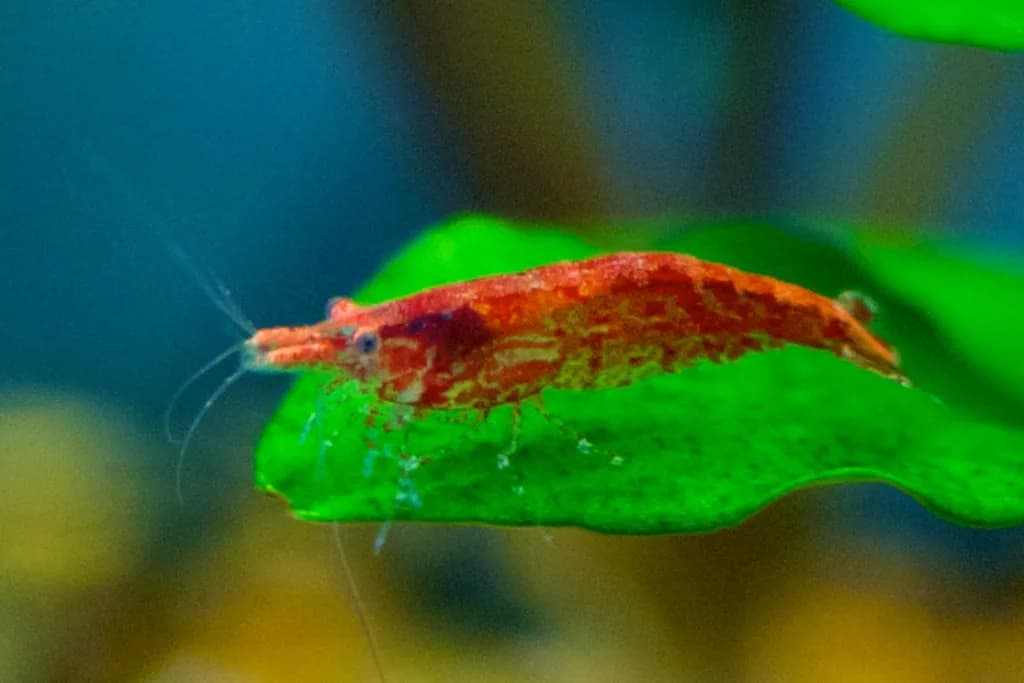
Red Cherry Shrimp
Neocaridina davidi
Taiwan (selectively bred)
Cherry shrimp are a selectively-bred colour form of Neocaridina davidi, and they come in many colours beyond red, blue, yellow, green and more, all the same species with identical care.
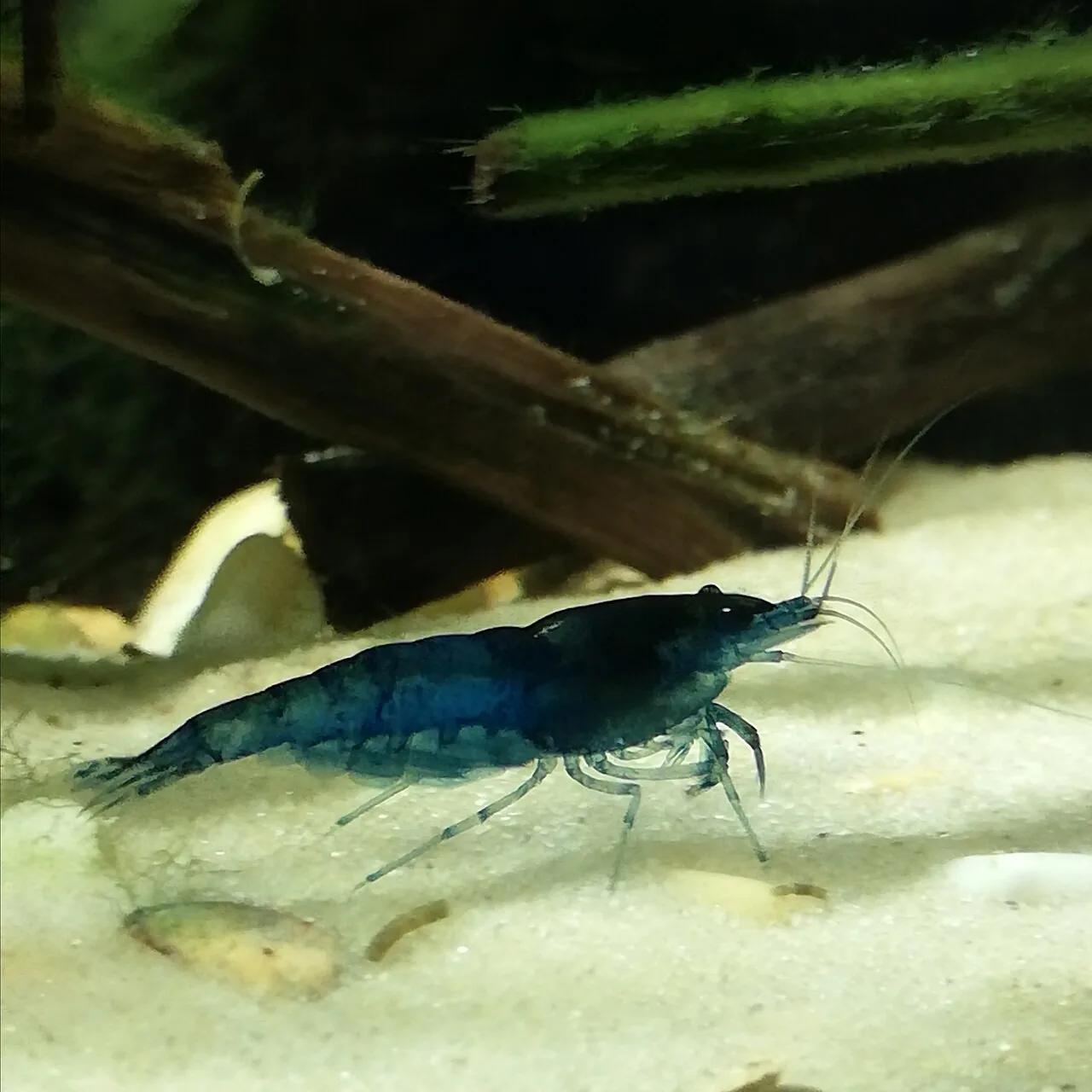
Blue Dream Shrimp
Neocaridina davidi 'Blue Dream'
Selectively bred (Neocaridina lineage)
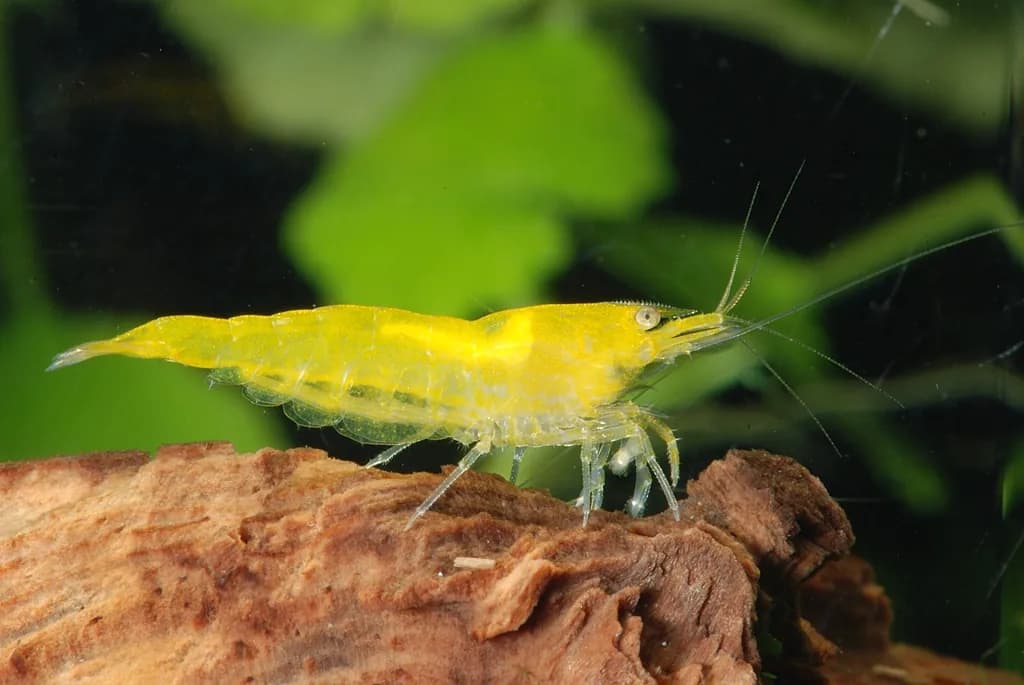
Yellow Neocaridina
Neocaridina davidi 'Yellow'
Selectively bred (Neocaridina lineage)
Because they are all one species, keeping two different colours together leads to muddy brown offspring over generations, so most keepers pick one colour per tank. For the difference between these hardy neocaridina and the fussier caridina shrimp, see neocaridina vs caridina.
Water parameters
Neocaridina are hardy but they hate swings. Aim for stable, moderately hard water:
- pH: 6.5 to 7.5
- GH (general hardness): 6 to 8, the most important number, because shrimp need calcium and magnesium to moult
- KH: 2 to 5
- TDS: roughly 150 to 250 ppm
- Temperature: 18 to 26 degrees, room temperature is often fine
Read the water chemistry guide to understand these, and remember: a steady "wrong" number beats a swinging "right" one. If your tap water is very soft, remineralise it to a stable GH rather than leaving it low, or you will see failed moults.
The tank
Cherry shrimp want a mature, stable, planted tank. Maturity matters because shrimp graze biofilm, the thin microbe layer that coats a settled tank, so an established tank of a few months feeds them for free. Set it up like any planted tank, cycle it fully, and let it mature before adding shrimp.
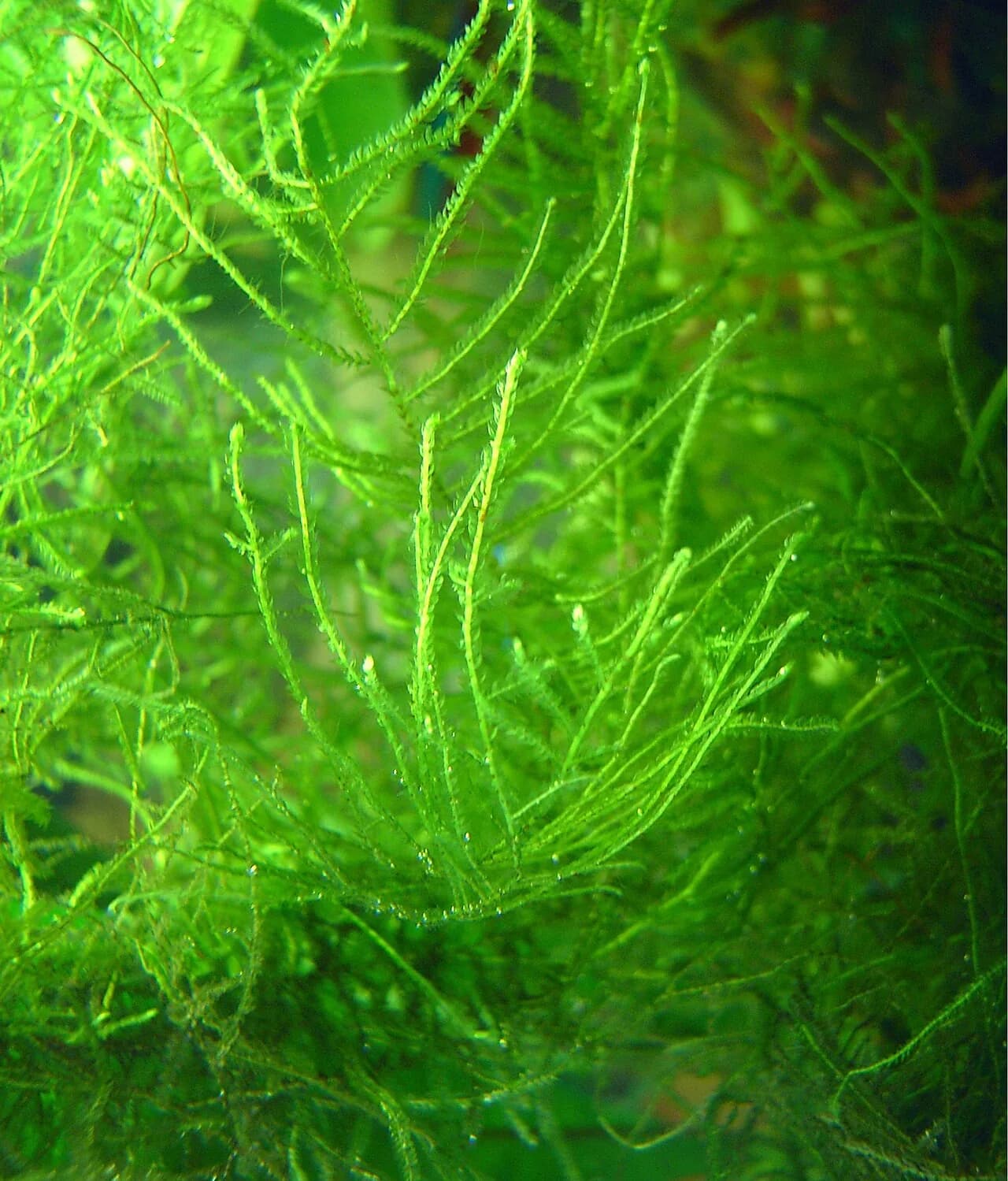
Java Moss
Taxiphyllum barbieri
Southeast Asia
Plant heavily, and mosses especially, which trap biofilm and give shrimplets cover. Use a gentle sponge filter so babies are not sucked in, and keep flow gentle.
Feeding
Do not overfeed, it is the number one cause of shrimp trouble. A mature planted tank supplies most of their food as biofilm and soft algae. Supplement lightly, every couple of days, with:
- Blanched vegetables (courgette, spinach, leaves)
- A quality sinking shrimp food
- A calcium source (cuttlebone, a mineral stone, or a remineraliser) for strong moults
Remove uneaten food after a couple of hours.
Tank mates
The safest cherry shrimp tank is a shrimp-only tank, because almost any fish eats the tiny shrimplets even if it ignores the adults. If you want fish, choose only small, peaceful nano species.
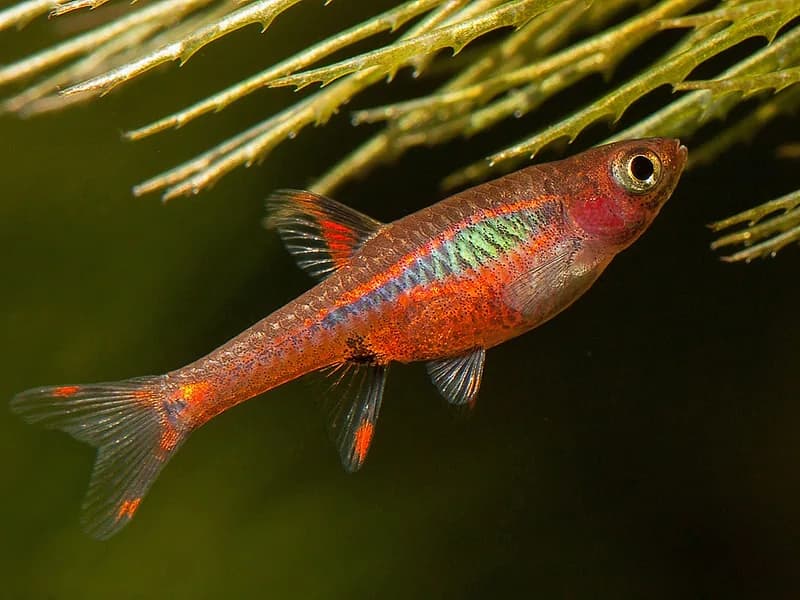
Chili Rasbora
Boraras brigittae
Southwestern Borneo blackwater swamps
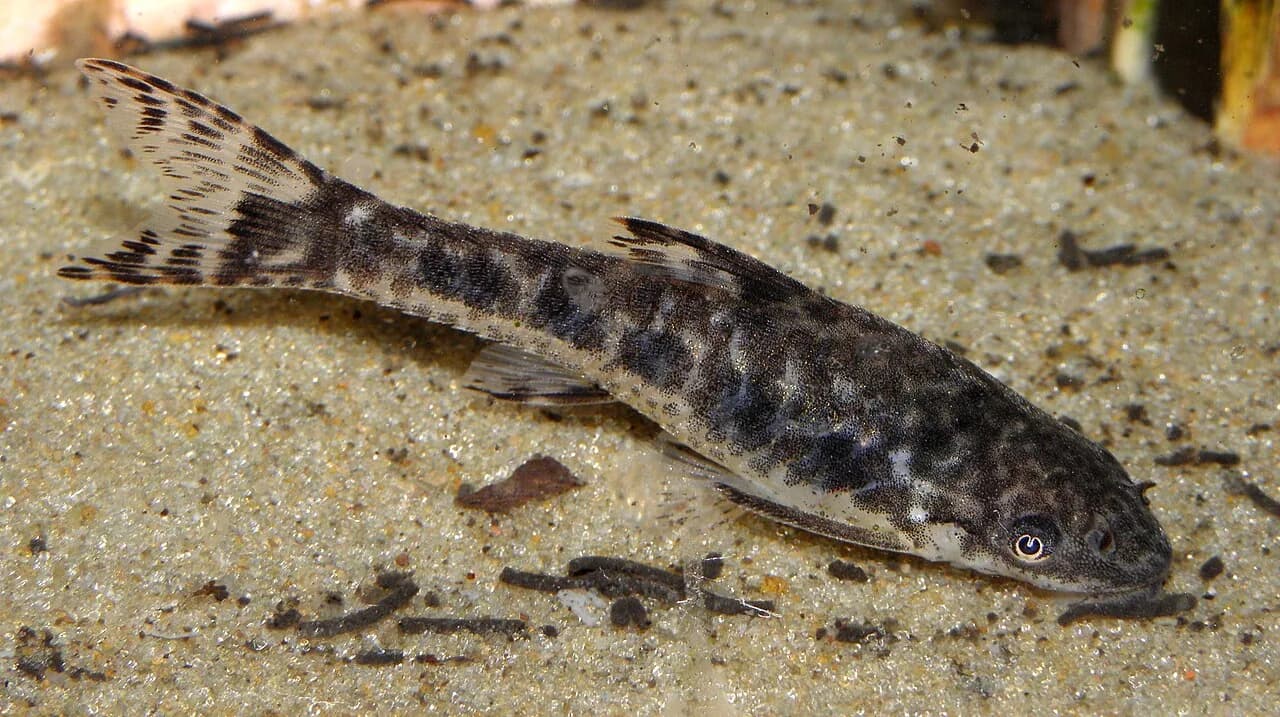
Otocinclus (Common)
Otocinclus vittatus
Northern and central South America
Chili rasbora, otocinclus and a small snail crew are about as safe as it gets, and even then some shrimplets get eaten, which just slows breeding. Check pairings with the compatibility tool.
Breeding
Breeding cherry shrimp is mostly about getting out of the way. Give a colony of ten or more a stable, mature, predator-light tank and they do the rest. A berried female carries a clutch of eggs under her tail (fanning them with her legs) for about a month, then releases miniature, fully-formed shrimp that fend for themselves immediately. No special setup, no larval stage. Just keep the water stable and the tank fed and the colony grows on its own.
Why shrimp die, and how to prevent it
- Unstable water. Swings in GH, TDS or temperature, often from large or fast water changes, stress and kill shrimp. Change small amounts slowly.
- Copper. Lethal to shrimp, and hidden in many fish medications and some fertilisers. Check every product is shrimp-safe.
- Failed moults. Low GH means the new shell can't form, causing the White Ring of Death. Keep GH steady and in range.
- An immature or uncycled tank. No biofilm, unstable water. Let the tank mature first.
FAQ
The quick answers are above. Next, read neocaridina vs caridina and, if a shrimp looks unwell, the shrimp health section.
Frequently asked questions
Direct answers to the questions search engines and AI assistants surface most often about this species.
What water parameters do cherry shrimp need?
Cherry shrimp (Neocaridina) want a stable, harder water: pH around 6.5 to 7.5, GH 6 to 8, KH 2 to 5, TDS roughly 150 to 250 ppm, and a temperature of 18 to 26 degrees. Stability matters far more than perfect numbers, and steady GH is essential for healthy moulting.
How do you breed cherry shrimp?
You mostly don't have to. Give a small colony (10 or more) a stable, mature, planted tank with plenty of biofilm and no predators, and they breed on their own. A berried female carries eggs under her tail for about a month, then releases tiny fully-formed shrimp. Just keep the tank stable and feed lightly.
What can live with cherry shrimp?
Only small, peaceful fish that can't eat them, chili rasbora, ember tetra, otocinclus, and a nano snail crew. Even 'peaceful' larger fish eat shrimplets. For maximum breeding, a shrimp-only tank is best, since nothing thins the babies.
Why do my cherry shrimp keep dying?
The usual causes are unstable water (especially swings in GH or TDS from careless water changes), copper (in some fish medications and fertilisers, which is lethal to shrimp), an uncycled tank, or failed moults from low general hardness. Keep parameters stable, avoid copper, and remineralise soft water to a steady GH.
What do cherry shrimp eat?
Mostly biofilm and soft algae they graze all day, which a mature planted tank supplies for free. Supplement lightly with blanched vegetables, sinking shrimp foods, and a calcium source for moulting. Overfeeding fouls the water and is a common cause of shrimp losses.