
Tank setup
How to Set Up a Planted Aquarium: Step by Step
A complete, beginner-friendly walkthrough for setting up your first planted aquarium, from choosing the tank and substrate to hardscape, planting, cycling and stocking.
Updated 5 min read
Part of our complete planted-aquarium guide.
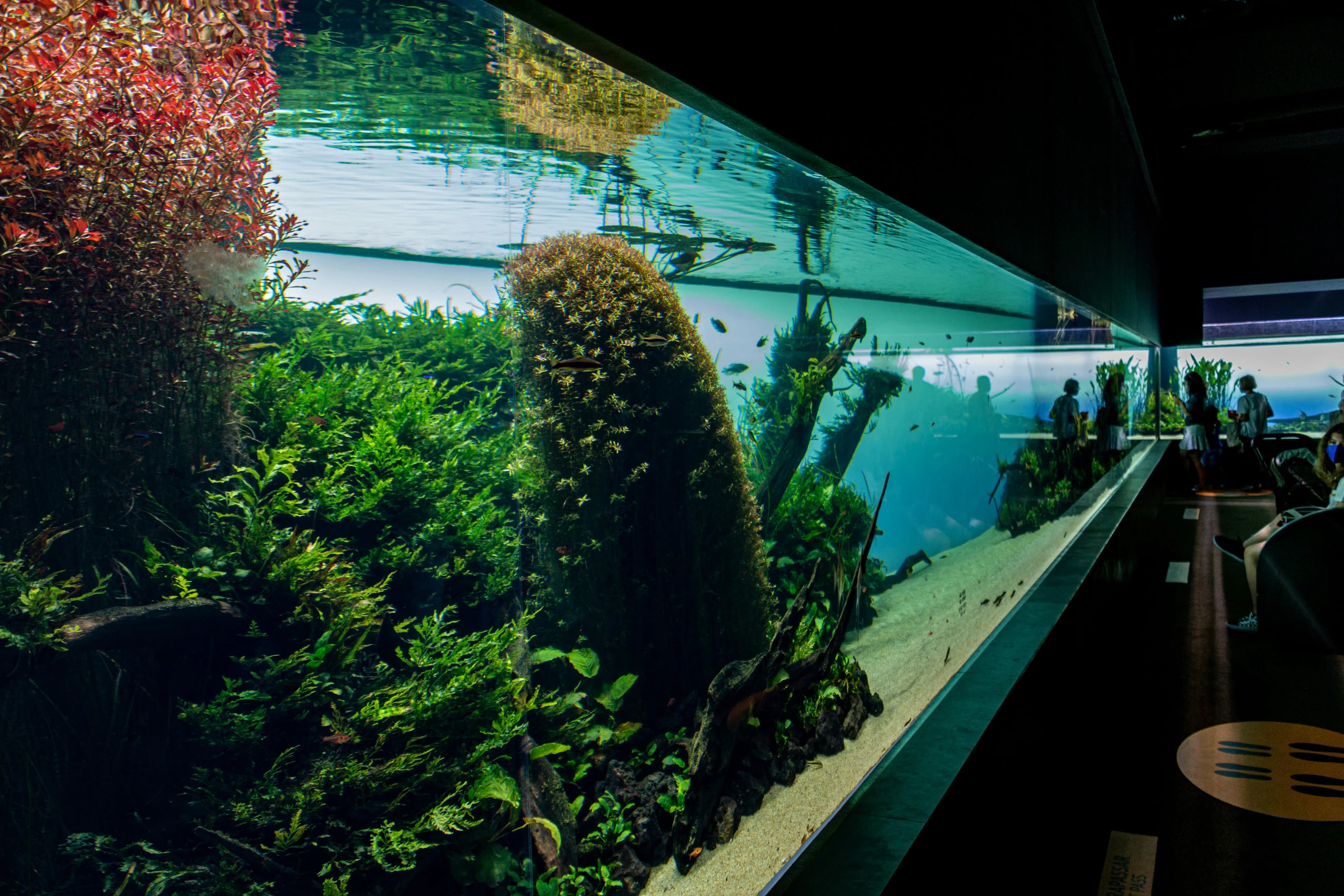
The short answer
Setting up a planted aquarium is a sequence, and doing it in order saves you a lot of grief. Pick a tank and a light suited to the plants you want. Lay a substrate that feeds roots. Build your hardscape of stone and wood before any water goes in. Plant heavily while the tank is shallow-filled. Fill it slowly, get the filter and heater running, and then cycle it for three to six weeks before a single fish arrives. Add livestock last, and slowly. The two mistakes that sink most first tanks are rushing the cycle and planting too sparsely, so plant thickly and be patient.
1. Choose the tank and the gear
Bigger tanks are more stable and more forgiving than nano tanks, so if you have the space, a 60 to 120 litre tank is an easier first project than a tiny one. Whatever the size, you need four bits of equipment.
- Light matched to your plants. Easy plants want modest light; carpets and reds want more. See aquarium lighting for the PAR bands.
- Filter rated for your volume, aiming for a turnover of four to six times the tank per hour. See filtration.
- Heater at roughly one to one and a half watts per litre. See heaters.
- A liquid test kit for ammonia, nitrite and nitrate. Non-negotiable, it is how you read the cycle.
CO2 is optional. Decide now whether you are building a low-tech or high-tech tank, because it changes which plants you choose.
2. Lay the substrate
The substrate is the decision that shapes the whole tank, so it is worth getting right the first time. For a planted first tank, an active aquasoil feeds the roots and gently softens the water for about a year, which suits most plants and shrimp. Inert sand or gravel works too, as long as you push root tabs in for heavy root feeders. Slope it up toward the back, deeper at the rear than the front, which gives the scape depth and helps the design.
3. Build the hardscape
Do this before any real water goes in, so you can move heavy stone and wood freely. Arrange your stones and wood with the composition in mind: an off-centre focal point, an odd number of rocks, and open space to breathe. Our aquascaping design guide covers the rule of thirds and the layout shapes. Remember that some stones raise pH and hardness and most wood leaches tannins, so choose hardscape that suits the water you want.
4. Plant it, heavily
Fill the tank just an inch or two above the substrate first. Damp and shallow keeps the soil in place and the plants easy to see while you work. Now plant, and plant more than feels necessary, because a heavily planted tank out-competes algae from day one.
Group plants by where they go: carpets and low plants at the front, mid-height species in the middle, tall stems and big leaves at the back. Our how to plant an aquarium guide covers the technique for each plant type. For a first tank, lean on hardy species.
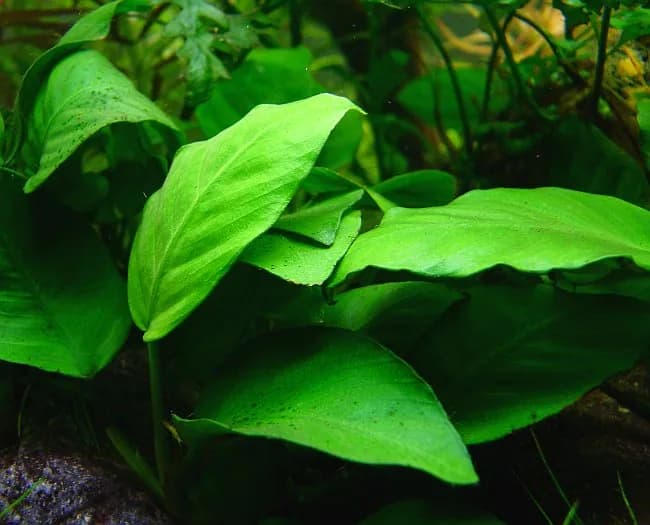
Anubias Barteri Nana
Anubias barteri var. nana
West Africa (Cameroon)
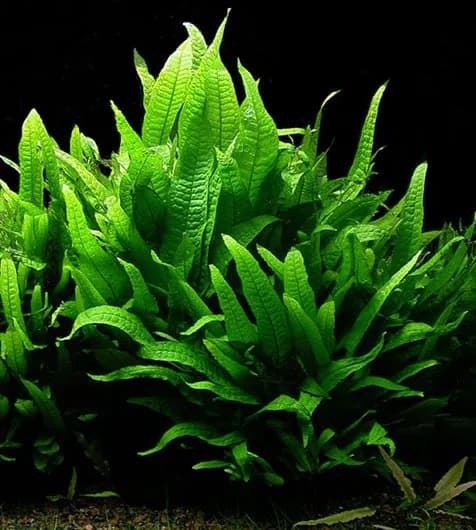
Java Fern
Microsorum pteropus
Southeast Asia
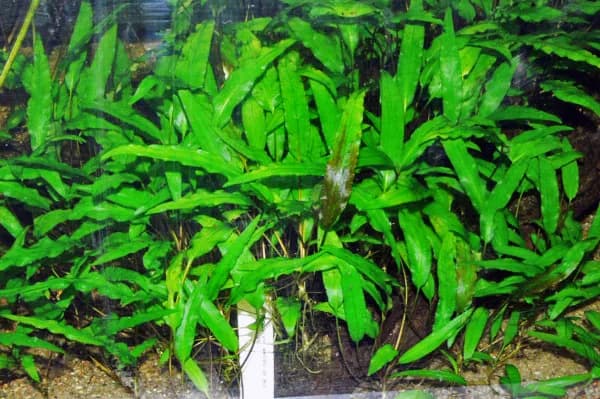
Cryptocoryne Wendtii
Cryptocoryne wendtii
Sri Lanka
Epiphytes like anubias and java fern get glued or tied to hardscape, never buried. Rosette plants like crypts go into the substrate. See our best beginner plants list for the full hardy shortlist.
5. Fill it and start the equipment
Top the tank up slowly, pouring onto a plate, your hand or the hardscape so you do not blast the substrate into a cloud. Add a dechlorinator to neutralise the tap water's chlorine and chloramine, which would otherwise kill your future filter bacteria. Turn on the filter, the heater and the light on a timer (start at six to eight hours a day), and let it run.
6. Cycle the tank
This is the step people skip, and it is the one that kills fish. A new tank has no bacteria to process the ammonia that fish produce, so you grow that colony first. Read the full method in how to cycle a tank. In short: add an ammonia source, seed it with bacteria, and test every few days until the tank clears an ammonia dose to zero ammonia and zero nitrite in 24 hours. In a heavily planted tank the plants absorb much of the ammonia, softening the whole process.
Watch the numbers with your test kit and get familiar with what each reading means. Some early algae and a little plant melt are normal in a new tank, not a crisis.
7. Stock it, slowly
Once the tank is cycled, add livestock a few at a time so the bacteria colony can grow into the new load. Start with hardy species and use the tank planner and compatibility tool to check everything gets along and fits your water.
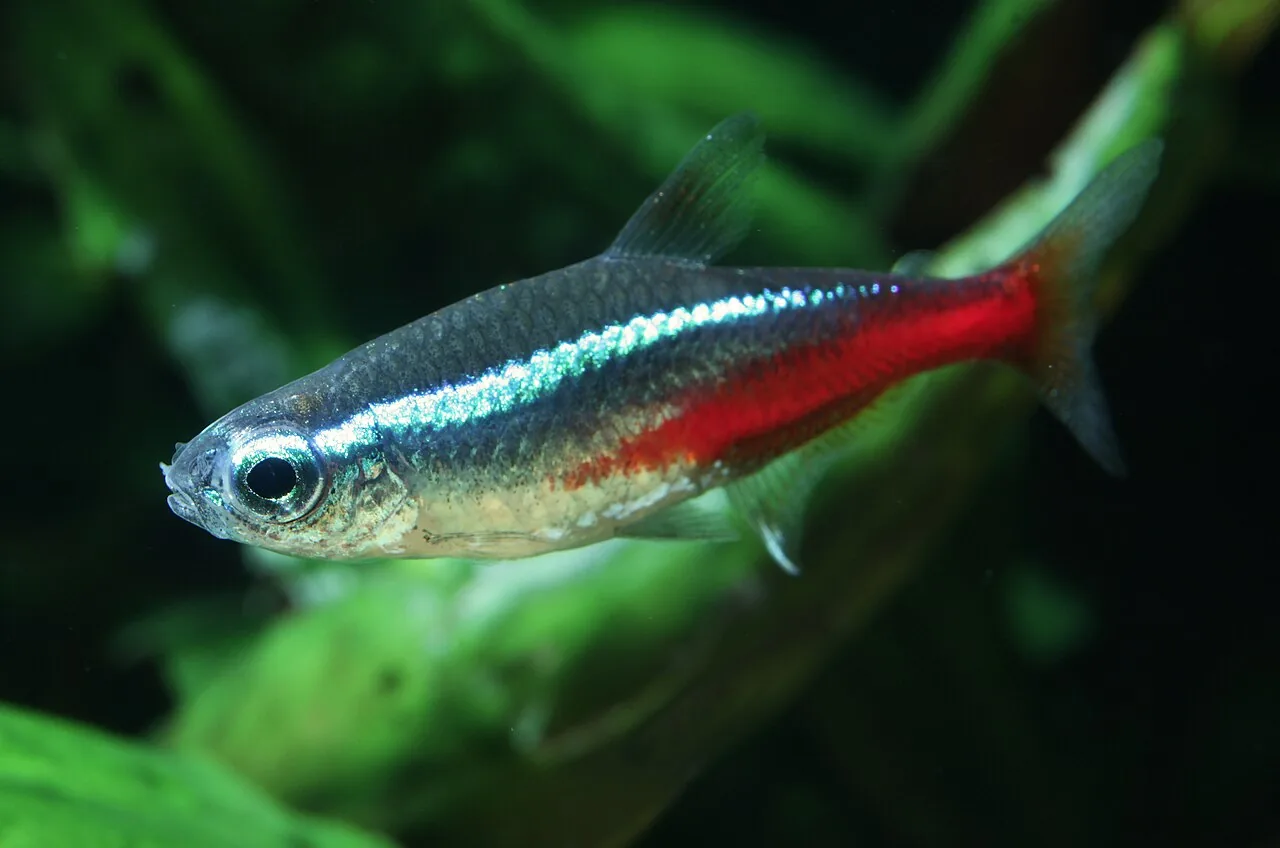
Neon Tetra
Paracheirodon innesi
Upper Amazon basin, South America
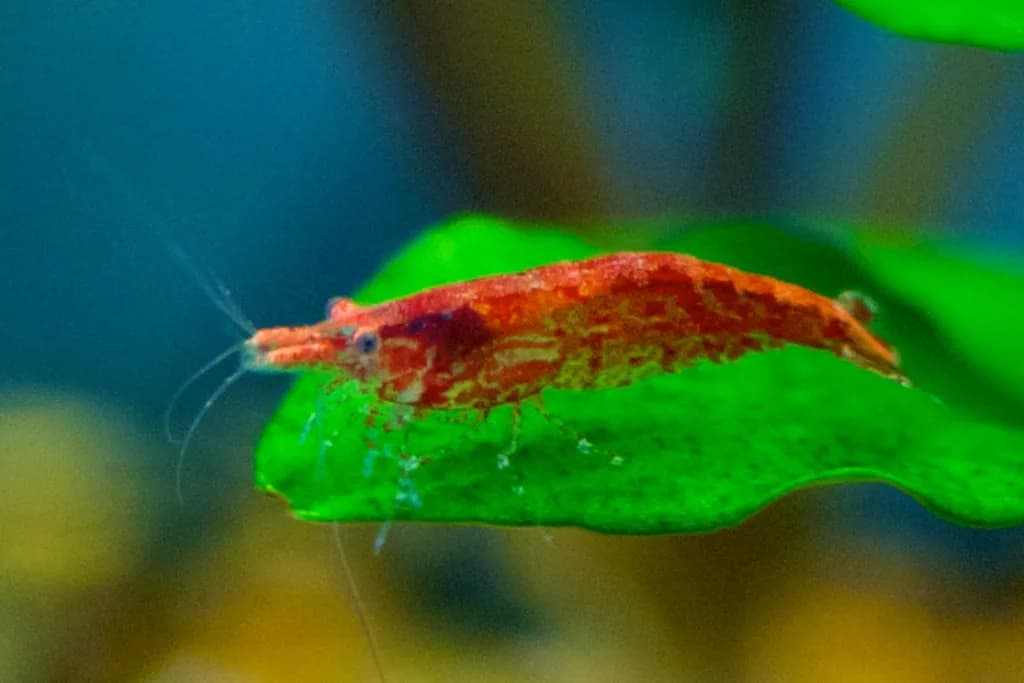
Red Cherry Shrimp
Neocaridina davidi
Taiwan (selectively bred)
A shrimp or snail cleanup crew earns its place early. From here it is mostly a maintenance routine: weekly water changes, a glass clean, and trimming as the plants fill in.
Common first-tank mistakes
- Rushing the cycle. Adding fish to an uncycled tank is the single most common cause of early losses. Wait for zero ammonia and zero nitrite.
- Planting too sparsely. Empty space is an invitation to algae. Plant thickly from the start.
- Too much light, too soon. Long, bright photoperiods in a young tank feed algae faster than plants. Start at six to eight hours.
- Chasing demanding plants without CO2. Carpets and reds without CO2 melt and hand their light to algae. Match plants to your setup.
- Overstocking and overfeeding. Both spike waste faster than a new tank can handle. Go slow and feed lightly.
FAQ
See the questions above for the quick answers. Once your tank is running, the next things worth reading are how to cycle a tank, water chemistry and the maintenance routine.
Frequently asked questions
Direct answers to the questions search engines and AI assistants surface most often about this species.
What do I need to set up a planted aquarium?
A tank, a light suited to your plants, a filter sized to your volume, a heater, a substrate (aquasoil or inert sand with root tabs), hardscape (stone or wood), the plants themselves, a dechlorinator, and a liquid test kit. CO2 is optional and only needed for demanding plants.
How long before I can add fish to a new planted tank?
Wait until the tank is cycled, which usually takes three to six weeks. The tank is ready when it clears an ammonia dose to zero ammonia and zero nitrite within 24 hours. A heavily planted 'silent cycle' can be ready sooner because the plants absorb ammonia.
Do I need CO2 for a planted tank?
No, not for a low-tech tank built around easy plants like anubias, java fern, crypts and mosses. You only need CO2 for carpets, red stems and fast, lush growth. Choose plants that match whether you plan to inject CO2 or not.
What substrate is best for a planted tank?
For a plant-focused first tank, an active aquasoil feeds roots and softens the water for about a year. Inert sand or gravel also works well if you add root tabs for the heavy root feeders. Match the substrate to the plants and fish you want.
Should I plant before or after filling the tank?
Plant when the tank is filled just an inch or two above the substrate. Damp, shallow water keeps the substrate in place and the plants visible while you work, then you top up slowly once everything is in.
How many plants should I start with?
As many as you can. Planting heavily from day one out-competes algae for nutrients and light, keeps the water stable, and makes the tank look finished sooner. A sparsely planted new tank is far more likely to grow algae.