
Tank setup
How to Trim and Propagate Aquarium Plants
How to trim stems, carpets, epiphytes, rosettes and mosses the right way, and how each propagates, so you keep plants dense, healthy and multiplying for free.
Updated 3 min read
Part of our complete planted-aquarium guide.
The short answer
Trimming is not just tidying, it is how you keep plants dense and how you multiply them for free. Each plant type is trimmed and propagated a bit differently: cut and replant stem tops, divide the rhizomes of epiphytes, snip runners off carpets and grasses, remove old outer leaves of rosettes, and trim mosses flat to make them branch. Trim little and often with sharp scissors, replant or share the cuttings, and a handful of plants becomes a whole tank over a season. Trimming also keeps light and flow reaching the lower growth, which prevents the leggy, algae-collecting mess that untrimmed plants become.
Stem plants: cut and replant
Stem plants are the easiest to trim and propagate, and the most rewarding.
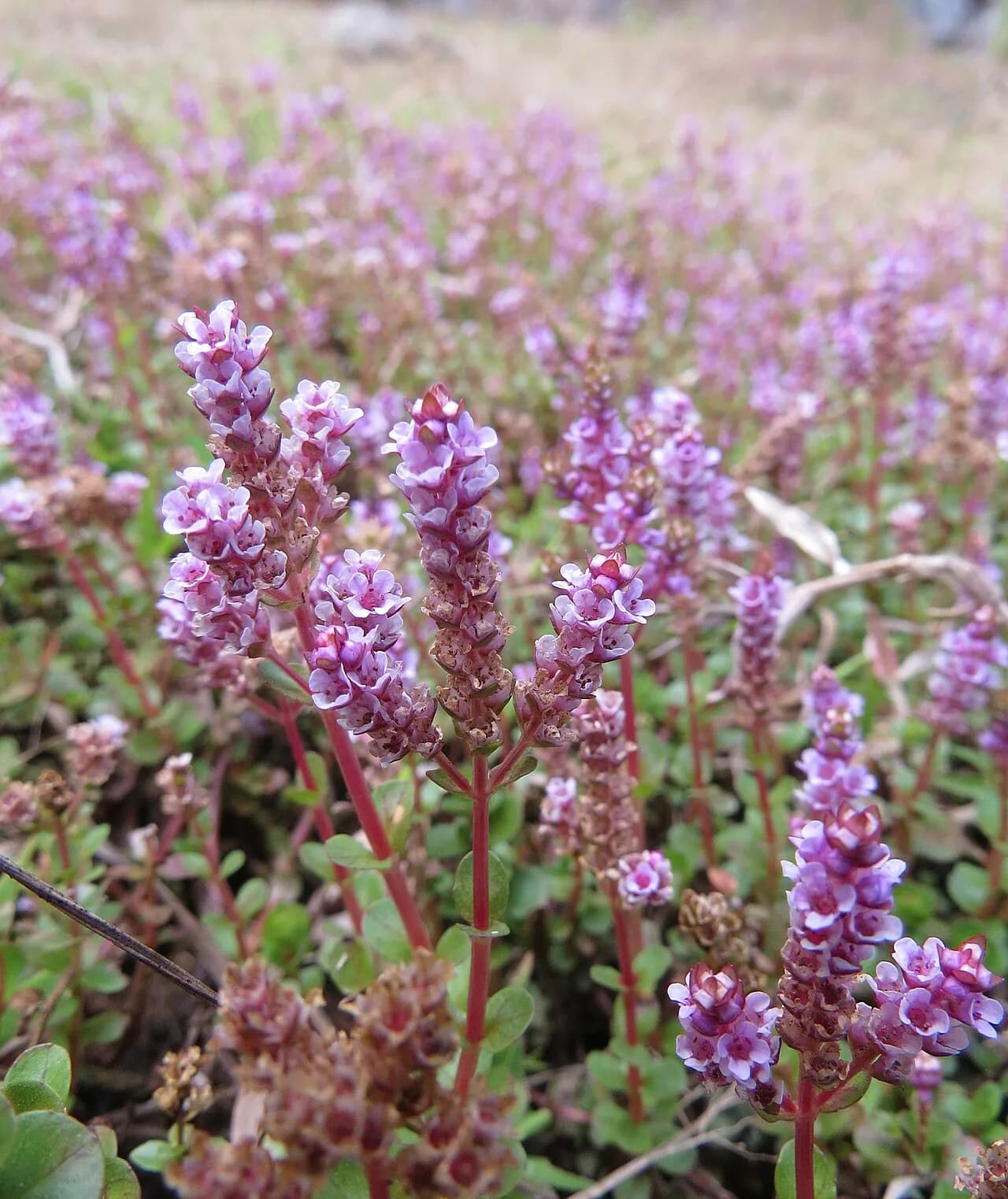
Rotala Rotundifolia
Rotala rotundifolia
Southeast Asia
To trim, cut the stem a few centimetres above the substrate with sharp scissors. The stump sprouts two or more new shoots from the cut point, so the plant comes back bushier each time, this is how you build a dense stem "bush". The top you cut off is a ready-made new plant: strip the leaves off its bottom centimetre and push it into the substrate, where it roots within a week or two. A few stems become a tankful this way. See how to plant an aquarium for the replanting technique.
Trim little and often. A single drastic chop removes a lot of plant mass at once, which can trigger an algae bloom as the tank's balance shifts.
Carpets and runners: snip and spread
Carpet plants and grasses spread by runners, horizontal shoots that sprout new plantlets.
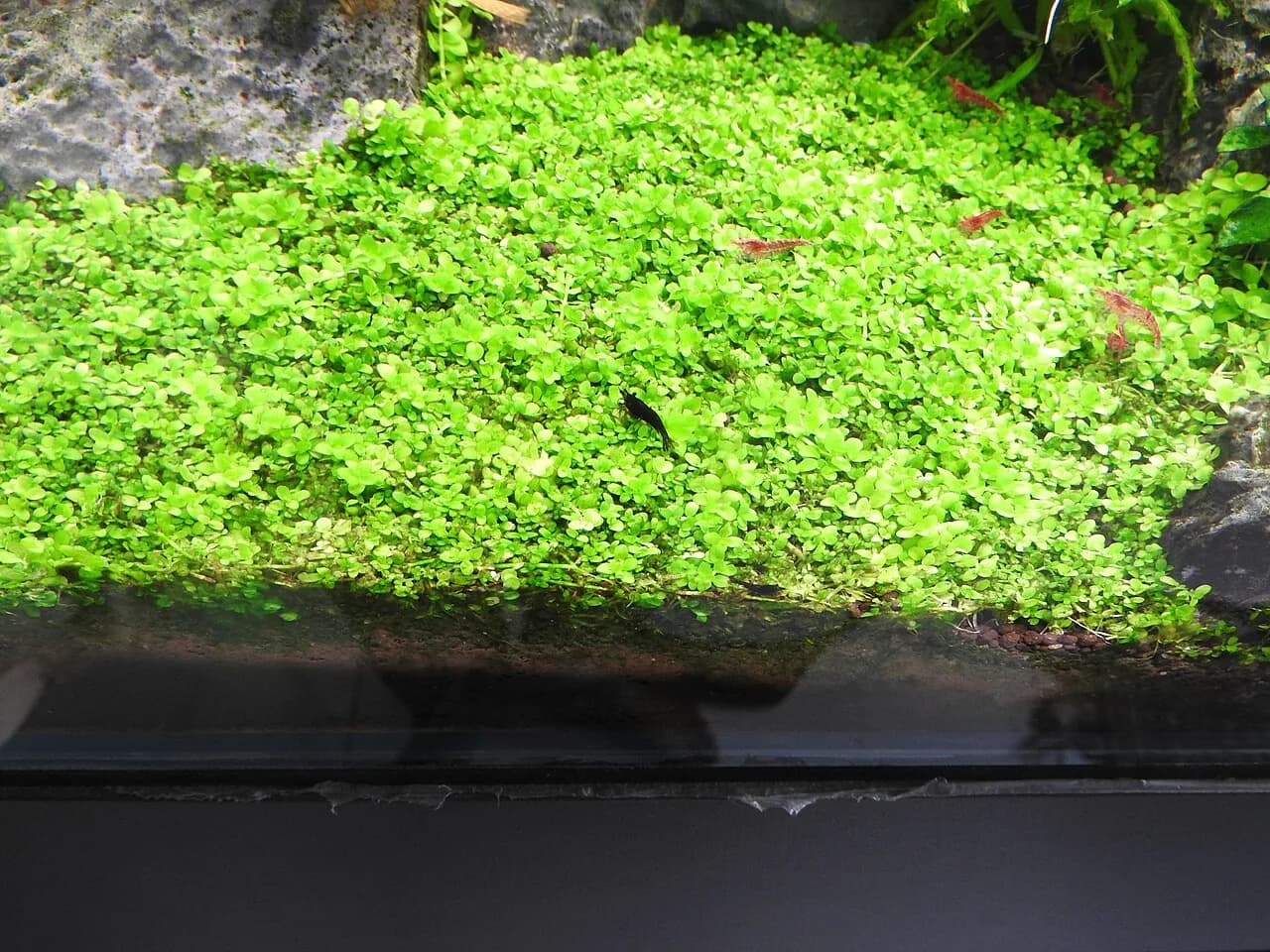
Monte Carlo
Micranthemum tweediei
Argentina
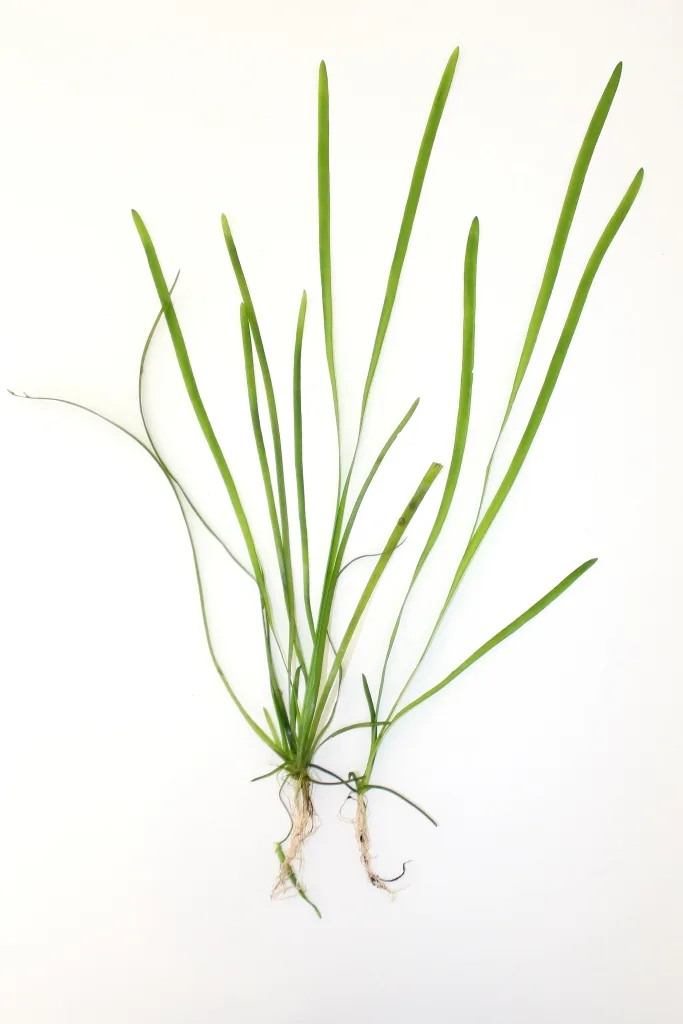
Vallisneria Spiralis
Vallisneria spiralis
Europe, Asia, Africa
Let them run to fill in a carpet or a jungle back wall, or snip a runner and replant the plantlet elsewhere. Trimming a carpet flat with scissors (or a trimmer) pushes it to spread sideways and thicken instead of stacking up and shading itself out. Vallisneria you thin by pulling whole plantlets, not by cutting the blade tips, which just leaves brown ends.
Epiphytes: divide the rhizome
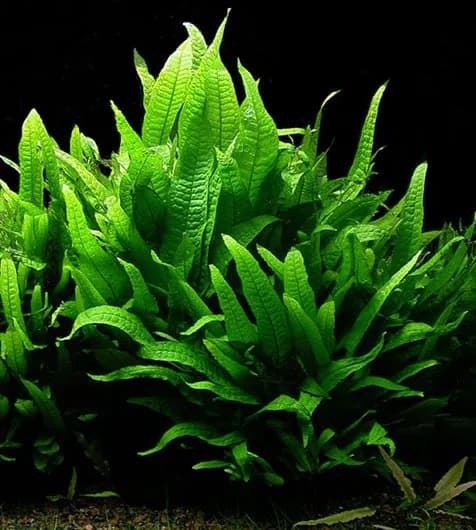
Java Fern
Microsorum pteropus
Southeast Asia
Anubias, bucephalandra and java fern propagate by division. Cut the rhizome into sections, each with a few leaves and its own roots, and attach each piece to hardscape. Java fern also grows tiny daughter plants right on its leaf tips, snap these off once they have a few leaves and roots and attach them elsewhere. Never bury the rhizome of a division, it rots.
Rosettes: remove the old outer leaves
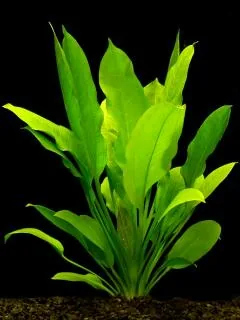
Amazon Sword
Echinodorus grisebachii
Brazil
Rosette plants like swords and crypts do not get "trimmed" so much as tidied: cut old, damaged or algae-covered outer leaves right off at the base, which lets light into the crown and keeps the plant fresh. They propagate by sending up plantlets on flower stalks or by splitting at the roots, which you separate and replant.
Mosses: trim to branch
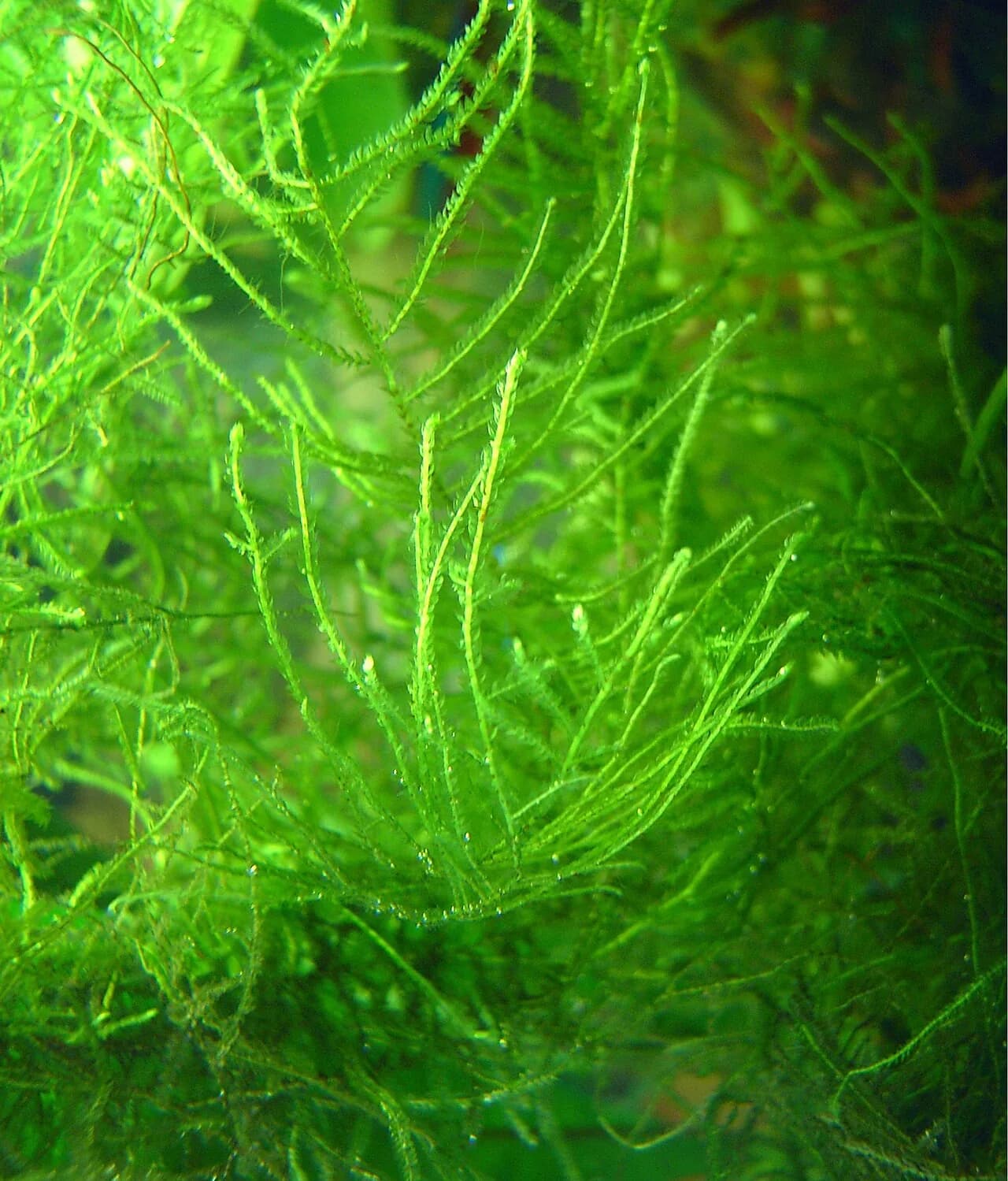
Java Moss
Taxiphyllum barbieri
Southeast Asia
Moss trimmed flat branches and thickens into a dense carpet; moss left alone grows long and stringy. Trim it back to shape with scissors, and use the trimmings to start moss on new hardscape.
Trimming habits
- Sharp scissors. Clean cuts heal better and crush less than blunt ones.
- Little and often. Small regular trims keep plants dense and the tank stable.
- Remove the clippings. Fish them out so they do not rot and feed algae.
- Trim into good conditions. A big trim right before a water change, and with stable CO2 and light, recovers fastest.
FAQ
The quick answers are above. Next, read how to plant an aquarium to replant your cuttings and the maintenance routine to fit trimming into your week.
Frequently asked questions
Direct answers to the questions search engines and AI assistants surface most often about this species.
How do you trim aquarium stem plants?
Cut the stem a few centimetres above the substrate with sharp scissors. The remaining stem sprouts two or more new shoots from the cut, growing bushier. The top you removed can be replanted as a new plant. Trim little and often to keep stems dense rather than leggy.
Can you replant the tops of trimmed stems?
Yes, that is exactly how you propagate stem plants. Strip the leaves off the bottom centimetre of a healthy top cutting and push it into the substrate. It roots within a week or two and grows as a new plant, which is how a few stems become a whole tankful for free.
How do carpet plants and runners spread?
Carpet plants and grasses like Monte Carlo, dwarf hairgrass and vallisneria spread by runners, horizontal shoots that sprout new plantlets. You can let them fill in, or snip a runner and replant the plantlet elsewhere. Trimming a carpet flat pushes it to spread sideways and thicken.
How do you propagate anubias and java fern?
By division. Anubias and bucephalandra grow along a rhizome; cut the rhizome into pieces, each with a few leaves and roots, and attach each to hardscape. Java fern also grows baby plants on its leaf tips, which you snap off and re-attach once they have a few leaves and roots.
How often should I trim my aquarium plants?
As often as they need it, which depends on growth speed: a high-tech tank may need weekly trims, a low-tech tank monthly. Trim little and often rather than a drastic cut, which keeps plants dense and avoids shocking the tank or triggering an algae bloom from a sudden loss of plant mass.