
List article
Aquascaping on a Budget: A Great Tank for Less
How to build a beautiful planted aquarium cheaply, where to save and where not to, budget substrate and hardscape, free plants, and the low-tech setup that costs least.
Updated 3 min read
Part of our complete planted-aquarium guide.
The short answer
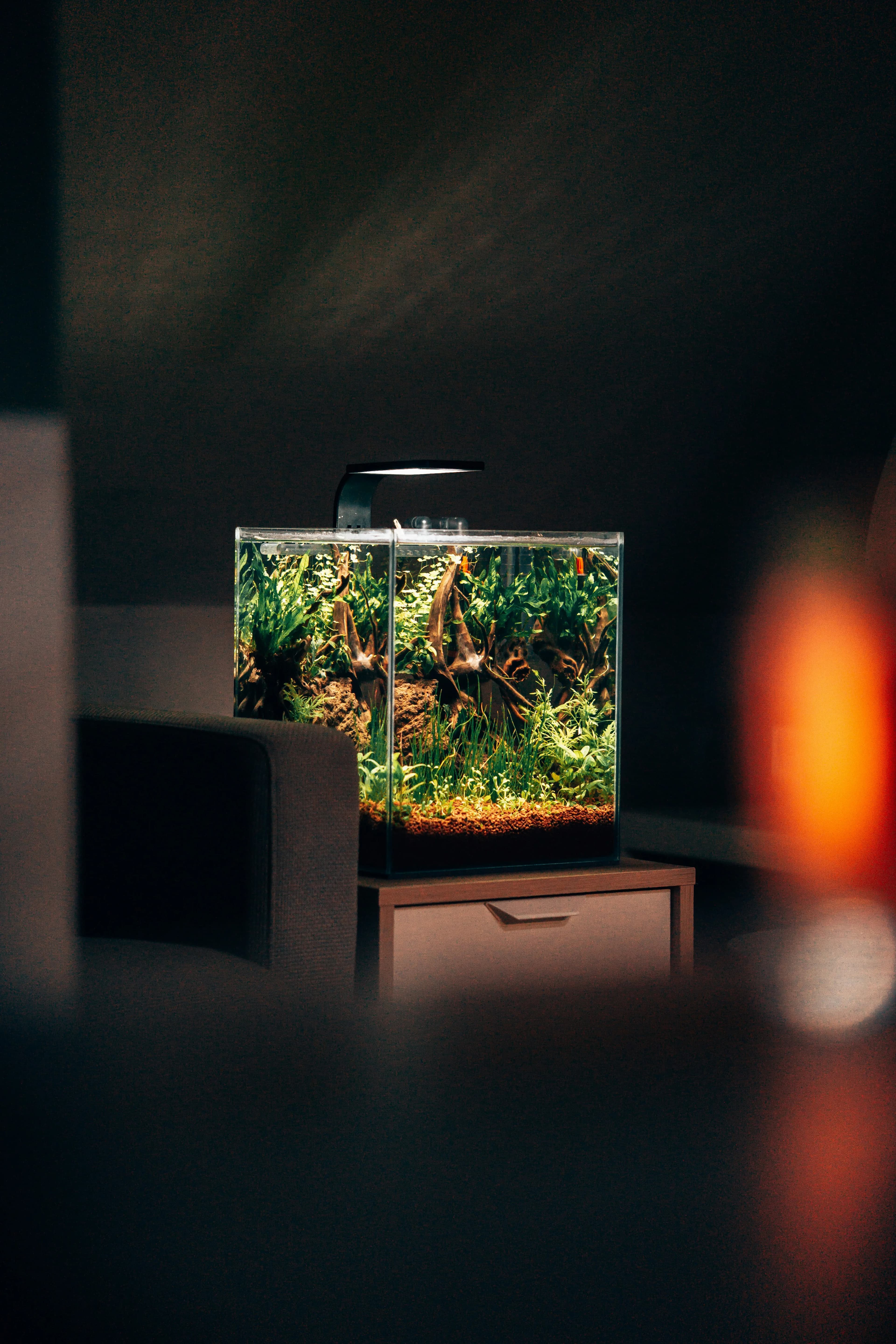
A beautiful planted tank does not have to be expensive. The biggest savings come from going low-tech, which skips the whole CO2 system, and from choosing fast, hardy plants that multiply so you buy once and propagate the rest for free. Use inert sand or gravel with root tabs instead of pricey aquasoil, source stone and wood locally, and start a shrimp colony that breeds itself. Spend your money where it matters, a decent filter and light, and save it everywhere else.
Where to save
Skip CO2
CO2 is the single most expensive part of a planted tank to buy and run. Going low-tech removes the cylinder, regulator, diffuser and drop checker entirely, lets you use a cheaper light, and cuts your fertiliser use. You lose carpets and vivid reds, but you keep a genuinely beautiful tank.
Cheaper substrate
Aquasoil grows plants faster, but plain inert sand or fine gravel is a fraction of the price and works well for most plants. Push a root tab in near the heavy root feeders and they will be happy.
Free and cheap plants
Buy fast, hardy plants that multiply, then let them do the work.
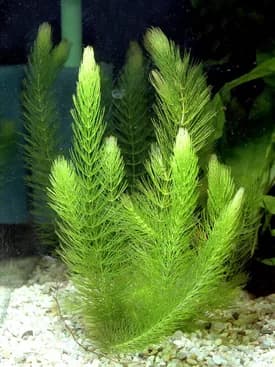
Hornwort
Ceratophyllum demersum
Cosmopolitan
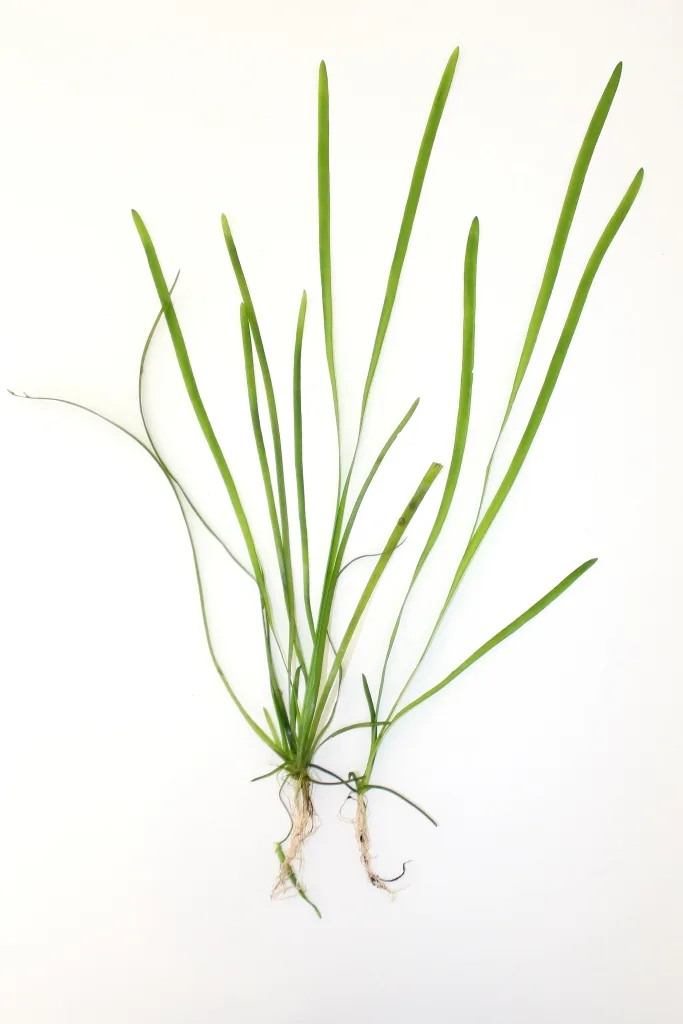
Vallisneria Spiralis
Vallisneria spiralis
Europe, Asia, Africa
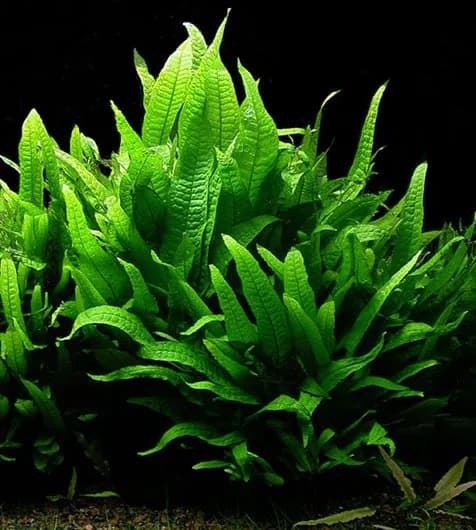
Java Fern
Microsorum pteropus
Southeast Asia
Hornwort grows like a weed and you can trim and replant the tops endlessly. Vallisneria spreads by runners into a jungle back wall. Java fern grows daughter plants you snap off and re-attach. A moss portion becomes a carpet over time.
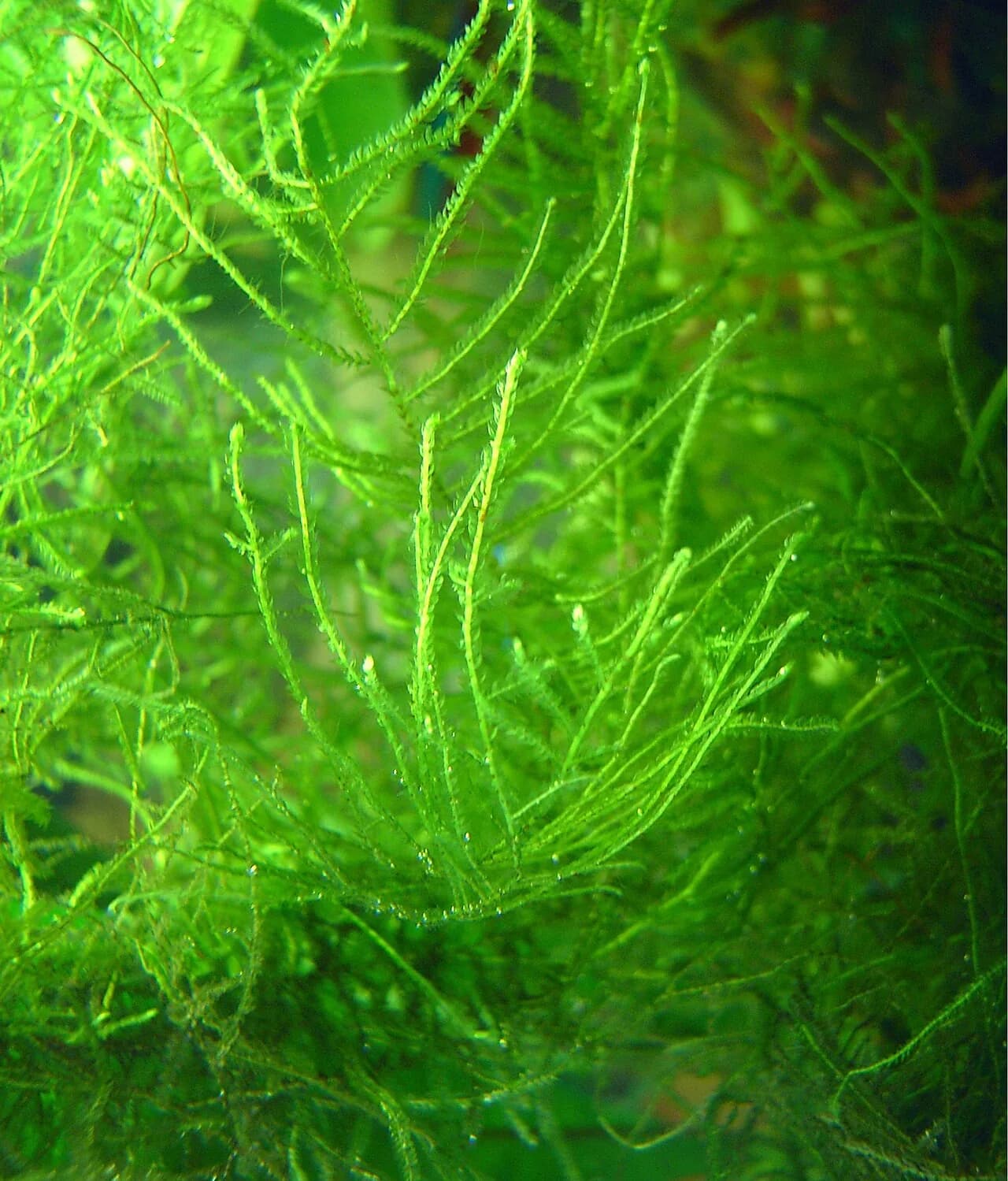
Java Moss
Taxiphyllum barbieri
Southeast Asia
Ask local aquarists too, planted-tank keepers are always giving away trimmings, and clubs and forums are full of cheap or free cuttings.
A self-stocking clean-up crew
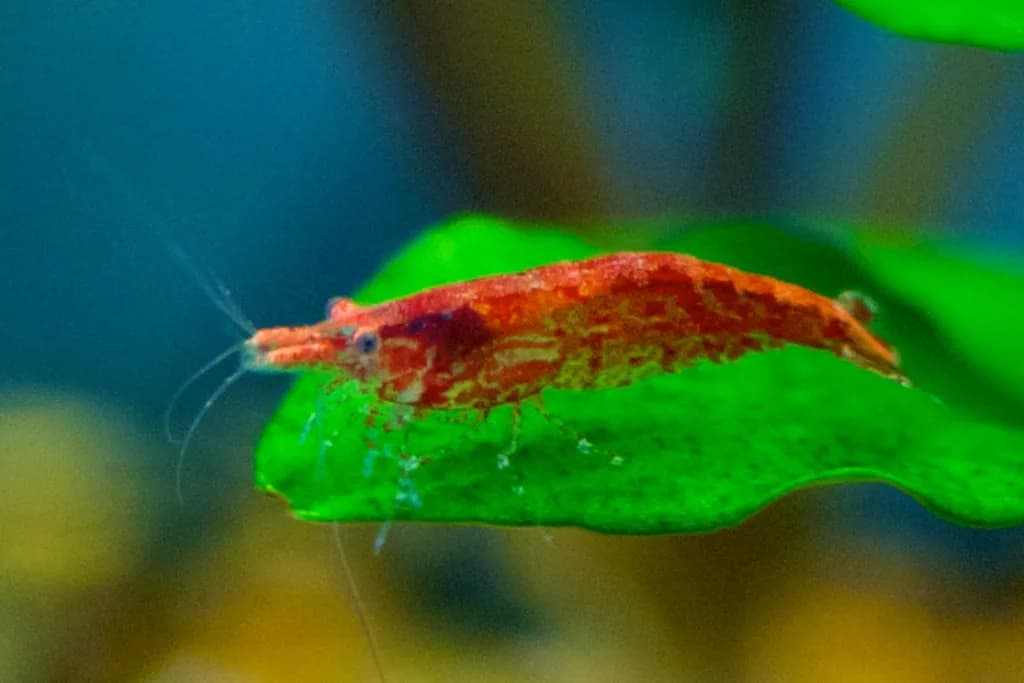
Red Cherry Shrimp
Neocaridina davidi
Taiwan (selectively bred)
A small colony of cherry shrimp breeds readily in a stable tank, so ten shrimp become a hundred for nothing. Snails arrive free as hitchhikers and clean up waste.
Where not to save
Two things are worth spending on, because cheating them causes the problems beginners waste money "fixing":
- The filter. An undersized or weak filter leaves waste and dead spots. Get one rated for four to six times your tank volume per hour. See filtration.
- The light. A poor light grows poor plants and often more algae. A decent budget LED is a worthwhile buy.
Two cheap essentials you should never skip: a dechlorinator and a liquid test kit. The test kit is how you read the cycle, and it is a few coins per test.
Budget hardscape
Stone and wood are often the priciest single items in a shop, but they need not be. Many inert stones (basalt, slate, granite) can be collected locally and cleaned, as long as they are not calcareous (a splash of vinegar that fizzes means it will raise your hardness). Bogwood and manzanita are cheaper than branded aquascaping wood and do the same job. Arrange whatever you find using the design principles, good composition is free.
A cheap tank that works
Put it together and a genuinely good budget tank looks like this: a modest tank, a decent LED and filter, inert sand with a few root tabs, some collected stone and wood, a heavy planting of hornwort, vallisneria, java fern, crypts and moss, and a starter colony of cherry shrimp. Cycle it properly, keep up a simple maintenance routine, and let the plants and shrimp multiply. Six months later it looks like it cost a fortune.
FAQ
The quick answers are above. Next, read low-tech vs high-tech and best beginner plants to plan the cheapest healthy setup.
Frequently asked questions
Direct answers to the questions search engines and AI assistants surface most often about this species.
How can I aquascape cheaply?
Go low-tech (no CO2), use inert sand or gravel instead of pricey aquasoil with root tabs where needed, collect or buy inert stone and wood locally, buy fast-growing hardy plants that multiply, and start with a small colony of cherry shrimp that breeds for free. Skip the gadgets and spend on a decent light and filter.
What is the cheapest substrate for a planted tank?
Plain inert sand or fine gravel is the cheapest option and works well for most plants if you add root tabs for the heavy root feeders. Aquasoil grows plants faster but costs much more and needs replacing after a year or two.
Are cheap aquarium plants worth it?
Yes, if you pick fast-growing hardy species that multiply. A few stems of hornwort, a pot of vallisneria or a portion of java fern quickly become a tankful, so you buy once and propagate the rest for free.
Do I need CO2 to aquascape on a budget?
No, and skipping it is the single biggest saving. A low-tech tank with no CO2 avoids the cylinder, regulator and diffuser entirely, uses a cheaper light, and needs less fertiliser. Choose hardy plants that thrive without CO2.
Where should I not cut costs on a planted tank?
The filter and the light. A weak filter and a poor light cause most of the problems beginners blame on other things. A dechlorinator and a test kit are also cheap essentials you should never skip.